The Chinese pear Plant Advantage: Maximizing Home and Office Appeal and Wellness
1
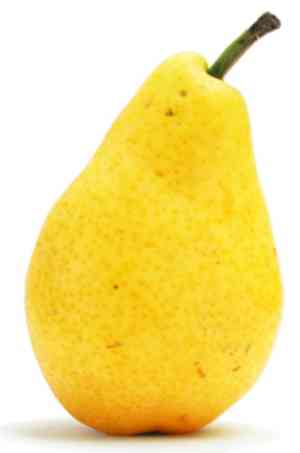
The Chinese pear is recognized for its rich nutritional value, promoting general well-being.
2
This species adapts well to diverse weather conditions, offering flexibility across different areas.
3
The fruit of the Chinese pear possesses a distinct taste and consistency, making it a favored ingredient in cooking.
What Are the Nutritional Benefits of Chinese pear?
Rich in Vitamins and Minerals
A primary advantage of Chinese pear is its elevated nutritional content. This fruit is particularly abundant in vitamins such as C and K, vital for a robust immune system and proper blood function. Furthermore, Chinese pear contains key minerals like potassium and magnesium, which aid in supporting cardiovascular health and muscle performance.
Packed with Antioxidants
Chinese pear is also replete with antioxidants, which play a critical role in combating free radicals within the body. These antioxidants, including polyphenols, can help diminish oxidative stress and inflammation, fostering overall health and potentially lowering the risk of chronic illnesses. Incorporating Chinese pear into your diet can thus contribute to long-term well-being.
Fiber Content and Digestive Health
The high fiber content in Chinese pear fruit is another significant advantage. Dietary fiber is crucial for maintaining good digestive health, as it assists in regular bowel movements and prevents constipation. Moreover, fiber helps in weight management by promoting a feeling of fullness for extended periods, thereby discouraging overeating.
How Can Chinese pear Be Used in Cooking?
Delicious Raw or Cooked
The fruit of Chinese pear possesses a distinct flavor and crisp texture that can be savored both uncooked and prepared. It's frequently utilized in salads to add a sweet crunch or can be cooked into various savory dishes. The adaptability of this fruit makes it a staple in many kitchens.
Perfect for Desserts
Chinese pear is also excellent for sweet dishes. It can be baked, poached, or transformed into jam. Its inherent sweetness and aromatic flavor make it a fantastic component for pies, tarts, and other sugary treats. Whether you're a professional chef or a home cook, integrating Chinese pear into your desserts can elevate your culinary creations.
What Are the Benefits for Gardeners?
Easy to Grow
Chinese pear is recognized for its resilience and capacity to flourish in diverse climates. It exhibits resistance to many common plant diseases and pests, making it relatively simple to cultivate. For gardeners, especially novices, Chinese pear offers a low-maintenance option that can yield a gratifying harvest.
Enhances Biodiversity
Cultivating Chinese pear can also boost the biodiversity of your garden. It attracts pollinators like bees, which are essential for ecosystem health. Additionally, its presence can help improve soil quality over time, leading to more sustainable gardening practices.
What Are the Environmental Benefits of Chinese pear?
Erosion Control
Chinese pear is effective in preventing soil erosion due to its robust root system. When planted along slopes or areas prone to erosion, it can help stabilize the soil, reducing the risk of landslides and soil degradation.
Carbon Sequestration
Like many other trees, Chinese pear contributes to carbon sequestration. It absorbs carbon dioxide from the atmosphere, helping to mitigate the effects of climate change. This makes it an environmentally sound choice for both urban and rural landscapes.
How to Cultivate and Care for Chinese pear?
Planting Tips
For successful growth, it's crucial to plant Chinese pear in well-drained soil and in an area that receives ample sunlight. While it adapts to various climates, providing optimal conditions will help maximize its growth and fruit yield.
Watering and Pruning
Consistent watering is vital during the initial years after planting. Once established, Chinese pear is relatively drought-tolerant. Pruning should be performed annually to remove any dead or diseased branches, encouraging healthier growth and improved fruit production.



