Enhancing Your Garden Design with the Chinese pear Plant: A Landscaping Guide
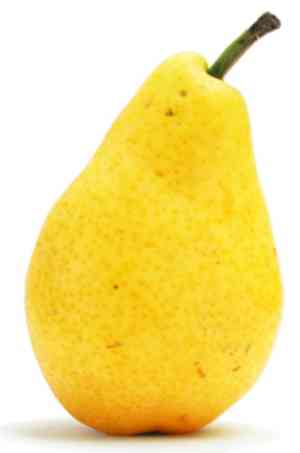
1
Incorporating Chinese pear can greatly improve your garden's visual appeal.
2
Chinese pear needs a brightly lit spot with plenty of sun to thrive best.
3
Consistent seasonal maintenance, like trimming, is crucial for Chinese pear's well-being.
Introducing Chinese Pear for Garden Design
Why opt for Chinese pear in your landscape?
When evaluating new flora for your outdoor projects, Chinese pear emerges as a prime selection. It offers versatility and resilience, adding a distinctive flair to any garden. Its ability to withstand diverse weather conditions makes it a reliable choice for both novice and seasoned gardeners. The hardy nature of Chinese pear ensures it can flourish in various settings, providing years of beauty and enjoyment.
The visual charm of Chinese pear
A key reason gardeners are drawn to Chinese pear is its undeniable aesthetic appeal. Its lush foliage combined with delicate blooms creates a stunning addition to any garden. In spring, Chinese pear produces exquisite flowers that introduce a burst of color and sophistication to the landscape. As seasons change, the leaves transform, displaying a spectrum of hues that enhance the visual interest and allure of your yard.
Choosing the Ideal Spot for Chinese Pear
Understanding light requirements
For optimal development, Chinese pear needs a location that receives ample sunlight. While it can endure partial shade, full sun exposure ensures it remains healthy and vibrant. Placing Chinese pear in a spot that gets at least 6 hours of direct sunlight daily will help it achieve its full potential, promoting vigorous growth and a profuse display of flowers.
Soil preferences for peak growth
Chinese pear thrives in well-drained, loamy soil rich in organic matter. Ensuring the soil maintains a good balance of moisture retention and drainage is vital for its health. It's also beneficial to amend the soil with compost or organic fertilizers periodically to supply essential nutrients. Regularly checking soil pH levels and maintaining a slightly acidic to neutral range can further support Chinese pear's growth and productivity.
Integrating Chinese Pear into Garden Layouts
How to use Chinese pear as a central feature?
To create striking visual impact, Chinese pear can serve as a focal point in your garden design. Plant it in prominent locations where its beauty can be fully appreciated. Whether it's anchoring a garden bed or standing proudly at your property's entrance, Chinese pear attracts attention and acts as a natural centerpiece. Incorporating landscape lighting can further highlight its features during evening hours, extending its visual impact beyond daylight.
Companion plants for Chinese pear
Selecting companion plants to pair with Chinese pear enhances the overall aesthetic and ensures a harmonious garden environment. Consider using perennials and shrubs that thrive under similar conditions. Hostas, ferns, and ornamental grasses are excellent options that can create layered textures and a cohesive look. Mixing different heights and colors will amplify visual interest and ensure Chinese pear remains the highlight of your landscape.
Seasonal Care and Upkeep
Seasonal trimming advice
Regular pruning is essential for maintaining the shape and health of Chinese pear. During late winter or early spring, remove any dead or diseased branches to encourage new growth. Thinning out crowded areas also allows for better air circulation and sunlight penetration, reducing disease risk. Monitor the overall shape, ensuring it remains balanced and aesthetically pleasing throughout the growing season.
Protecting Chinese pear from pests
While Chinese pear is relatively resistant to many pests, it is not immune. Regularly inspecting the plant for signs of infestations such as aphids, caterpillars, or scale insects can prevent potential issues. Applying neem oil or horticultural soaps as a treatment can help control these pests naturally. Maintaining garden hygiene by clearing fallen leaves and debris also reduces the risk of pest problems, keeping Chinese pear healthy and vibrant.
FAQs About Using Chinese Pear in Landscaping
Can Chinese pear flourish in colder climates?
Yes, Chinese pear is well-suited to colder climates. It is naturally adapted to withstand harsh winter conditions, making it a reliable choice for gardeners in cooler regions. Proper mulching at the base during fall can help insulate the roots and provide added protection against extreme cold, ensuring the plant's longevity.
How long does Chinese pear take to fully develop?
The maturation period for Chinese pear varies, typically taking between 4 to 6 years to reach full maturity. During this period, consistent care and maintenance are essential to support healthy growth. Once mature, Chinese pear will provide a stunning display of flowers and robust foliage, marking its place as a staple in your garden.



