How to Transplant Bethlehem lungwort?
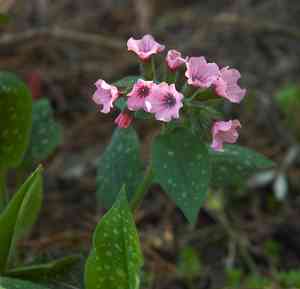
For bethlehem lungwort, the ideal time for relocation is the mild period following spring, allowing roots to firmly establish prior to the onset of winter. Select a shaded spot featuring damp earth. If separating, confirm that each cluster possesses multiple sprouts for effective regrowth.
What Preparations are Needed Before Transplanting Bethlehem Lungwort?
What is the Ideal Time for Transplanting Bethlehem Lungwort?
The perfect time for moving bethlehem lungwort is during the lush period of late spring, after the last frost. This timing allows bethlehem lungwort to establish roots in mild temperatures, promoting strong development. Relocating bethlehem lungwort then takes advantage of the season's gentle warmth and consistent moisture, which supports vigorous root growth without the stress of summer heat. A helpful tip: transplanting bethlehem lungwort in this season sets the stage for a flourishing display in your garden!
How Much Space Should You Leave Between Bethlehem Lungwort Plants?
For bethlehem lungwort, aim to provide ample room for growth. A good guideline is to allow 1-1.5 feet (30-45 cm) between each plant. This gives them space to spread out and prevents competition for resources.
What is the Best Soil Mix for Bethlehem Lungwort Transplanting?
Ensure your soil is well-prepared for bethlehem lungwort. It thrives in a loamy, fertile soil type with good drainage. Incorporating a base fertilizer or organic compost mix can provide a significant boost and encourage healthy development.
Where Should You Relocate Your Bethlehem Lungwort?
Bethlehem lungwort prefers filtered sunlight or partial shade. Avoid areas with full exposure or intense sun, which could dry out your plant. Instead, select a spot beneath a tree or on the shaded side of your home for optimal results.
What Equipments Should You Prepare Before Transplantation Bethlehem Lungwort?
Gardening Gloves
To safeguard your hands while handling the bethlehem lungwort.
Shovel or Spade
For excavating holes and lifting the plant.
Watering Can
To hydrate the plant during the relocation process.
Garden Trowel
Useful for careful digging around the plant.
Gardening Pruner
To remove any damaged or dead sections of the bethlehem lungwort.
Wheelbarrow
To safely move the plant to its new position.
Mulch
To create a protective layer around the plant after transplanting.
How Do You Remove Bethlehem Lungwort from the Soil?
How Do You Remove Bethlehem Lungwort from the Soil?
From Ground: Begin by thoroughly watering the bethlehem lungwort the day before transplanting to minimize shock. Carefully dig a wide trench around the plant using a shovel or spade, striving to keep as much of the root ball intact as possible. Gently work the spade under the root ball to loosen the plant.From Pot: Water the bethlehem lungwort and gently squeeze or tap the pot's sides to release the plant. Avoid pulling on the stem or leaves.From Seedling Tray: Moisten the seedling tray, then use a garden trowel or spoon to carefully scoop out the bethlehem lungwort, ensuring you retrieve as many roots as possible. Handle the bethlehem lungwort by its leaves or root ball only, not the stem.
Step-by-Step Guide for Transplanting Bethlehem Lungwort
Hole Digging
Excavate a hole that is twice the width and the same depth as the root ball of the bethlehem lungwort.
Positioning
Place the bethlehem lungwort in the center of the hole, ensuring the top of the root ball is level with the soil surface.
Backfilling
Gently return soil around the roots, firming it lightly as you go to prevent air pockets.
Watering
Provide the bethlehem lungwort with a generous amount of water immediately after transplanting, ensuring the soil is thoroughly moistened. Avoid watering directly onto the foliage.
Mulching
Spread a layer of mulch around the base of the bethlehem lungwort, leaving some space around the stem. This will help retain soil moisture and suppress weeds.
How Do You Care For Bethlehem Lungwort After Transplanting?
Trimming
Cut back approximately one-third of the bethlehem lungwort after transplanting to reduce water loss through evaporation.
Watering
Water the bethlehem lungwort regularly without saturating the soil until it becomes established in its new location.
Monitoring
Closely observe the bethlehem lungwort for any signs of stress such as wilting, yellowing leaves, or disease and address them promptly.
Protection
Shield it from strong winds and intense midday sun for the initial couple of weeks post-transplant.
Mulching
Periodically check the mulch layer and replenish as needed to maintain optimal moisture and temperature levels.
Troubleshooting Common Issues with Bethlehem Lungwort Transplantation.
When is the best time to transplant bethlehem lungwort?
The optimal season for this is the third quarter of the year. It's when bethlehem lungwort has the highest likelihood of survival and growth.
What is the proper spacing for bethlehem lungwort?
Bethlehem lungwort plants should be transplanted with a separation of 1-1.5 feet (30.5 - 45.7 cm), providing them sufficient room to grow without competing for resources.
How to prepare the soil for transplanting bethlehem lungwort?
Prepare well-draining soil rich in organic matter. Dig a hole twice the size of the root ball and enrich it with compost or aged manure.
How deep should I plant the bethlehem lungwort?
The depth should match its prior growing conditions. Dig a hole deep enough to accommodate the root ball. The top should be flush with the ground surface.
What should I do if my transplanted bethlehem lungwort is wilting?
If your recently transplanted bethlehem lungwort is drooping, it might be experiencing transplant shock. Water the plant thoroughly, protect it from harsh sun, and avoid fertilizer until it recovers.
What aftercare does bethlehem lungwort need after transplantation?
Water bethlehem lungwort consistently for the first few weeks after planting. Begin with a mild liquid feed after 2 weeks, and mulch to retain moisture and deter weeds.
Can I transplant bethlehem lungwort in a pot or container?
Yes, bethlehem lungwort thrives in both gardens and containers. Ensure your container is sufficiently deep and wide, and has drainage holes to prevent waterlogging.
How to handle root-bound bethlehem lungwort during transplantation?
Address root-bound bethlehem lungwort by gently separating the roots with your fingers before planting. This encourages them to spread and grow in their new location.
Can I transplant bethlehem lungwort in a shaded area?
Bethlehem lungwort grows best in partial shade. However, it can also tolerate full shade. Choose a spot where it will receive morning sun and afternoon shade.
What's the watering regime for newly transplanted bethlehem lungwort?
Water bethlehem lungwort thoroughly immediately after transplanting. Then, maintain consistent moisture, typically meaning watering once a week, unless there's significant rainfall.



