How to Prune Bethlehem lungwort?
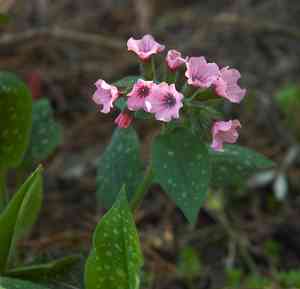
A perennial herb that thrives in shaded environments, bethlehem lungwort is recognized for its variegated leaves and groupings of pink and blue blossoms. To sustain its vitality and look, promptly snip off faded blooms, which encourages a subsequent flowering. After the blooming period, trim back the foliage to stimulate new development. Trimming is advantageous at any point since bethlehem lungwort demonstrates hardiness, but late winter or early spring is optimal for removing older leaves before new shoots appear. This method helps prevent illnesses and fosters a neat structure, improving the garden's visual appeal.
What Are the Benefits of Pruning Bethlehem Lungwort?
What Are the Benefits of Pruning Bethlehem Lungwort?
Trimming bethlehem lungwort promotes abundant flowering, stimulates vigorous development, and preserves its attractive shape. Routine cutting after blooming can prevent self-seeding and revitalize the plant's foliage.
What Is the Best Time for Pruning Bethlehem Lungwort?
What Is the Best Time for Pruning Bethlehem Lungwort?
Pruning bethlehem lungwort right after its blooming phase in late spring allows for the removal of faded flowers to encourage a tidier look and potentially a second, albeit less profuse, bloom. Avoiding pruning in autumn and winter ensures that bethlehem lungwort can retain its leaves, which offer winter interest and ground cover. Pruning throughout the year is not recommended as it can stress the plant and diminish its vitality, especially if new growth is cut before it can mature. Pruning during active growth in early spring can also remove developing flower buds, reducing the plant's floral display. Therefore, timing the pruning immediately after the spring flowering aligns the gardener's actions with the natural growth cycle of bethlehem lungwort, ensuring its health and optimal performance.
What Tools Do I Need to Prune Bethlehem Lungwort?
Hand Pruners
Perfect for precise cutting of individual stems, enabling careful removal of old or dead foliage without harming healthy parts of bethlehem lungwort.
Bypass Pruners
These curved-blade tools create clean cuts that facilitate better healing, suitable for bethlehem lungwort's delicate stems.
Thinning Shears
Useful for shaping and reducing the density of bethlehem lungwort's growth without causing undue stress to the plant.
Gardening Gloves
To shield the gardener's hands from scrapes and ensure a secure grip on the tools during the pruning process.
Pruning Saw
For larger, woody stems, if bethlehem lungwort is mature and has developed thick stems that hand pruners cannot manage; however, this is less common for bethlehem lungwort.
How to Prune Bethlehem Lungwort
Cleanup
Remove all diseased leaves from bethlehem lungwort by carefully cutting them at the base with sanitized pruning shears to prevent disease spread.
Refresh
Cut back withered leaves and spent flowers to the crown of bethlehem lungwort to stimulate new growth and enhance air circulation.
Maintenance
Identify and remove dead or diseased branches by cutting them back to the base or to a healthy set of leaves, ensuring cuts are clean and angled to promote healing.
Grooming
Thin out the center of bethlehem lungwort if necessary to improve light penetration and air flow, taking care not to remove more than one-third of the plant at a time.
Shape
Trim back any overgrown areas to maintain the desired shape and size of bethlehem lungwort, ensuring the overall structure is balanced and aesthetically pleasing.
Common Pruning Mistakes with Bethlehem Lungwort
Overpruning
Removing too much foliage or too many leaves can stress bethlehem lungwort and hinder its growth, potentially reducing its vigor and bloom production.
Pruning Too Early
Cutting back bethlehem lungwort too early in the season can remove the protective foliage that shields the crown from late frosts and can also lead to loss of early blooms.
Improper Tool Use
Using dull or dirty pruning tools can damage the stems of bethlehem lungwort, leading to jagged cuts that are more susceptible to disease entry.
Neglecting Deadheading
Failing to remove spent flowers from bethlehem lungwort can result in reduced flowering, as the plant expends energy on seed production rather than on new blooms.
Pruning Too Late
Pruning bethlehem lungwort after new growth has started can delay the onset of flowering and disturb the plant’s natural growing cycle.
Ignoring Plant Shape
Random or uneven cutting without considering the desired shape of bethlehem lungwort can lead to an aesthetically unpleasing plant and may affect future growth patterns.
Common Pruning Tips for Bethlehem Lungwort
Clean Cuts
Make sure to use sharp, clean pruning shears to make clean cuts on bethlehem lungwort that heal quickly, minimizing the risk of disease.
Post-Flowering Pruning
After the main flowering period, prune bethlehem lungwort to maintain its shape and encourage a second flush of blooms.
Deadheading
Regularly remove spent blooms from bethlehem lungwort to encourage continuous flowering and prevent the plant from putting energy into seed production.
Thin Out Old Growth
Selectively thin out older, overgrown stems to improve air circulation and light penetration within bethlehem lungwort, which promotes healthy new growth.
Maintain Plant Size
Prune bethlehem lungwort to control its size and spread in the garden, ensuring that it does not overshadow neighboring plants and maintains its natural form.
Protect Crown:
While pruning, be careful not to damage the crown of bethlehem lungwort as this can lead to rot and other issues that weaken the plant.



