The Bethlehem lungwort Plant Advantage: Maximizing Home and Office Appeal and Wellness
1
Bethlehem lungwort serves as a superb groundcover, flourishing in areas with partial to complete shade.
2
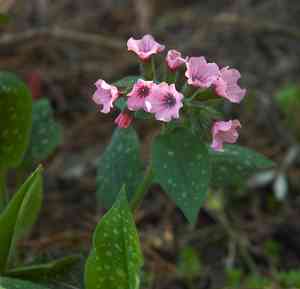
Bethlehem lungwort features ornamental leaves adorned with appealing spots, enriching the garden's aesthetic.
3
This plant draws in helpful pollinators such as bees, thereby boosting the garden's ecological variety.
What Makes Bethlehem lungwort Unique?
Distinctive Foliage and Flowers
Bethlehem lungwort is renowned for its singular leaves and lovely blossoms. Its foliage often displays silver or white spots, creating a mottled appearance that brightens garden areas even in the deepest shade. In spring, the plant produces clusters of bell-shaped flowers in pink, blue, and purple hues, adding vivid color to the landscape.
Shade Tolerance
A key characteristic of Bethlehem lungwort is its capacity to flourish in low-light environments. This makes it an excellent option for shaded garden spots where many other plants would struggle. Whether situated beneath trees, along north-facing walls, or in other dimly lit areas, Bethlehem lungwort enlivens the space with vitality and color.
Benefits of Growing Bethlehem lungwort in Your Garden
Groundcover and Erosion Control
Bethlehem lungwort serves as an outstanding groundcover, forming a lush, dense mat that effectively covers bare soil. This aids in preventing soil erosion, particularly on slopes or sloped garden sections. The plantâs extensive root system binds the soil, minimizing washout risks during heavy rainfall.
Biodiversity Support
Bethlehem lungwort attracts a diverse range of pollinators, including bees and butterflies, with its vibrant flowers. By cultivating this plant, you can help sustain and enhance the biodiversity in your garden. Pollinators not only contribute to your ecosystem's health but also assist in the propagation of other plants by spreading pollen.
Practical Uses Beyond the Garden
Decorative Uses
Beyond its garden advantages, Bethlehem lungwort is also valued for its ornamental qualities. Its appealing foliage and flowers make it a popular choice for floral arrangements and as potted accents on patios and balconies. Its ability to thrive in partial shade makes it adaptable for various indoor and outdoor decorative purposes.
Drought Resistance
Although Bethlehem lungwort prefers moist conditions, it exhibits relative drought resistance once established. This makes it a low-maintenance plant, suitable for gardeners who may lack the time or resources for frequent watering. Its capacity to recover with minimal care further highlights its usefulness and resilience.
How to Grow and Care for Bethlehem lungwort
Planting Location and Soil Requirements
Bethlehem lungwort thrives in well-drained soil rich in organic matter. When planting, ensure you select a location that receives partial to full shade to emulate its natural habitat. Amending the soil with compost can help establish a robust foundation for the plant.
Watering and Maintenance
During the initial growth phase, keep the soil consistently moist but not waterlogged. Once established, Bethlehem lungwort requires less frequent irrigation. Prune any dead or damaged leaves to encourage healthy growth and prevent disease. Mulching around the base can help retain soil moisture and regulate temperature.
Common Pests and Diseases of Bethlehem lungwort
Identifying and Managing Pests
Common pests that may affect Bethlehem lungwort include aphids and slugs. Regularly inspecting the plant and employing natural pest control methods, such as neem oil or introducing beneficial insects, can help manage these issues effectively.
Disease Prevention
Bethlehem lungwort can sometimes be susceptible to powdery mildew and rust. Ensuring good air circulation and avoiding overhead watering can help prevent fungal infections. If disease appears, remove affected leaves promptly and consider using organic fungicides.



