Enhancing Your Garden Design with the Bethlehem lungwort Plant: A Landscaping Guide
1
Bethlehem lungwort flourishes optimally in locations with partial shade and soil that drains effectively.
2
Bethlehem lungwort provides continuous appeal throughout the year due to its distinct changes in leaf appearance with the seasons.
3
Incorporating Bethlehem lungwort alongside other plants can improve the visual appeal of your garden space.
Understanding the Growth Characteristics of Bethlehem lungwort
Growth habit and pattern of Bethlehem lungwort
Grasping the growth habit and pattern of Bethlehem lungwort is crucial for effectively incorporating this plant into your garden scheme. Bethlehem lungwort typically forms a mounding or clumping shape, reaching heights of about 12 to 18 inches. Its broad, speckled leaves create a dense ground cover that can fill empty areas in your garden. This plant's growth pattern is especially beneficial for adding texture and depth to garden beds, making it a versatile choice for many landscape designs.
Seasonal changes and their impact on Bethlehem lungwort's appearance
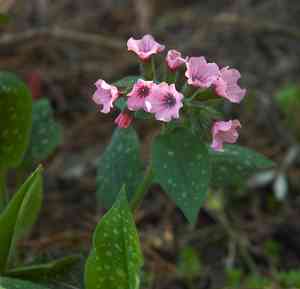
One of the distinctive features of Bethlehem lungwort is its remarkable seasonal transformations. In early spring, Bethlehem lungwort produces clusters of small, vibrant flowers that can range from pink to blue. As the seasons progress, its foliage becomes the main attraction, with leaves that often display a speckled or mottled appearance, adding an extra layer of visual interest throughout the year. By understanding these seasonal transitions, you can plan your garden to ensure that Bethlehem lungwort contributes to your landscape's beauty across various seasons.
Choosing the Ideal Location for Bethlehem lungwort in Your Garden
Light requirements and optimal exposure for Bethlehem lungwort
Bethlehem lungwort thrives in partially shaded to fully shaded environments. It is crucial to avoid placing Bethlehem lungwort in direct sunlight, as excessive exposure can cause the leaves to scorch and diminish their vibrant coloration. An ideal spot for Bethlehem lungwort would be under the canopy of taller trees or alongside a shaded garden path, where it can receive dappled sunlight. This positioning will help maintain the plant's health and enhance its natural beauty.
Soil preferences and drainage needs
Bethlehem lungwort prefers rich, well-drained soil with a slightly acidic to neutral pH. Ensuring proper drainage is crucial, as waterlogged soil can lead to root rot and other health issues. Enhancing soil quality by incorporating organic matter, such as compost or peat moss, can improve drainage and provide essential nutrients. By meeting these soil requirements, you can create an optimal environment for Bethlehem lungwort to flourish in your garden.
Companion Planting with Bethlehem lungwort
Beneficial plant partners for Bethlehem lungwort
Companion planting can significantly enhance the aesthetic and health of Bethlehem lungwort. Consider pairing Bethlehem lungwort with shade-loving perennials such as hostas, ferns, and astilbes. These plants not only share similar environmental preferences but also complement Bethlehem lungwort's foliage and color palette, creating a harmonious blend. Moreover, planting Bethlehem lungwort alongside early-blooming bulbs can provide a synchronized display of colors, adding to the visual appeal of your garden.
Plants to avoid placing near Bethlehem lungwort
While Bethlehem lungwort is compatible with many garden plants, some should be avoided due to their differing care requirements or potential to overshadow Bethlehem lungwort. For instance, tall, aggressive growers like bamboo or certain ornamental grasses can dominate the space, depriving Bethlehem lungwort of necessary nutrients and light. Similarly, plants that demand full sun or excessively dry conditions aren't ideal companions, as their vastly different needs might compromise the health of Bethlehem lungwort.
Maintaining the Aesthetic Appeal of Bethlehem lungwort
Practical tips for keeping Bethlehem lungwort vibrant and healthy-looking
To keep Bethlehem lungwort looking vibrant and healthy throughout the growing season, regular care practices are necessary. Ensure consistent moisture by watering during dry spells but avoid overwatering. Applying a layer of mulch around the base can help retain moisture and suppress weeds. Additionally, feeding Bethlehem lungwort with a balanced, slow-release fertilizer in early spring can promote vigorous growth and enhance its foliage color and flower production.
Seasonal grooming and care practices
Seasonal grooming is important to maintain the attractiveness of Bethlehem lungwort. In early spring, remove any dead or damaged leaves to encourage new growth. After the flowering season, you can prune spent flower stems to tidy up the plant's appearance. In fall, a light cutback of the foliage can prepare Bethlehem lungwort for winter dormancy, while also promoting a neat garden bed. Implementing these grooming practices ensures that Bethlehem lungwort remains an eye-catching feature in your landscape year-round.
Integrating Bethlehem lungwort into Various Landscape Styles
How Bethlehem lungwort complements formal landscapes
Bethlehem lungwort can be an excellent addition to formal landscapes due to its structured growth habit and visually appealing foliage. It can be used to line pathways or create defined borders in a formal garden setting. The plant's neat, clumping form adds order and symmetry, essential elements in formal landscape designs. Additionally, its seasonal flowers can provide a pop of color in meticulously planned garden beds, enhancing the overall elegance of formal arrangements.
Incorporating Bethlehem lungwort into casual or natural garden designs
In more casual or natural garden designs, Bethlehem lungwort can serve as a versatile ground cover that adds texture and visual interest without overwhelming the landscape. Its adaptable growth pattern allows it to blend seamlessly with other shade-loving plants in woodland or cottage-style gardens. Bethlehem lungwort's varied foliage and seasonal flowers can create a natural, unstructured look that mimics the spontaneity of nature, making it a perfect fit for informal garden settings.



