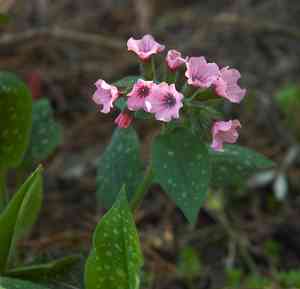
Bethlehem lungwort (Pulmonaria saccharata)
Also known as: Bethlehem Sage, Lungwort
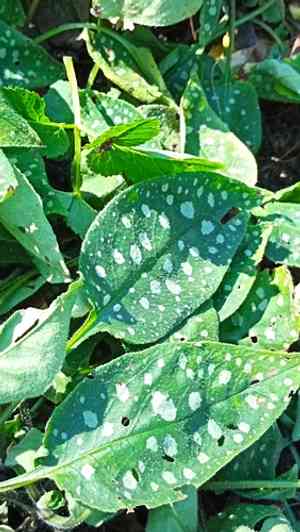
Bethlehem lungwort (Pulmonaria saccharata) is a slow-spreading ground cover known for its eye-catching leaves adorned with striking white spots on a deep green background. The name "Pulmonaria saccharata" derives from the Latin words "pulmo" (lung) and "saccharatus" (sugary), alluding to the sugar-dusted appearance of its leaves. This plant flourishes in shade gardens with moist, well-draining soil rich in organic matter.
In This Article
Attributes of Bethlehem lungwort
Lifespan
Perennial
Plant Type
Herb
Plant Height
30 cm
Spread
30 cm
Leaf Color
Green Silver
Flower Size
1-2 cm
Flower Color
Pink Blue White Purple Red
Images of Bethlehem lungwort
Quickly Identify Bethlehem lungwort
1
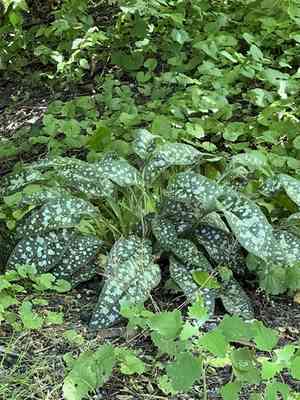
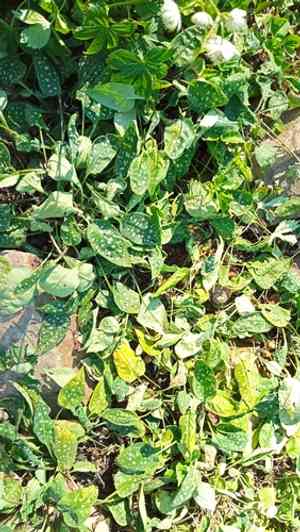
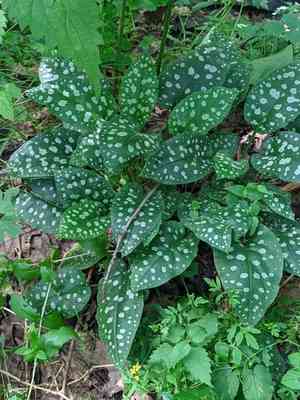
Oversized fuzzy leaves with prominent silver spots in rosette formation.
2
Clusters of bell-shaped blooms transitioning from pink to blue, measuring 0.5 inches (1.3 cm) across.
3
Basal foliage forming a lush ground cover with erect stems up to 12 inches (30 cm) tall.
Scientific Classification of Bethlehem lungwort
Phylum
Vascular plants
Class
Dicotyledons
Order
Boraginales
Family
Borage
Genus
Lungworts
Species
Bethlehem lungwort
Planting and Growing of Bethlehem lungwort
Care Difficulty
Easy
Watering Schedule
Every 8 days
Sunlight Requirements
Partial sun
Sunshine Duration
6-10 hours
Ideal Temperature
60-70℉
Soil Type
Potting Mix, Peat Mix
Soil pH
6.5-7.5
Fertilizer Type
Balanced
Pruning Season
Spring, Summer
Pruning Area
Branches, Leaves
Pruning Frequency
2 times a year
Repotting Season
Spring
Pot Type
Plastic, Ceramic
 How to Water Bethlehem lungwort?
For Pulmonaria saccharata, ensure the soil is kept consistently moist but not waterlogged. Each watering session should aim to provide around 250 ml of water to the plant, distributed evenly across the root zone. This ensures moisture reaches the deeper roots while preventing water from pooling on the surface.
What are the symptoms of an underwatered Bethlehem lungwort?
›
What should I do if my Bethlehem lungwort is not getting enough water?
›
What are the symptoms of an overwatered Bethlehem lungwort?
›
How to save an overwatered Bethlehem lungwort?
›
 What Are the Sunlight Requirements for Bethlehem lungwort?
Partial sun or full shade best suits Pulmonaria saccharata, enhancing its capacity for lush growth and beautiful blooms without the risk of sunburn.
More About Sunlight Requirements Techniques→
How many hours of sunlight are ideal?
›
What are some solutions to achieve ideal lighting?
›
What are the benefits of providing ideal light conditions?
›
 What Is the Ideal Temperature Range for Bethlehem lungwort?
Pulmonaria saccharata, commonly known as lungwort, thrives best in temperatures between 60°F and 70°F. Within this range, the plant can photosynthesize efficiently and maintain its vibrant foliage and blooms. Maintaining this temperature ensures that the plant remains healthy and less susceptible to diseases.
 What Soil is Best for Bethlehem lungwort?
Pulmonaria saccharata thrives in well-draining soil that prevents waterlogging. This type of soil ensures that the roots have access to oxygen, promoting healthy growth and preventing root rot. The plant prefers soil rich in organic matter, which supports robust foliage and flower production. The nutrients provided by organic matter are crucial for the plant's energy needs during blooming. While drainage is essential, the soil should also retain enough moisture to keep the plant hydrated. Consistent moisture availability helps Pulmonaria saccharata maintain its vibrant leaf patterns and blooms.
 How to Fertilize Bethlehem lungwort?
Pulmonaria saccharata, commonly known as Bethlehem Sage, benefits from a balanced fertilizer to maintain its lush foliage and stunning spring flowers. Use a 10-10-10 NPK ratio, applying at a rate of 1/2 cup per plant for granular fertilizers. For liquid fertilizers, dilute according to the package instructions, usually around 1 tablespoon per gallon of water applied to the soil once a month.
 How to Prune Bethlehem lungwort?
Start by removing any dead or damaged leaves, as these can be sites for pests and diseases. Gently remove them to allow for new, healthy growth to flourish, improving the plant's overall appearance. Once the plant has finished flowering, cut back the flowering stems to the base. This step encourages the plant to focus its energy on sending out new leaves and flowers for the coming seasons. After dealing with dead foliage and flower stems, you can lightly trim back the plant to maintain its shape. This keeps Pulmonaria saccharata tidy and prevents it from overgrowing its allotted space in the garden.
More About Pruning Techniques→
 How to Propagate Bethlehem lungwort plant?
1
Begin by collecting seeds from a mature Pulmonaria saccharata plant. Clean the seeds and store them in a dry, cool place until ready to plant. Soak seeds in water for a few hours before sowing to enhance germination.
2
Fill a planting tray with a suitable seed starting mix and evenly distribute the seeds on the surface. Lightly cover the seeds with a thin layer of soil and gently water them to ensure soil contact.
3
In early spring, select a mature Pulmonaria saccharata plant and carefully dig it out of the ground. Use a sharp knife or spade to divide the plant into sections, each with roots and shoots. Replant immediately in prepared soil.
 How to Repot Bethlehem lungwort plant?
1
Pulmonaria saccharata should be repotted when it shows signs of being root-bound, such as roots emerging from the drainage holes or the plant outgrowing its container. Spring or autumn is the best time since these seasons are optimal for its growth.
2
Select a pot that is 1-2 inches larger in diameter than the current one to give roots enough room to grow. Ensure it has adequate drainage to prevent waterlogging, which can harm the root system.
3
Opt for well-draining humus-rich soil. This type of soil retains moisture without becoming waterlogged, supporting the plant’s need for consistent, moderate hydration and nutrient access.



