How to Transplant Red sandalwood?
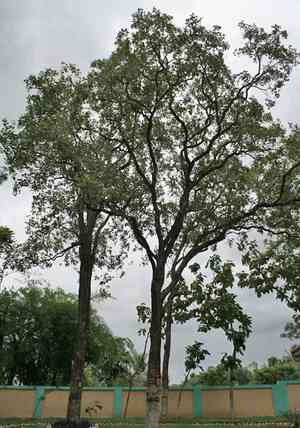
Relocate red sandalwood from late spring to early summer's warmth, allowing them to establish themselves prior to intense heat. Select a bright location featuring soil that drains effectively for robust development. A gentle reminder: exercise caution during handling to avoid harming the roots.
Essential Preparations Before Relocating Red Sandalwood?
Optimal Timing for Red Sandalwood Relocation?
The transition from late spring to early summer is ideal for moving red sandalwood. This timeframe ensures the plant experiences prime growth temperatures after settling, fostering robust root development and minimizing transplant stress. Seize this opportunity for a flourishing red sandalwood!
Recommended Spacing Between Red Sandalwood Plants?
Greetings, fellow gardener! For your red sandalwood, ample room to flourish is key. Aim for a spacing of approximately 15-20 feet, which is roughly 4.5-6 meters. This provides sufficient space for root expansion and prevents competition for vital resources.
Ideal Soil Blend for Red Sandalwood Transplantation?
Let's establish a strong foundation for your red sandalwood! They prefer well-draining soil with a slightly acidic pH. Prior to transplanting, incorporate organic compost to enrich the soil. A slow-release, balanced fertilizer will give your red sandalwood an excellent start in its new environment.
Selecting the New Location for Your Red Sandalwood?
Your red sandalwood thrives in abundant sunlight! Choose a site where it will receive full sun for the majority of the day. This translates to at least 6-8 hours of direct light. However, in exceptionally hot climates, a bit of afternoon shade can be beneficial to prevent scorching.
Equipment Needed Before Transplanting Red Sandalwood?
Shovel
For excavating the planting hole where the red sandalwood will be moved.
Watering Can or Hose
To hydrate the red sandalwood both before and after its relocation.
Wheelbarrow
For transporting the red sandalwood and soil.
Pruning Shears
To trim any damaged roots or branches prior to transplanting.
Gardening Gloves
To safeguard your hands while handling soil and the plant.
Stakes and Ties
For providing support to the red sandalwood post-transplantation if necessary.
Mulch
To aid in retaining soil moisture around the red sandalwood after it's been moved.
Method for Extracting Red Sandalwood from the Soil?
Method for Extracting Red Sandalwood from the Soil?
From Ground: First, water the red sandalwood plant to moisten the soil and lessen plant stress. Dig a wide circle around the plant with a shovel, taking care not to cut any roots. Once the soil around the plant is loose, gently slide the shovel under the root ball and lift the red sandalwood from its original spot.From Pot: Water the red sandalwood in its current container to facilitate removal. Rotate and tap the pot's sides and bottom to loosen the soil. Carefully invert the pot and guide the red sandalwood out, supporting the plant at the base of its stem with your hand.From Seedling Tray: Dampen the soil in the seedling tray to simplify the extraction of the red sandalwood seedlings. Use a small tool or stick to gently lift the seedling from its compartment, ensuring you hold it by the leaves and not the delicate stem.
Step-by-Step Guide for Relocating Red Sandalwood
Excavating the Hole
Dig a hole in the ground that is twice the width and the same depth as the red sandalwood's root ball.
Root Preparation
Examine the red sandalwood's roots and use pruning shears to remove any that are broken or damaged.
Positioning the Plant
Place the red sandalwood in the center of the hole, ensuring it stands upright and at the same depth as its previous location.
Backfilling the Hole
Carefully refill the hole around the root ball with soil, gently firming it down without excessive compaction.
Staking (if needed)
If the red sandalwood is tall or in an exposed area, insert stakes around it and loosely tie the plant to them for support.
Watering
Thoroughly water the red sandalwood after planting to settle the soil and eliminate any air pockets.
Mulching
Apply a layer of mulch around the base of the red sandalwood to help maintain soil moisture and regulate temperature.
Post-Transplantation Care for Red Sandalwood?
Stabilization
Utilize stakes and ties to keep the red sandalwood stable against wind, ensuring the ties are not too tight to prevent stem or branch damage. Adjust as the plant grows and becomes more secure in its new spot. Post-care watering should be deep and less frequent to encourage deep root growth, adjusting based on weather and plant needs. Regular checks for pests, diseases, and overall red sandalwood health will help detect issues early. Replenish mulch as necessary to maintain its benefits.
Addressing Common Issues with Red Sandalwood Transplantation.
Why is my red sandalwood's growth inhibited after relocation?
Stunted growth can stem from root shock or insufficient hydration. Ensure the soil remains consistently moist and minimize stress by transplanting during cooler parts of the day.
What is the optimal period to transplant red sandalwood for best growth?
Relocate red sandalwood during the mild period between late spring and early summer to allow ample time for establishment before colder weather arrives.
What spacing should I use when transplanting red sandalwood?
Space your red sandalwood approximately 15-20 feet (4.5-6 meters) apart. This provides room for growth and proper air circulation, reducing disease risk.
Why are my red sandalwood leaves turning yellow after transplanting?
Yellowing may indicate transplant shock or a watering problem. Keep the soil moist but avoid overwatering. Gently prune damaged leaves to aid recovery.
How deep should the planting hole be for red sandalwood?
The hole should be twice as wide and the same depth as the root ball to allow roots to easily spread and establish.
Should I fertilize red sandalwood immediately after transplanting?
Avoid immediate fertilization; it can harm delicate roots. Wait for red sandalwood to establish for several weeks before applying a balanced, slow-release fertilizer.
Can I transplant red sandalwood in direct sunlight?
Yes, red sandalwood thrives in full sunlight, but transplant during the cooler part of the day to minimize stress and promote successful establishment.
How do I know if red sandalwood is receiving adequate water after transplanting?
The soil should be moist but not waterlogged. Check by feeling the soil a few inches down. It should feel damp to the touch.
What should I do if the roots of red sandalwood are circling the pot?
Gently separate or score the root ball before planting to encourage outward growth and prevent root-bound conditions.
When is it too late in the season to transplant red sandalwood?
Avoid transplanting red sandalwood when temperatures begin to drop in late fall to early winter, as cold can hinder root establishment.



