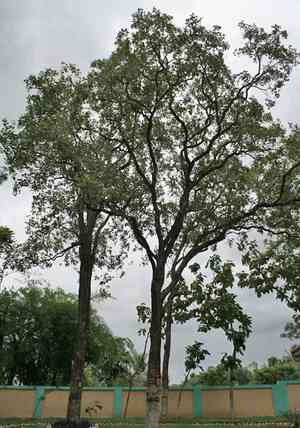
Red sandalwood (Pterocarpus santalinus)
Also known as: Red saunders, Saunderswood, Sandalwood
Red sandalwood (Pterocarpus santalinus), indigenous to India, is renowned for its dense, vibrant red timber. Unlike other types of sandalwood, it lacks a strong fragrance but finds diverse applications. It's particularly esteemed in traditional medicine for potential health benefits like anti-inflammatory and antioxidant effects. The wood's striking color and fine texture make it a favorite in the creation of high-quality furniture, musical instruments, and intricate carvings. Additionally, red sandalwood is utilized in dye production for textiles and artwork, as well as in religious and spiritual practices for various ceremonial objects.
In This Article
Attributes of Red sandalwood
Lifespan
Perennial
Plant Type
Tree, Shrub
Plant Height
8 m
Spread
1.5 m
Leaf Color
Green
Flower Size
0.5-1 cm
Flower Color
Yellow
Images of Red sandalwood
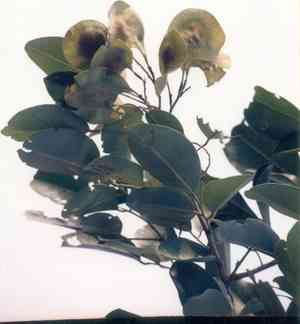
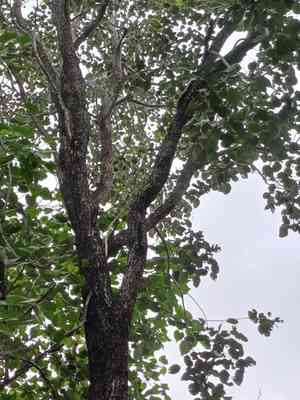
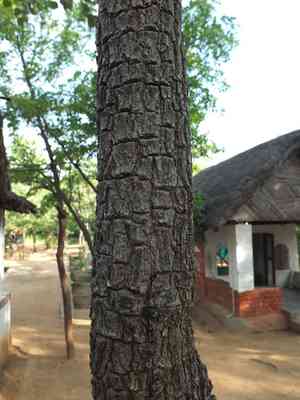
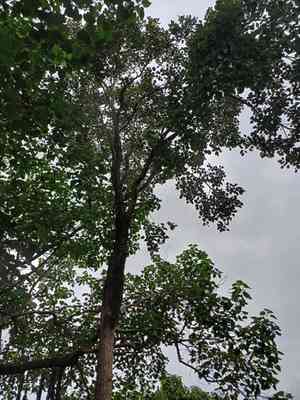
Quickly Identify Red sandalwood
1
This tree is identifiable by its dark grey bark, deep red heartwood, and compound leaves with 3-4 leaflets. The flowers are yellow and appear in small clusters.
Scientific Classification of Red sandalwood
Phylum
Vascular plants
Class
Dicotyledons
Order
Fabales
Family
Legume
Genus
Padauk
Species
Red sandalwood
Planting and Growing of Red sandalwood
Care Difficulty
Hard
Watering Schedule
Every 2 days
Sunlight Requirements
Full sun
Sunshine Duration
4-6 hours
Ideal Temperature
77-86℉
Soil Type
Potting Mix, Peat Mix
Soil pH
6.5-7.5
Fertilizer Type
Balanced
Pruning Season
Spring, Summer
Pruning Area
Branches, Leaves
Pruning Frequency
2 times a year
Repotting Season
Spring
Pot Type
Terracotta, Plastic
 How to Water Red sandalwood?
Pterocarpus santalinus typically requires around 500 milliliters of water per watering session. It's essential to water the plant deeply so that the water reaches the root zone, encouraging strong root growth and overall plant health. The soil should be moist but not waterlogged, ensuring proper drainage to prevent root rot.
What are the symptoms of an underwatered Red sandalwood?
›
What should I do if my Red sandalwood is not getting enough water?
›
What are the symptoms of an overwatered Red sandalwood?
›
How to save an overwatered Red sandalwood?
›
 What Are the Sunlight Requirements for Red sandalwood?
Pterocarpus santalinus thrives in full to partial sun, benefiting from the warmth and light intensity. Ideal lighting promotes robust growth, vibrant foliage, and overall plant vitality, ensuring its decorative and health contributions to its environment.
More About Sunlight Requirements Techniques→
What is the ideal lighting condition for Pterocarpus santalinus?
›
How do I ensure ideal light conditions for Pterocarpus santalinus indoors?
›
What are the benefits of providing ideal light for Pterocarpus santalinus?
›
 What Is the Ideal Temperature Range for Red sandalwood?
The ideal temperature range for Pterocarpus santalinus is between 77°F and 86°F. Within this range, the plant can thrive and exhibit optimal growth rates. Consistently maintaining these temperatures facilitates robust health and effectively supports the plant's metabolic processes.
 What Soil is Best for Red sandalwood?
Pterocarpus santalinus thrives in well-drained soil, preventing root rot and ensuring adequate oxygen reaches the roots. This type of soil condition is vital for sustaining healthy growth and effective nutrient uptake. This species benefits greatly from a nutrient-rich substrate that supplies essential minerals necessary for robust development and vibrant foliage. Ensuring the soil is enriched will promote vigorous growth and increased disease resistance. While drainage is crucial, the soil must also retain some moisture to prevent the plant from drying out. Balancing moisture retention helps maintain consistent hydration during dry spells, bolstering resilience to various environmental conditions.
 How to Fertilize Red sandalwood?
Pterocarpus santalinus typically requires a balanced amount of fertilizer to thrive. Use approximately 2-3 tablespoons of liquid fertilizer diluted in a gallon of water per month. For slow-release fertilization, apply about half to one pound of granulated fertilizer yearly, ensuring even distribution around the base of the plant.
 How to Prune Red sandalwood?
Begin by examining the tree for dead, diseased, or crossing branches. Use clean, sharp pruning shears to remove these limbs at their base. Ensure cuts are made at a 45-degree angle to encourage proper healing. Focus on maintaining a balanced shape and open center to improve air circulation and sunlight penetration. Avoid heavy pruning in a single session to prevent stress on the tree.
More About Pruning Techniques→
 How to Propagate Red sandalwood plant?
1
Start by selecting high-quality seeds and sow them in a prepared seed tray with a suitable growing medium. Ensure they are spaced evenly and cover them lightly with a thin layer of soil.
2
Select healthy branches from the plant and use pruning shears to cut 15-20 cm sections. Remove any leaves from the lower half to expose the nodes for rooting.
3
Dip the cut end of each cutting in rooting hormone and plant it in a pot with prepared soil mix. Ensure the base of the cutting is firmly in contact with the soil.
 How to Repot Red sandalwood plant?
1
Repot Pterocarpus santalinus when you notice roots emerging from the drainage holes or when the soil is compacted and water logged. Another signal is stunted growth despite proper care, indicating the plant needs more room to thrive.
2
Select a pot that is 2-3 inches larger in diameter than the current one to allow room for growth. Ensure it has adequate drainage holes to prevent waterlogged roots, which can lead to root rot. A terracotta pot works well as it also aids in moisture regulation.
3
Opt for a well-draining sandy loam to encourage healthy root systems. This type of soil provides adequate nutrients while allowing excess water to escape easily, reducing the risk of root rot and ensuring your plant remains healthy and vibrant.
Learn More About Red sandalwood Diseases
Anthracnose
Bacterial Leaf Spot
Bacterial Soft Rot
Bacterial Wilt
Chemical Injury
Crown Gall
Cyst Nematode
Damping-off
Drought Stress
Fusarium Wilt
Gray Mold
Leaf Curl
Leaf Spot
Mosaic
Nutrient Deficiency
Nutrient Toxicity
Powdery Mildew
Root Rot
Root-knot Nematode
Rusts
Sooty Mold
Spider Mites
Temperature Stress
Thrips Damage
White Mold



