How to Prune Red sandalwood?
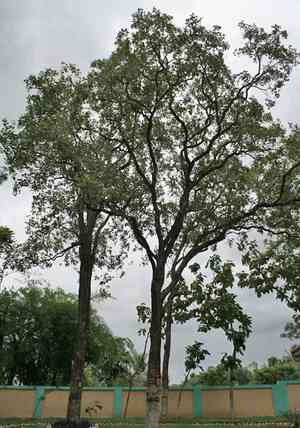
Valued for its precious crimson timber and therapeutic attributes, red sandalwood flourishes with consistent trimming to preserve its form and encourage robust development. Essential pruning methods involve reducing dense branches and eliminating any lifeless, ailing, or compromised wood. The ideal period for these procedures is from late winter to early spring, prior to the emergence of new foliage. Trimming red sandalwood during this inactive phase leads to energetic regeneration and lessens the plant's strain. Improved air movement and sunlight exposure after pruning contribute to the tree's general well-being and yield.
Advantages of Trimming Red Sandalwood
Advantages of Trimming Red Sandalwood
Trimming red sandalwood promotes robust development and maintains the desired plant form. Strategic cutting back stimulates new, healthy branches and foliage, leading to a more resilient red sandalwood. Regular trimming also shapes the canopy, fostering an aesthetically pleasing appearance.
Optimal Period for Trimming Red Sandalwood
Optimal Period for Trimming Red Sandalwood
Trimming or cutting red sandalwood during late winter or early spring is beneficial as the plant is typically dormant during this period. This timing prevents excessive sap loss, which can occur if red sandalwood is pruned during its active growth phase in the warmer months. Late winter pruning prepares red sandalwood for robust spring growth by removing dead or diseased wood, improving air circulation, and shaping the plant. Early spring pruning should be done just before the new growth starts, which allows red sandalwood to heal quickly and channel its energy into producing new, healthy growth structures. Additionally, this timing minimizes the risk of frost damage to new cuts and reduces the likelihood of disease infection, as many pathogens are less active in cooler weather. Pruning during these seasons aligns with red sandalwood's growth cycle and ensures the health and productivity of the plant without interrupting its flowering or fruiting cycles.
Necessary Tools for Trimming Red Sandalwood
Hand Pruners
Essential for making clean cuts on small branches of red sandalwood, hand pruners are ideal for snipping twigs and branches up to 3/4 inches in diameter. Ergonomic and sharp bypass pruners are usually preferred over anvil types for live wood to avoid crushing stems.
Lopping Shears
When red sandalwood branches are too thick for hand pruners, lopping shears provide the necessary leverage. With long handles and a wider cutting capacity of up to 1-1/2 inches, they ensure clean cuts on medium-sized branches.
Pruning Saw
For mature red sandalwood with branches over 1-1/2 inches thick, a pruning saw is the correct tool. Its sharp teeth and ergonomic handle allow for efficient cutting of larger branches without causing undue stress to the plant.
Pole Pruner
Sometimes, red sandalwood's growth may require the pruning of high branches. A pole pruner with a saw attachment can reach branches up to several feet above ground without the use of a ladder.
Pruning Gloves
To protect the gardener's hands from thorns and rough bark, durable pruning gloves are recommended. They provide grip and protection during the pruning process of red sandalwood.
Sharpening Tool
Maintaining the sharpness of the pruning tools is important for clean cuts and plant health. A sharpening tool should be used regularly to keep the blades in good condition for pruning red sandalwood.
How to Trim Red Sandalwood
Clean Tools
Begin by sterilizing the pruning tools to prevent the spread of disease. Clean the blades with a solution of 1 part bleach to 9 parts water.
Inspect Tree
Carefully inspect red sandalwood to identify dead and diseased branches. Look for branches with no leaves, brittle wood, or discoloration.
Cut Dead Branches
Using sharp, clean pruning shears, snip dead branches at the point where they meet healthy wood. Make a clean cut at a slight angle to encourage water runoff.
Prune Diseased Branches
Trim diseased branches on red sandalwood by making cuts at least several inches below the affected areas to ensure complete removal of diseased tissue.
Dispose
After pruning, dispose of dead and diseased branches properly. Do not compost as this could spread disease. Instead, burn them or place in the garbage.
Common Trimming Errors with Red Sandalwood
Over-Pruning
Removing too much foliage from red sandalwood can stress the plant, leading to stunted growth or reduced flowering.
Improper Cut Location
Cutting too far from a bud or node can result in dead stubs that are susceptible to disease and pests.
Using Dull Tools
Dull pruning tools can cause jagged cuts that heal slowly and increase the risk of disease.
Pruning Young Plants
Excessive pruning of young red sandalwood can delay their establishment and future growth.
Neglecting Diseased Limbs
Failing to remove diseased or damaged limbs can spread pathogens throughout red sandalwood
Ignoring Natural Shape
Pruning without considering the natural form of red sandalwood can lead to poor structure and aesthetics.
General Trimming Advice for Red Sandalwood
Clean Tools
Ensure pruning tools are clean and sterilized to prevent the spread of disease when pruning red sandalwood.
Sharp Cuts
Use sharp tools to make clean cuts that heal quickly and minimize stress to the plant.
Appropriate Timing
While not discussing seasons, it is important to time pruning sessions when red sandalwood is least vulnerable.
Protective Cuts
Make cuts at a 45-degree angle, just above a leaf node or bud to promote healthy regrowth.
Selective Pruning
Carefully select branches for removal that are dead, damaged, or crossing to encourage better air circulation and light penetration.
Maintaining Shape
While pruning red sandalwood, maintain its natural shape and architecture for a healthy, attractive plant.
Habitual Inspection
Regularly inspect red sandalwood for pruning needs, but be cautious not to over-prune in a single session.
Incremental Pruning
It's better to prune gradually, especially when shaping red sandalwood, to avoid shock and to monitor the plant's response.



