Enhancing Your Garden Design with the Red sandalwood Plant: A Landscaping Guide
1
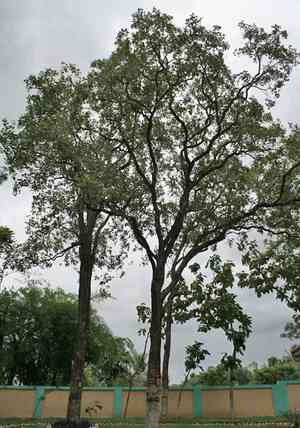
Incorporating Red sandalwood into your outdoor space can introduce distinct visual appeal and a vibrant color scheme.
2
Choosing the best location for Red sandalwood guarantees its flourishing and establishment as a prominent feature.
3
Companion planting and routine seasonal maintenance are crucial for preserving the attractiveness of your garden layout.
Introduction to Red Sandalwood in Landscaping
Understanding the Unique Aesthetic Value of Red Sandalwood
The distinct, deep crimson shade of Red Sandalwood timber is unmatched. This rich color can serve as a striking centerpiece or a vivid contrast within a verdant setting. Its singular hue can evoke feelings of warmth and sophistication, naturally drawing the eye to areas where Red Sandalwood is planted or utilized in landscape designs. The smooth texture and exotic appearance of this wood can complement various garden styles, adding an element of elegance difficult to achieve with other plant types.
Exploring its Popularity in Different Landscaping Styles
Whether your garden leans towards a minimalist modern design, a lush tropical haven, or a charming rustic retreat, Red Sandalwood integrates seamlessly into diverse landscaping aesthetics. Its adaptable appeal makes it a preferred choice for landscapers and garden enthusiasts seeking to introduce an element of exotic beauty. In minimalist gardens, Red Sandalwood's simplicity stands out and adds depth. For tropical landscapes, it blends well with vibrant foliage. Meanwhile, in rustic designs, Red Sandalwood complements the raw, natural aesthetics, making it a versatile component in landscaping.
Where to Position Red Sandalwood in Your Garden
Best Locations for Planting Red Sandalwood to Maximize Its Visual Appeal
Strategic placement of Red Sandalwood in your garden can significantly boost its visual impact. Positioning it as a focal point, such as in the center of a lawn, near an entrance, or alongside a pathway, can highlight its beauty. It also works well close to water features where reflections can amplify its striking color. Consider plant pairings and the surrounding flora to ensure Red Sandalwood stands out without dominating other garden elements.
Considering Sunlight and Soil Conditions
To ensure Red Sandalwood flourishes, plant it in a spot that receives ample sunlight, typically partial to full sun exposure. This plant prefers well-drained soil but can adapt to various soil types with proper care. Mulching around the base can help retain moisture during dry spells, while consistent monitoring ensures ideal soil conditions for its growth. A well-placed Red Sandalwood not only looks good but also remains healthy and vibrant.
Companion Plants That Complement Red Sandalwood
Choosing Plants with Harmonizing Colors and Textures
Select companion plants that accentuate the unique red tones of Red Sandalwood. Plants with green, gold, or purple foliage can provide a contrasting backdrop that makes Red Sandalwood stand out. Similarly, consider leaf textures; pairing Red Sandalwood with plants that have varied leaf shapes and surfaces can create a dynamic and visually appealing garden. Ferns, grasses, and broad-leaved plants are excellent choices for companions, as they enhance the overall look without overshadowing the main attraction.
Understanding Spacing and Growth Patterns
Proper spacing is vital to ensure all plants thrive without competing for resources. Understand the growth habits of Red Sandalwood and its companion plants to prevent overcrowding. Most importantly, allow Red Sandalwood sufficient room to reach its full potential. Plan the garden layout by considering the mature size of each plant. Adequate spacing also promotes air circulation, which is crucial for preventing diseases and fostering healthy growth.
Seasonal Care Tips for Red Sandalwood
Spring and Summer Care
During spring and summer, Red Sandalwood requires consistent watering, especially during dry periods. Fertilize it with a balanced, slow-release fertilizer to support its development. Pruning may be necessary to maintain its form and remove any dead or diseased branches. Regularly inspect for pests and diseases that might affect the plant, and treat them promptly to ensure ongoing health and vigor.
Autumn and Winter Strategies
As autumn approaches, reduce watering frequency to prepare Red Sandalwood for the colder months. Consider applying a layer of mulch around the base to insulate the roots against winter cold. In colder regions, additional protection might be necessary, such as using burlap wraps or winter covers. Monitor the plant for any signs of stress or damage from frost, and take appropriate action to shield it from prolonged exposure to harsh weather.
Designing a Focal Point with Red Sandalwood
Creating Eye-Catching Landscape Features Using Red Sandalwood
Red Sandalwood can be the central element of your garden design. Use it individually or in small groupings to attract attention. Create pathways leading to a strategically placed Red Sandalwood, making it the highlight of your garden stroll. You can also integrate Red Sandalwood into raised beds or containers to add height and depth to flat garden areas, creating a compelling visual interest that will captivate visitors.
Incorporating Elements Like Benches or Water Features
Enhance the role of Red Sandalwood in your landscape by incorporating complementary elements like benches, water features, or garden statues. Placing a bench near Red Sandalwood offers a peaceful spot to relax and appreciate its beauty. A water feature, such as a small pond or fountain, can reflect the plant’s color and add a tranquil ambiance. These additions create a cohesive and immersive garden experience, emphasizing the elegance Red Sandalwood brings to the landscape.



