How to Propagate Red sandalwood?
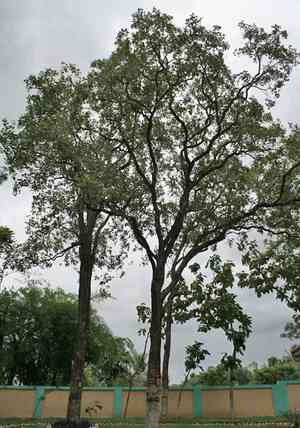
Pterocarpus santalinus is a prized lumber species recognized for its deeply colored wood and therapeutic attributes. Reproduction is generally effective via cuttings, necessitating the selection of robust, pathogen-free branches. The severed ends ought to be coated with rooting compounds to stimulate root formation prior to insertion into a well-draining and nutrient-rich medium. Steady humidity and warmth aid in rooting, though excessive watering should be avoided. Developing strong root systems is essential before relocating to a permanent site.
Optimal Time for Red Sandalwood Propagation
Propagation Method
Cutting
Propagation Period
Autumn,Winter
Tools for Red Sandalwood Propagation
Sharp Pruning Shears
These are vital for taking cuttings from red sandalwood. Clean, precise cuts help prevent disease and damage to the parent plant, ensuring a healthy start for the cutting. The accuracy of high-quality shears is crucial for avoiding jagged edges that could hinder the cuttingâs ability to absorb water and nutrients.
Rooting Hormone
This chemical compound stimulates root development from red sandalwood cuttings. Applying a rooting hormone to the cut end of the cutting before planting can significantly boost the chances of successful root formation, which is critical for red sandalwood due to its initial sensitivity during root development.
Sterile Potting Mix
A sterile potting mix offers a clean, controlled environment for red sandalwood cuttings to root, minimizing the risk of soil-borne diseases. The mix should provide good drainage while retaining enough moisture to support the cuttings until they establish a robust root system.
Propagation Tray
A propagation tray helps manage and organize red sandalwood cuttings during the rooting process. The tray allows for uniform moisture distribution and, when used with a humidity dome, can create a micro-environment that maintains optimal humidity levels for encouraging root growth in red sandalwood.
Humidity Dome
This tool covers the propagation tray, thereby helping to regulate moisture and temperature around the red sandalwood cuttings. The controlled environment provided by the dome is essential for preventing the cuttings from drying out and for promoting high humidity, which enhances rooting success.
How to Propagate Red Sandalwood?
Propagation Difficulty
Moderately Difficult
Caring for Newly Propagated Red Sandalwood
Caring for Newly Propagated Red Sandalwood
Once red sandalwood cuttings have rooted and show new growth, gradually acclimate them to less humid conditions by removing the plastic cover. Continue to keep the soil consistently moist and provide bright, indirect light. As the plants mature, transition them to a sunnier spot and begin a regular feeding program with a balanced fertilizer to promote healthy growth and eventual flowering.
Common Mistakes to Avoid When Propagating Red Sandalwood
Using unsuitable soil mix
Propagating red sandalwood requires specific soil conditions. Using standard potting soil or soils that do not drain well can lead to root rot due to red sandalwood's sensitivity to excessive moisture.
Overwatering during rooting phase
This can lead to fungal growth and root decay in red sandalwood, as the species requires a balanced moisture level that is not too high.
Inadequate light exposure
Red sandalwood requires ample indirect light for proper growth. Too little light can lead to weak, leggy seedlings or cuttings, hampering overall health and growth potential.
Ignoring plant health before propagation
Using seeds or cuttings from a diseased or weak red sandalwood can lead to poor propagation outcomes, as the initial health greatly influences the vigor of new plants.
Tips For Propagating Red Sandalwood
Use well-draining soil
Creating a soil mix with good aeration and drainage supports healthy root development in red sandalwood, preventing issues like root rot.
Moderate watering strategy
Maintaining moist but not soggy soil conditions is crucial, especially in the rooting phase of red sandalwood to encourage healthy root growth without fostering conditions for disease.
Provide indirect sunlight
Ensuring red sandalwood receives sufficient indirect sunlight fosters healthy photosynthesis and growth, enhancing the survival and vigor of young plants.
Selection of healthy parent material
Always select disease-free, vigorous seeds or cuttings for propagation. The healthier the start, the better the chances of successful establishment of red sandalwood.
Use rooting hormones for cuttings
Applying a rooting hormone to the cuttings of red sandalwood can significantly enhance root development, improving the overall propagation success rate.



