How to Transplant Cretan brake?
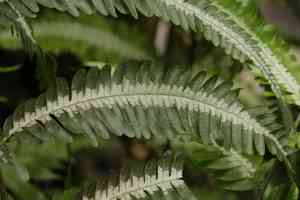
A notable attribute of cretan brake is its capacity to endure relocation. The perfect period spans from the middle of spring to the middle of autumn, providing a comfortable setting for peak development. Opt for a location with partial shade and soil that drains effectively, and bear in mind that careful manipulation during the transfer process fosters abundant greenery. Enjoy your gardening!
What Preparations are Needed Before Transplanting Cretan Brake?
What is the Ideal Time for Transplanting Cretan Brake?
Moving cretan brake from mid-spring through mid-fall offers significant advantages. This optimal period allows cretan brake to establish its root system prior to colder weather, promoting a healthier plant.
How Much Space Should You Leave Between Cretan Brake Plants?
When relocating cretan brake, maintain a generous spacing of 1-2 ft (30-60 cm) between plants. This provides ample room for development and helps maintain lush foliage.
What is the Best Soil Mix for Cretan Brake Transplanting?
Prepare a well-draining soil mixture for cretan brake, featuring loamy or sandy textures. Enhance the soil with organic matter and a balanced slow-release fertilizer to support continuous growth.
Where Should You Relocate Your Cretan Brake?
Choose a spot where cretan brake will receive partial sunlight to light shade. Avoid direct afternoon sun, as this can scorch its delicate fronds. East-facing locations are perfect for the bright yet cool environment they prefer.
What Equipments Should You Prepare Before Transplantation Cretan Brake?
Gardening gloves
To safeguard your hands while handling the plant and working with soil.
Spade or shovel
Needed to excavate the hole in the ground where the cretan brake will be moved.
Trowel
Useful for digging around and lifting smaller plants from the ground or a container.
Watering can
Essential for hydrating cretan brake both before and after its relocation.
Pruning shears
To trim any damaged roots or leaves of cretan brake prior to transplanting.
Wheelbarrow or bucket
For transporting the cretan brake from its original spot to its new one.
Soil pH testing kit
A helpful tool for checking the soil's pH, as cretan brake prefers slightly acidic to neutral conditions.
How Do You Remove Cretan Brake from the Soil?
How Do You Remove Cretan Brake from the Soil?
From Ground: Start by watering the cretan brake plant to moisten the soil, aiding in easy removal. Next, carefully dig around the plant's perimeter using a spade, ensuring as much of the root system remains intact as possible. Position the spade beneath the root ball and gently lift the entire plant free.From Pot: First, water the cretan brake plant to ensure the root ball stays together upon removal. Tilt the pot sideways, gently pull the plant's base while tapping the pot's edge on a firm surface to dislodge it. Be careful not to pull forcefully; once free, place it in a wheelbarrow or bucket for transport.From Seedling Tray: Water the tray first to loosen the soil. Next, gently separate each cretan brake seedling using a small stick or a dibber. Handle the seedlings by their leaves, not their stems, as stems are easily damaged.
Step-by-Step Guide for Transplanting Cretan Brake
Preparation
Ensure the ground where the cretan brake plant will be moved has been properly prepared. This includes checking the soil pH and confirming adequate drainage in that area.
Digging
Use a spade or shovel to excavate a hole at the new site. The hole should be twice as wide as the cretan brake plant's root ball and of equal depth.
Placement
Position the cretan brake plant in the hole by gently lowering it with your hands or a trowel. Make sure the plant sits at the same level as the surrounding ground to prevent waterlogging.
Backfilling
Refill the hole with the excavated soil, gently pressing it down as you proceed to ensure good contact with the roots.
Watering
Thoroughly water the cretan brake plant immediately after transplanting to minimize transplant shock.
How Do You Care For Cretan Brake After Transplanting?
Watering
Maintain consistent soil moisture for cretan brake during the initial weeks post-transplantation. The correct watering frequency depends on your climate and season, but a good guideline is to water when the soil at the plant's base feels dry.
Pruning
Inspect the cretan brake plant for any signs of stress or damage. If you notice any wilting leaves, promptly prune them off. This allows the plant to direct its energy towards developing its root system.
Monitoring
Keep an eye out for pests and diseases. Your newly transplanted cretan brake is susceptible, so monitoring is crucial during the initial days after relocation. Use safe and organic pest control methods when necessary.
Troubleshooting Common Issues with Cretan Brake Transplantation.
What is the ideal time for transplanting cretan brake?
The optimal period to relocate cretan brake is typically from mid-spring to mid-fall, allowing the plant ample time to establish itself.
What is the best spacing for cretan brake when transplanting?
When moving cretan brake, space each plant 1-2 ft (30-60cm) apart. This ensures proper air circulation and growth.
How can I prepare the soil before transplanting cretan brake?
Before relocating cretan brake, enrich the soil with compost or a slow-release fertilizer. This will ensure the plant has all the necessary nutrients to thrive post-transplant.
What should I do if cretan brake's leaves turn yellow after transplanting?
Yellow leaves might indicate overwatering. Adjust your watering schedule and ensure the soil drains well to prevent root rot.
Should I prune cretan brake before or after transplanting?
Pruning before transplanting can lessen transplant shock. Trim off any damaged or excessively large fronds to give cretan brake a fresh start in its new location.
The roots of my cretan brake are extremely tangled. Should I break them up before transplanting?
Yes, gently untangle the roots before planting. This prevents matting and encourages them to spread into the new soil.
How deep should I plant cretan brake when transplanting?
The new hole for cretan brake should be the same depth as its previous pot or ground location. Planting too deeply can lead to root diseases.
What should I do if cretan brake wilts after transplanting?
Wilting is a common response to transplant shock. Maintain proper watering, and add a mulch layer to retain moisture. It should recover soon.
How much water does cretan brake need right after transplanting?
Give it a thorough watering immediately after transplanting. Moving forward, keep the soil consistently moist, but not waterlogged; overwatering can cause root rot.
My cretan brake has brown fronds after transplanting, what should I do?
Brown fronds could be a reaction to transplant shock, insufficient water, or sunburn. Ensure proper watering, provide shade, and prune away browned fronds to encourage new growth.



