How to Overwinter Cretan brake
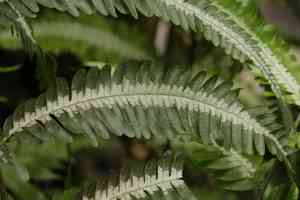
1
Confirm your Cretan brake is pest-free prior to moving it inside.
2
Sustaining a temperature between 15-18°C (59-64°F) is vital for its winter survival.
3
Cretan brake flourishes in elevated humidity; a humidity tray can be very helpful.
Understanding Cretan brake Frost Hardiness
Understanding Cretan brake Frost Hardiness
The Cretan brake is a resilient fern capable of enduring various temperatures, but its limits, particularly in colder months, must be recognized. This plant is typically robust, meaning it can withstand light frost. However, extended exposure to temperatures below -1°C (30°F) can result in permanent damage. Therefore, during winter, providing additional care is essential to maintain your Cretan brake's health.
Preparing Cretan brake for Winter
Assessing Health Before Winter
Prior to moving your Cretan brake indoors for winter, take time to check its overall condition. Look for indications of pests, disease, or nutrient deficiencies. A healthy plant is more likely to survive and flourish through the colder period. Address any problems, such as yellowing leaves or wilting, as soon as they appear.
Cleaning and Pruning
Cleaning and trimming your Cretan brake is crucial before winter arrives. Remove any dead or damaged fronds to prevent decay and illnesses. Gently wipe the leaves with a damp cloth to eliminate dust and pests. This facilitates a smoother transition and reduces the risk of infections spreading.
Watering Adjustments
As temperatures decrease, the Cretan brake's hydration requirements also shift. Reduce the frequency of watering, but do not allow the soil to become completely dry. Aim to keep the soil moist, not waterlogged. If the plant is kept too wet in cooler temperatures, it can lead to root rot.
How to Create the Ideal Winter Environment
Temperature Control
Maintaining the correct temperature is vital for the Cretan brake during winter. Target a temperature range between 15-18°C (59-64°F). Avoid placing the plant near drafts, radiators, or direct heat sources, as temperature swings can stress the plant.
Light Requirements
While the Cretan brake does not demand intense light, it does require indirect sunlight to thrive. Position your plant near a north or east-facing window. If natural light is insufficient, consider using a grow light to supplement it during the shorter winter days.
Humidity Levels
Humidity is critical for the Cretan brake as it naturally grows in damp environments. In winter, indoor air can become very dry. Use a humidity tray or a room humidifier to maintain humidity levels around 50-70%. Regular misting can also help keep the fronds lush and green.
Soil and Pot Selection
A well-draining soil mix is essential to prevent root rot. Use a pot with adequate drainage holes and consider adding perlite or coarse sand to the soil mix for improved aeration. Repotting may be necessary if the plant has outgrown its current pot, ensuring it has space to grow new fronds when spring arrives.
Common Winter Issues and Solutions
Dealing with Pests
Even indoors, the Cretan brake can fall victim to pests such as aphids, spider mites, and scale. Regularly inspect the plant and use insecticidal soap or neem oil to treat any infestations. Ensure the treatment is suitable for ferns and follow the instructions for application.
Preventing Fungal Infections
Poor ventilation and overwatering can lead to fungal infections. Ensure good air circulation around the plant and avoid misting directly on the fronds. Remove any affected parts immediately and use a fungicide if necessary.
Managing Root Rot
Root rot is a common issue due to overwatering or poor drainage. If you notice a foul smell or decaying roots, trim the affected parts and repot the plant in fresh, well-draining soil. Water sparingly and ensure proper drainage to prevent recurrence.
When and How to Transition Cretan brake Back Outdoors
Monitoring Weather Patterns
Before moving your Cretan brake back outdoors, monitor the weather to ensure the risk of frost has passed. Typically, this is after the last frost date in your area. Consistent temperatures above 10°C (50°F) are ideal for transitioning.
Gradual Acclimatization
The transition should be gradual to avoid shock. Start by placing the plant outside for a few hours each day, gradually increasing the time over one to two weeks. This gradual acclimation helps the plant adjust to outdoor conditions.
Post-Winter Care Tips
Once back outdoors, continue to monitor the Cretan brake for any stress signs. Gradually resume regular watering and feeding schedules. Prune any winter-damaged fronds to encourage new growth. With these steps, your Cretan brake will thrive and flourish with the return of warmer weather.



