How Much Sunlight Do Cretan brake Need?
1
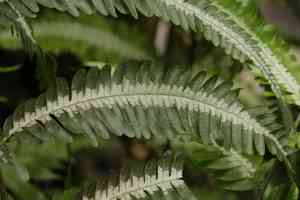
Cretan brake flourishes optimally with moderate sun exposure, approximately 3-6 hours each day.
2
While it can endure both direct sun and deep shade, its peak performance is achieved in dappled light environments.
3
Indications of sun damage in Cretan brake involve browning at the leaf ends or discolored, burnt areas.
What Kind of Light Does Cretan Brake Require?
Understanding Diffused Illumination
The Cretan brake, an appealing fern, flourishes in settings where it receives diffused light. Diffused light signifies sunlight that does not directly strike the plant but is softened by a curtain or reflected from a surface. For example, positioning your Cretan brake near an east-facing window where it can enjoy the gentle morning glow is optimal. This light type emulates the plant's native environment, allowing it to grow luxuriantly without the risk of sun damage.
Impact of Varying Light Strengths
Light strength significantly influences your Cretan brake's vitality. In dim conditions, the plant might become elongated as it reaches for light. Conversely, excessive direct sun exposure can result in scorched foliage. The ideal spot for this fern is bright, indirect light, which promotes vigorous growth and rich green fronds. Experiment with different placements in your home to discover the perfect light intensity.
Optimal Spots for Sun Exposure
Perfect Indoor Placement
Indoors, the best location for your Cretan brake is near windows where it can get ample yet filtered sunlight. East or north-facing windows are especially fitting, offering the correct balance of brightness without harsh direct rays. If a south or west-facing window is your sole option, consider employing sheer drapes to soften the intense afternoon sun, ensuring your fern maintains a pleasant level of light exposure.
Outdoor Positioning Considerations
When cultivated outdoors, placing your Cretan brake beneath the canopy of larger plants or in a shaded area of your garden will shield it from direct sun. This arrangement mimics its natural woodland habitat. If complete shade is unavoidable, rest assured that this hardy fern can endure it, though its growth might be slower. Alternatively, partial shade spots with dappled sunlight throughout the day are excellent for fostering lush, healthy development.
How Much Sun is Excessive for Cretan Brake?
Recognizing Sunburn Indicators
Too much sunlight can be harmful to your Cretan brake. Signs that your fern is receiving excessive light include browning leaf tips, scorched patches, and a generally droopy appearance. If these symptoms emerge, it's a clear indication that you need to move it to a location with less intense light.
Reducing Overexposure to Sunlight
To prevent sunburn, relocate your Cretan brake to a spot with more indirect or filtered light. Using sheer curtains can help lessen the severity of direct sunlight. Additionally, ensure the plant isn't positioned too close to windows where it could be exposed to strong midday or afternoon sun.
Seasonal Light Adjustments
Spring and Summer Care
During the brighter spring and summer months, your Cretan brake will benefit from increased illumination. However, ensure this light remains indirect to prevent overheating and scorching. You might need to move your fern slightly further from the window or introduce light-diffusing curtains during the hours of peak intensity.
Autumn and Winter Care
In autumn and winter, sunlight diminishes, and light intensity drops. Moving your Cretan brake closer to a window can help it receive sufficient light during these months. South or west-facing windows can provide more light on shorter days, just remember to monitor the intensity to avoid sunburn.
Utilizing Artificial Light for Cretan Brake
Types of Grow Lamps
If natural light is scarce, artificial lighting can be an excellent substitute. Fluorescent lights are an economical choice and are suitable for most indoor plants. LED grow lights are more energy-efficient and offer a light spectrum that can be precisely adjusted to meet your Cretan brake's requirements.
Advice for Effective Artificial Illumination
When employing artificial lights, position them approximately 30 cm (12 inches) above the plant to simulate indirect sunlight. It's crucial to provide your Cretan brake with about 14-16 hours of artificial light daily. Set a timer to ensure consistency and prevent the plant from becoming leggy or stressed due to irregular lighting.



