How to Prune Cretan brake?
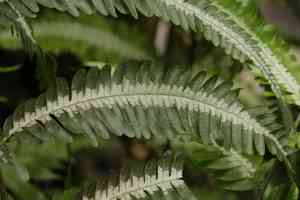
Cretan brake, a fragile fern, flourishes with infrequent trimming, primarily for eliminating withered or discolored fronds. This trimming should occur in late winter or early spring, prior to the emergence of new foliage. Employ sanitized shears to snip near the base, taking care not to harm nascent shoots. Such upkeep fosters a more robust, lively specimen by enhancing air movement and lowering the likelihood of illness. Trimming also assists cretan brake in preserving its neat grace, which is vital for its decorative charm.
Advantages of Trimming Cretan Brake
Advantages of Trimming Cretan Brake
Trimming cretan brake promotes robust development and preserves its intended form. Consistent cutting eliminates dead fronds, stimulates new leaves, and keeps the plant compact, enhancing its decorative appeal.
Optimal Period for Pruning Cretan Brake
Optimal Period for Pruning Cretan Brake
Pruning cretan brake is best performed in late winter or early spring as this timing coincides with the period just before the plant's active growth phase. Trimming during these seasons prepares cretan brake to channel its energy into generating new, healthy growth as temperatures rise. Late winter pruning helps remove any damaged or dead fronds that may have resulted from winter stress, while early spring pruning allows for shaping the plant and managing its size more effectively. Since cretan brake lacks a significant flowering or fruiting period that gardeners must consider, focusing on its vegetative growth cycle is ideal for scheduling maintenance. These seasons are when the plant is still largely dormant, which minimizes stress and the risk of disease infection at the cut sites.
Tools Required for Pruning Cretan Brake
Sharp Bypass Pruners
Perfect for making precise cuts without harming the delicate fronds of cretan brake. The bypass mechanism mimics a scissor action, which is gentle and effective for slender stems.
Pruning Snips
These are ideal for trimming smaller or finer fronds of cretan brake or for reaching into dense growth without disturbing surrounding foliage. Their precise blades allow for accurate cutting.
Gardening Gloves
Though not a cutting tool, gloves are crucial when pruning cretan brake to safeguard your hands from any sharp edges or rough plant material.
Soft Cloth or Brush
Useful for gently wiping away any debris or dust from cretan brake after pruning, which will help maintain the plant's health and prevent any fungal diseases.
How to Prune Cretan Brake
Sterilize
Before beginning, sterilize the pruning tools to prevent the spread of diseases to cretan brake. Use alcohol or a bleach solution to thoroughly clean the blades.
Inspect
Examine cretan brake carefully to identify any dead fronds, brown leaves, or damaged fronds that require removal. Look for fronds that have turned brown or yellow, or show signs of damage or disease.
Trim
Using sharp, sterilized pruning shears, carefully trim off the dead fronds and brown leaves at their base where they meet the stem or the soil. Avoid damaging healthy parts of cretan brake.
Damaged fronds
If any fronds are partially damaged, cut the frond back to the nearest healthy part, ensuring clean cuts to promote quick healing for cretan brake.
Disposal
Discard the removed foliage away from other plants to prevent the spread of any potential pests or diseases that might be affecting cretan brake.
Common Pruning Errors with Cretan Brake
Excessive pruning
Removing too many fronds at once can stress cretan brake, leading to stunted growth or plant shock. It's important to prune sparingly and only when necessary.
Pruning healthy foliage
Cutting green, healthy fronds can limit the plant's ability to photosynthesize efficiently. Only remove old, discolored, or damaged fronds to maintain the health of cretan brake.
Improper tool use
Using dull or dirty pruning tools can cause jagged cuts or introduce pathogens to cretan brake. Always use sharp, clean tools to make precise cuts.
Cutting into healthy tissue
When removing damaged fronds, accidental cuts into green, healthy parts of cretan brake can harm the plant. Cut just above the healthy tissue to avoid unnecessary damage.
Ignoring dead fronds
Failing to prune dead or dying fronds can invite pests and diseases, while also detracting from cretan brake's appearance. Regular removal of dead material is essential.
General Pruning Advice for Cretan Brake
Sanitize tools
Before pruning cretan brake, sanitize the pruning tools with rubbing alcohol or a bleach solution to prevent the spread of disease.
Sharp cuts
Use sharp pruning shears to make clean cuts on cretan brake for faster healing and reduced stress on the plant.
Prune damaged fronds
Remove brown, wilted, or damaged fronds at the base to encourage cretan brake to produce new, healthy growth.
Selective pruning
Selectively prune older fronds that show signs of aging or disease. This helps to prioritize the energy of cretan brake towards invigorating new growth.
Pruning for shape
Lightly prune cretan brake to maintain the desired shape and size. This will foster a more aesthetically pleasing and dense plant without over-pruning.



