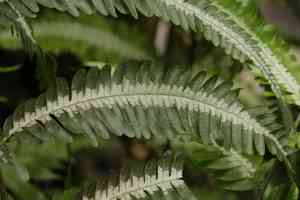
Cretan brake(Pteris cretica)

Cretan brake (Pteris cretica)

Also known as: Table fern

The Cretan brake fern (Pteris cretica) generally reaches up to 30 inches (76 cm) in height and spreads about 24 inches (61 cm) wide. Its distinctively patterned leaves make it a favorite for indoor or potted plant collections.

**Care Guidelines:**

1. **Light:** Prefers bright, indirect light but can adapt to lower light settings. Avoid placing it in direct sunlight.
2. **Water:** Maintain evenly moist soil, letting the top layer dry slightly before re-watering. Do not let the soil become soggy.
3. **Humidity:** Requires high humidity; mist the plant regularly or use a humidity tray.
4. **Temperature:** Thrives in temperatures between 60-75°F (16-24°C). Protect it from drafts and temperature extremes.
5. **Soil:** Opt for a well-draining, peat-based potting mix.
6. **Fertilizer:** Apply a balanced, water-soluble fertilizer every 4-6 weeks during the growing seasons of spring and summer.
7. **Repotting:** Repot every 1-2 years in spring to replenish soil nutrients and accommodate growth.

For outdoor potted plants, ensure they are sheltered from frost and excessively cold temperatures to prevent damage. Regularly trim any yellow or dead fronds to maintain the plant's appearance and health.

Attributes of Cretan brake

Lifespan
Perennial
Plant Type
Fern
Plant Height
75 cm
Spread
60 cm
Leaf Color
Green
Flower Size
8 mm to 1.5 cm
Flower Color
N/A (ferns do not have flowers)

ForwardPlant - Identify plants with a snap

Identify and diagnose plants, get toxicity alerts, and explore safety guides for all types of fungi.

Try for Free

Images of Cretan brake

Cretan brake(Pteris cretica)

Quickly Identify Cretan brake

1
Pteris cretica can be identified by its long, arching fronds that are pinnate with dark green upper surfaces and lighter undersides. The fronds can have various shapes, often displaying a variation in pinnae segments.

Scientific Classification of Cretan brake

Phylum
Vascular plants
Class
Ferns
Order
Polypodiales
Family
Brake
Genus
Brakes
Species
Cretan brake

Planting and Growing of Cretan brake

Care Difficulty
Easy
Watering Schedule
Every 8 days
Sunlight Requirements
Partial sun
Sunshine Duration
4-8 hours
Ideal Temperature
60-75℉
Soil Type
Potting Mix, Peat Mix
Soil pH
6.5-7.5
Fertilizer Type
Balanced
Pruning Season
Spring, Summer
Pruning Area
Branches, Leaves
Pruning Frequency
2 times a year
Repotting Season
Spring
Pot Type
Plastic, Ceramic

water icon How to Water Cretan brake?

For Pteris cretica, water should be applied generously until it seeps out of the drainage holes, ensuring the soil is moist but not soggy. This typically requires around 250 milliliters per watering session, depending on the pot size and soil composition. It's important to avoid letting the plant sit in standing water as this can lead to root rot.
What are the symptoms of an underwatered Cretan brake? ›
What should I do if my Cretan brake is not getting enough water? ›
What are the symptoms of an overwatered Cretan brake? ›
How to save an overwatered Cretan brake? ›

sunlight icon What Are the Sunlight Requirements for Cretan brake?

Sunlight Requirements: Partial sun
Duration of light: 2-4 hours
Partial sun is ideal, providing several benefits like vibrant foliage and thriving growth. Adequate lighting ensures an environment conducive to healthy photosynthesis and overall plant vitality.
What are the ideal lighting conditions for Pteris cretica? ›
How can you achieve the ideal lighting for Pteris cretica? ›
What are the benefits of ideal lighting for Pteris cretica? ›
More About Sunlight Requirements Techniques→

temperature icon What Is the Ideal Temperature Range for Cretan brake?

Ideal Temperature: 60 ~ 75℉
The ideal temperature range for Pteris cretica is between 60°F and 75°F. This range ensures optimal growth and development. Keeping the plant within this temperature range helps it maintain a vibrant appearance and proper physiological functions.

soil icon What Soil is Best for Cretan brake?

Soil type: Loam, Sandy loam
Soil PH: 6.5 ~ 7.5
Pteris cretica thrives in well-drained soil, which prevents root rot and ensures that the plant receives adequate oxygen, essential for optimal growth and health. The soil should retain some moisture without becoming waterlogged. This helps in maintaining a consistent supply of water, preventing the plant from drying out. A soil with moderate fertility is ideal, as it provides essential nutrients while preventing excessive growth that could lead to legginess.

fertilize icon How to Fertilize Cretan brake?

Fertilizer type: Balanced
Pteris cretica requires a moderate amount of fertilizer. When using liquid fertilizer, it is best to dilute it to half the recommended strength to avoid burning the roots. This allows the plant to absorb the nutrients slowly and sustain healthy growth.

prune icon How to Prune Cretan brake?

Pruning Time: Spring, Summer, Autumn
When pruning Pteris cretica, it's crucial to use sterilized cutting tools to avoid any potential transfer of disease. Additionally, always prune during the plant's active growing seasons of spring, summer, or autumn to ensure optimal recovery and new growth. Remember, ferns like Pteris cretica can be sensitive, so avoid cutting more than one-third of the plant volume at one time to maintain its vitality. More About Pruning Techniques→

propagate icon How to Propagate Cretan brake plant?

Propagate Time: Early spring,Late spring
1
Water the Pteris cretica thoroughly a day before division. This helps to minimize stress on the plant and makes it easier to remove from the soil. Ensure that the soil is damp but not waterlogged.
2
Carefully dig around the base of the plant using a spade, lifting it gently from the soil. Separate the root clump into smaller sections by hand, ensuring each section has a healthy root system and fronds.
3
Prepare new planting areas with well-draining soil. Place each divided section into its new location, ensuring that the roots are adequately covered with soil. Water the divisions immediately to help them settle in.
More About Propagating Techniques→

repot icon How to Repot Cretan brake plant?

Repotting frequency: Every 1-2 years
1
Pteris cretica needs repotting when you notice roots emerging from the drainage holes or the plant shows signs of becoming root-bound. In some cases, you might see a slowdown in growth, indicating it's time for a larger pot.
2
Select a pot that's one or two sizes larger than the current one. Make sure it has drainage holes to prevent waterlogging. Opting for a slightly bigger pot provides room for root expansion, promoting healthier and more vigorous plant growth.
3
A well-draining potting mix is ideal for Pteris cretica. The soil should retain some moisture but not remain soggy. This encourages aeration around the roots, preventing rot and ensuring the plant receives the correct balance of nutrients and moisture.
More About Repotting Techniques→

ForwardPlant - Identify plants with a snap

Find the best spots for them to optimize their health, simply using your phone.

Try for Free

