How to Transplant Bitter Cherry?
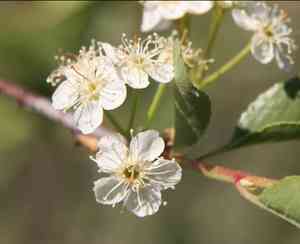
The ideal period for relocating bitter Cherry is as spring transitions into the warmth of summer, a time conducive to root development without harsh cold or intense heat. Select a sunny location with soil that drains effectively to facilitate a seamless move. Bear in mind, patience and diligent care are crucial!
What Preparations are Needed Before Transplanting Bitter Cherry?
What is the Ideal Time for Transplanting Bitter Cherry?
Move bitter Cherry as late frosts disappear, just before flowering. This timing allows roots to settle in warm, nourishing soil, promoting growth. Relocating bitter Cherry during this gentle period supports strong development and recovery from stress, taking advantage of longer days and mild weather. It's the perfect moment to integrate bitter Cherry into its new environment when nature is most favorable.
How Much Space Should You Leave Between Bitter Cherry Plants?
When arranging your bitter Cherry plants, provide ample room for them to thrive. Aim for approximately 12-20 feet (3.7-6.1 meters) between each one. This ensures every bitter Cherry has sufficient space to grow without competing for nutrients and sunlight.
What is the Best Soil Mix for Bitter Cherry Transplanting?
For your bitter Cherry, select well-draining soil enriched with organic material like compost. Before planting, incorporate a balanced, slow-release fertilizer into the soil to give your bitter Cherry a nourishing start. This preparation will help ensure the soil is welcoming for the new roots.
Where Should You Relocate Your Bitter Cherry?
Choose a location that receives full to partial sunlight for your bitter Cherry. An area that gets at least 6 hours of direct sun daily is optimal, as it will help your bitter Cherry flourish and produce the best foliage and growth.
What Equipments Should You Prepare Before Transplantation Bitter Cherry?
Shovel or Spade
For digging around and beneath the plant to remove it.
Gardening Fork
To loosen the soil and gently separate roots without harm.
Pruning Shears
For trimming any damaged roots or branches prior to transplanting.
Wheelbarrow or Tarp
To move the bitter Cherry from its original spot to the new location.
Watering Can or Hose
To hydrate the bitter Cherry before and after transplanting to lessen shock.
Gardening Gloves
To safeguard your hands while working with soil and the plant.
How Do You Remove Bitter Cherry from the Soil?
How Do You Remove Bitter Cherry from the Soil?
From Ground: Water the bitter Cherry thoroughly the day before transplanting to ensure moist soil and hydrated roots. Carefully dig a wide circle around the plant, several inches from the stem, to avoid root damage. Use the shovel to lever under the root mass and gently lift the bitter Cherry from its position.From Pot: Water the bitter Cherry to moisten the soil, facilitating easier removal. Tilt the pot sideways and gently tap its sides to loosen the root ball. Slide the bitter Cherry out of the pot, ensuring the root ball and plant are supported during the process.From Seedling Tray: Water the seedling to dampen the soil, making removal simpler. Use a small tool or your fingers to carefully loosen the soil around the seedling's roots. Gently lift the bitter Cherry by its leaves, not the delicate stem, ensuring the root ball remains intact.
Step-by-Step Guide for Transplanting Bitter Cherry
Preparation
Prepare the new planting site for bitter Cherry before extracting it from its current location. The hole should be twice as wide and as deep as the root ball to allow roots to spread.
Root Pruning
Inspect the roots of bitter Cherry once it's out of the ground or container. Use pruning shears to snip off any broken or excessively long roots. Ensure you don't remove more than one-third of the root mass.
Planting
Position the bitter Cherry in the center of the freshly dug hole. Gently spread the roots and confirm the plant is at the same soil level as it was originally. Backfill the hole with soil, tamping gently to eliminate air pockets.
Stabilizing
Stake bitter Cherry if needed, especially in windy areas or if the plant is top-heavy. Use plant ties or soft materials to secure the plant to the stake without harming the stem or branches.
Watering-In
Water the bitter Cherry thoroughly after planting to settle the soil around the roots and help reduce transplant shock. Continue to water deeply and regularly during the initial growing season.
How Do You Care For Bitter Cherry After Transplanting?
Mulching
Apply a layer of organic mulch around the base of bitter Cherry to help retain moisture, regulate soil temperature, and suppress weed growth. Keep the mulch a few inches away from the stem to prevent rot.
Monitoring
Observe the bitter Cherry for indications of transplant shock, such as wilting or yellowing leaves. Some stress is normal, but persistent symptoms may signal an issue.
Pruning
Trim any dead or damaged branches to help bitter Cherry direct its energy towards root development and new growth. Use clean, sharp pruning shears for precise cuts.
Troubleshooting Common Issues with Bitter Cherry Transplantation.
What's the best time to transplant bitter Cherry?
Choose the bright days of late spring to early summer, giving bitter Cherry a full season to establish itself.
How far apart should I space bitter Cherry when transplanting?
Place bitter Cherry 12-20 feet (3.7-6 meters) apart to ensure ample room for growth and air circulation.
My bitter Cherry has wilted leaves post-transplant, what should I do?
Wilted leaves can indicate stress; ensure sufficient water and consider providing shade until it stabilizes.
How deep should the hole be for transplanting bitter Cherry?
Dig a hole twice the width and to the depth of the root ball for a comfortable fit.
Should I amend the soil when transplanting bitter Cherry?
Yes, mix in compost or aged manure to enrich the soil, promoting root growth and health.
How much should I water bitter Cherry after transplanting?
Water thoroughly until the soil settles, maintaining moist but not soggy soil as bitter Cherry establishes roots.
What's the ideal light condition for bitter Cherry after transplanting?
Position bitter Cherry where it receives full to partial sunlight to thrive in its new location.
Can bitter Cherry be transplanted on cloudy days?
Cloudy, cooler days are ideal for transplanting to minimize shock and preserve soil moisture.
Why are my bitter Cherry's roots exposed after transplanting?
Exposed roots suggest shallow planting; correct by deepening the hole and covering the roots.
Do I need to prune bitter Cherry when transplanting?
Pruning is not necessary; focus on minimal disturbance to encourage quick acclimation to the new site.



