Enhancing Your Garden Design with the Bitter Cherry Plant: A Landscaping Guide
1
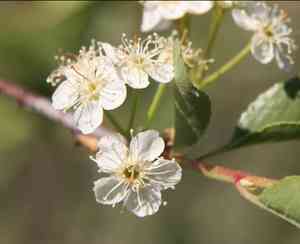
Bitter Cherry contributes visual appeal and boosts ecological variety in any landscape.
2
Thoughtful positioning of Bitter Cherry can establish prominent features and improve your garden's layout.
3
Consistent upkeep and seasonal attention are crucial for maintaining Bitter Cherry's health and vigor.
Introducing Bitter Cherry in Landscape Design
Appreciating Bitter Cherry's Visual Charm
For landscape design, Bitter Cherry stands out due to its distinct visual appeal. With its vivid blossoms and pleasing overall form, Bitter Cherry introduces an element of natural splendor that can captivate observers. The plant's colorful flowers offer a striking contrast to garden greenery, providing visual interest across various seasons. By incorporating Bitter Cherry, you can achieve a dynamic and engaging landscape, transforming ordinary areas into extraordinary ones.
Bitter Cherry's Role in Ecosystems and Biodiversity
Bitter Cherry is more than just an attractive plant in your garden; it plays a vital role in supporting ecosystems and fostering biodiversity. Bitter Cherry offers a habitat for various pollinators, including bees and butterflies, which are crucial for environmental health. Additionally, its fruits can attract birds and small mammals, bringing life and movement to your garden. By choosing to include Bitter Cherry in your landscape design, you contribute to a healthier, more diverse ecosystem benefiting both plants and animals.
Integrating Bitter Cherry into Your Garden Plan
Designing Your Space with Bitter Cherry
Effective garden design with Bitter Cherry begins with careful planning. Consider the available space and the mature size of Bitter Cherry to ensure it fits well within your garden layout. Take into account the plant's light and soil needs to select the optimal spot where Bitter Cherry will flourish. By plotting the location beforehand, you can seamlessly integrate Bitter Cherry into your garden, creating a cohesive and balanced look that highlights its natural beauty.
Companion Plants for Bitter Cherry
To maximize Bitter Cherry's impact in your garden, it's essential to pair it with complementary plants. Seek out species that share similar growing conditions and enhance Bitter Cherry's aesthetic appeal. For instance, combining Bitter Cherry with ground covers or ornamental grasses can create textural contrast, while adding flowering perennials can extend the blooming season and provide a continuous display of color. By choosing the right companions for Bitter Cherry, you can create a vibrant and harmonious garden landscape.
Establishing Focal Points with Bitter Cherry
Selecting the Ideal Location for Bitter Cherry
To best utilize Bitter Cherry as a focal point, choosing the correct placement is crucial. Position Bitter Cherry where it can be easily seen and admired, such as near paths, entrances, or central garden areas. Ensure the spot has ample sunlight and suitable soil conditions to support its growth. By thoughtfully positioning Bitter Cherry, you can draw attention to its beauty and create an eye-catching feature in your garden.
Design Approaches Using Bitter Cherry as a Centerpiece
Numerous design techniques exist to highlight Bitter Cherry as a garden centerpiece. Consider using symmetrical arrangements to frame Bitter Cherry, or placing it against a backdrop of evergreens to boost its visibility. Layering different plants around Bitter Cherry can also add depth and dimension to your garden design. Whether you opt for a formal or informal layout, using Bitter Cherry as the focal point can elevate your garden's overall aesthetic and create a stunning visual impact.
Seasonal Care for Bitter Cherry
Spring and Summer Maintenance for Bitter Cherry
During spring and summer, Bitter Cherry requires specific care to ensure its health and vitality. Regular watering, especially during dry periods, is crucial. Apply a balanced fertilizer to support its growth and enhance flowering. Prune any dead or damaged branches to maintain a tidy appearance and encourage new growth. Additionally, mulching around Bitter Cherry's base can help retain moisture and prevent weed competition. Following these tips can keep Bitter Cherry thriving through the warmer months.
Preparing Bitter Cherry for Autumn and Winter
As seasons change, preparing Bitter Cherry for fall and winter is essential for its continued well-being. Gradually reduce watering as the weather cools, and cease fertilizing to allow Bitter Cherry to enter dormancy. Protect the plant's roots by applying a layer of mulch or compost. Prune any weak or crossing branches to prevent damage from winter winds and snow. By taking these preparatory steps, you can help Bitter Cherry endure the colder months and ensure a vibrant return in spring.
Maintaining Bitter Cherry's Health and Appearance
Routine Maintenance Practices for Bitter Cherry
Consistent maintenance is vital for keeping Bitter Cherry healthy and attractive. Regularly check for signs of pests or diseases and address them promptly. Trim back overgrown branches to maintain a desirable shape and encourage air circulation. Keep the soil around Bitter Cherry well-drained and enriched with organic matter to foster robust growth. By incorporating these regular maintenance practices, you can ensure that Bitter Cherry remains a stunning feature in your garden for years to come.
Addressing Common Pests and Diseases of Bitter Cherry
Despite its resilience, Bitter Cherry can be susceptible to certain pests and diseases. Common issues include aphids, scale insects, and fungal infections. Regular inspections and timely interventions are crucial. Use natural or chemical pest control methods as needed and apply fungicides to treat any fungal outbreaks. Ensuring good air circulation and avoiding excessive watering can also help prevent these problems. By being proactive about pest and disease management, you can keep Bitter Cherry healthy and thriving.



