How to Prune Bitter Cherry?
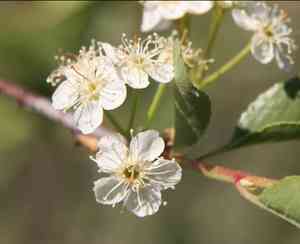
This deciduous shrub, celebrated for its clusters of pinkish-white blossoms, thrives with appropriate trimming to preserve its structure and vitality. Trim bitter Cherry in late winter or early spring prior to blooming to refine its inherent shape and foster vigorous development. Eliminate any lifeless, ailing, or compromised branches, and thin out aged wood to facilitate light penetration and air movement, which are crucial for minimizing disease susceptibility. Trimming also incites fresh growth, ensuring a luxuriant, lively appearance in the landscape.
Advantages of Trimming Bitter Cherry
Advantages of Trimming Bitter Cherry
Trimming bitter Cherry promotes robust development and helps maintain its desired shape. Strategic removal of dead or weak branches encourages a strong framework and boosts the tree's overall vigor.
Optimal Period for Pruning Bitter Cherry
Optimal Period for Pruning Bitter Cherry
Pruning bitter Cherry in late winter, just before spring growth begins, is ideal because the plant is still dormant, minimizing stress and sap loss. This timing allows the plant to recover quickly and direct energy to new growth once spring arrives. Additionally, it's easier to see bitter Cherry's structure without leaves, enabling more precise cuts. Pruning bitter Cherry in early spring is also suitable as it precedes the period of rapid growth, ensuring that cuts made will stimulate healthy new branches and maintain the plant's desired form. This timing also avoids removing buds that will become flowers or fruits later in the season. Pruning during these seasons helps maintain bitter Cherry's overall health, encourages a strong structure, and optimizes flower and fruit production.
Required Tools for Pruning Bitter Cherry
Hand Pruners
Perfect for making accurate cuts on bitter Cherry's smaller branches, ensuring minimal plant damage while encouraging healthy new growth.
Lopping Shears
Effective for cutting through bitter Cherry's thicker branches, typically up to 1.5 inches in diameter, which hand pruners might struggle with.
Pruning Saw
Essential for removing bitter Cherry's large limbs that loppers cannot handle, providing a clean cut that aids the plant's healing process.
Pole Pruner
Useful for reaching higher branches of bitter Cherry without needing a ladder, improving safety and efficiency in the pruning process.
Hedge Shears
Suitable for shaping bitter Cherry when used as a hedge or for maintaining a formal appearance, allowing for even trimming of foliage.
How to Prune Bitter Cherry
Clean Cut
Sanitize your pruning tools with isopropyl alcohol or a 10% bleach solution to prevent disease spread. Make clean cuts to remove dead or damaged branches from bitter Cherry, cutting at a 45-degree angle to facilitate water runoff and promote healing.
Thin Crown
Identify and trim dead branches within bitter Cherry's canopy to improve air circulation and light penetration. Use thinning cuts, which involve cutting branches at their point of origin or back to a lateral branch.
Remove Diseased
Carefully remove any diseased branches from bitter Cherry, ensuring you cut well below the affected areas to eliminate any hidden infections. Avoid tearing the bark or creating jagged wounds which can lead to further disease and pest issues.
Disinfect Tools
After each cut of diseased material, re-sterilize your pruning tools immediately to stop the spread of pathogens to healthy parts of bitter Cherry or other plants.
Proper Disposal
Properly dispose of all removed branches, especially diseased ones, by burning them or bagging and removing them from bitter Cherry's vicinity to prevent reinfection or infestation.
Common Pruning Errors with Bitter Cherry
Over-Pruning
Removing too much foliage at once can stress bitter Cherry, weakening the plant and potentially leading to disease or pest problems.
Improper Cuts
Incorrect cutting technique can damage bitter Cherry's bark and branches, leading to poor wound healing and increased susceptibility to diseases.
Pruning Healthy Wood
Unnecessarily cutting away healthy branches can reduce flowering and fruiting, as bitter Cherry blooms on old wood.
Neglecting To Sterilize Tools
Using tools that are not clean can introduce diseases to bitter Cherry, especially if the tools were previously used on infected plants.
Topping
Cutting bitter Cherry branches back to stubs, or topping, can result in weak growth and an unattractive plant form.
Ignoring Dead Or Diseased Wood
Failing to remove dead or diseased branches can hinder bitter Cherry's growth and health, as it allows pests and diseases to proliferate.
General Pruning Advice for Bitter Cherry
Clean Cuts
Make clean cuts at a slight angle away from the bud to promote proper healing and new growth in bitter Cherry.
Use Sharp Tools
Sharp pruning shears and saws make cleaner cuts, reducing damage to bitter Cherry's tissues and promoting faster wound sealing.
Sterilize Equipment
Disinfect pruning tools before and after use to prevent the spread of diseases in bitter Cherry.
Selective Pruning
Prune selectively to shape bitter Cherry and remove only what is necessary, such as crossing branches and water sprouts, to maintain a healthy structure.
Maintain Plant Form
Prune with the natural form of bitter Cherry in mind, retaining its characteristic shape while enhancing its growth and flowering potential.
Protect The Collar
Cut outside the branch collar without leaving a stub to preserve bitter Cherry's natural defenses against decay-causing organisms.



