The Bitter Cherry Plant Advantage: Maximizing Home and Office Appeal and Wellness
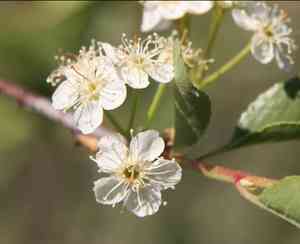
1
Bitter Cherry adapts well to diverse soil conditions, simplifying its cultivation.
2
Bitter Cherry's fruit can draw numerous wild animals to your outdoor space.
3
Indigenous peoples have historically utilized Bitter Cherry for its many functional uses.
What Are the Advantages of Cultivating Bitter Cherry?
Improved Soil Quality
Bitter Cherry is recognized for its strong root system, which aids in preventing soil erosion and enhancing soil structure. Its capacity to flourish in diverse soil types means it can act as a stabilizing element wherever it's planted. Moreover, Bitter Cherry enriches the soil with organic matter through its fallen leaves and decaying branches, fostering a healthier garden environment.
Attracting Wildlife
A key benefit of Bitter Cherry is its ability to draw in wildlife. The fruits produced by Bitter Cherry serve as a food source for birds, small mammals, and insects, boosting biodiversity in your garden. This not only creates a lively and vibrant outdoor area but also supports local animal populations, contributing to ecological balance.
How Does Bitter Cherry Support Local Ecosystems?
Providing Shelter and Sustenance
Bitter Cherry offers both refuge and nourishment to various animal species. Its dense foliage provides nesting sites and protection for birds and small mammals. Additionally, the berries and insects that thrive on Bitter Cherry become part of the food web, supporting a range of species and contributing to a balanced ecosystem.
Pollinator Assistance
Bitter Cherry plays a vital role in supporting pollinators like bees and butterflies. The blossoms of Bitter Cherry attract these pollinators, which are crucial for the fertilization of many other plants. By planting Bitter Cherry, you are contributing to the well-being of pollinator populations, which are essential for a healthy environment and food production.
What Are Traditional Applications of Bitter Cherry?
Cultural Importance
In many indigenous cultures, Bitter Cherry has been utilized for its practical applications. Historically, the plant's wood has been used for crafting tools and implements, while its fruits have been incorporated into various culinary dishes. Understanding these traditional uses can deepen our appreciation of Bitter Cherry and its heritage.
Sustainable Practices
The traditional uses of Bitter Cherry often highlight sustainable practices and a harmonious relationship with nature. By learning from these practices, we can adopt more sustainable approaches in our gardening and daily lives, leading to a more environmentally friendly existence.
How to Cultivate and Maintain Bitter Cherry?
Planting Requirements
Bitter Cherry thrives best in well-drained soils but is adaptable to various soil conditions. It prefers full sun to partial shade and requires consistent watering, especially during dry periods. When planting, ensure ample space for its growth, as Bitter Cherry can spread considerably over time.
Maintenance Advice
To maintain a healthy Bitter Cherry, regular pruning is essential to remove dead or diseased branches and to encourage new growth. Mulching around the base can help retain moisture and suppress weeds. Fertilization is generally not necessary, as Bitter Cherry is hardy and can thrive with minimal inputs.



