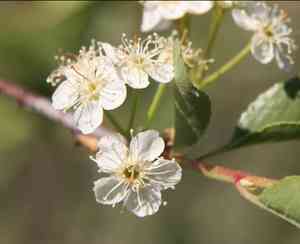
Bitter Cherry(Prunus emarginata)

Bitter Cherry (Prunus emarginata)

Also known as: Quinine Cherry

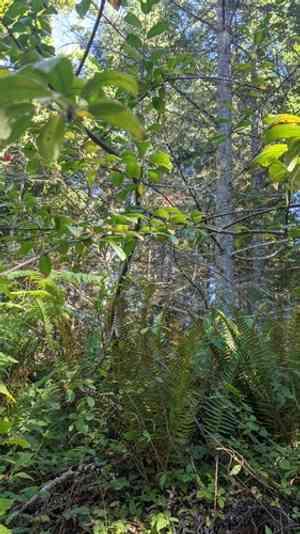
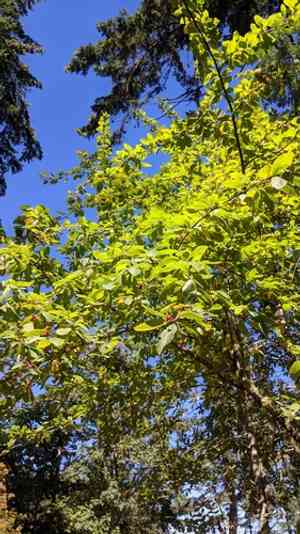
Bitter Cherry (Prunus emarginata), native to western North America, is known for its bitter fruit, which isn't favored by many. However, its leaves attract a variety of animals, including deer, elk, and numerous insects like caterpillars and beetles. Smaller mammals such as rabbits may also consume the leaves. This tree spreads easily through both seeds and aerial shoots, and in some regions, it's regarded as a weed. Historically, its bark was utilized by indigenous people for tool wrapping, and its branches were fashioned into arrows.

Attributes of Bitter Cherry

Lifespan
Perennial
Plant Type
Tree
Plant Height
91 cm to 9 m
Spread
3 m
Leaf Color
Green
Flower Size
2.5 cm to 5 cm
Flower Color
White

ForwardPlant - Identify plants with a snap

Identify and diagnose plants, get toxicity alerts, and explore safety guides for all types of fungi.

Try for Free

Images of Bitter Cherry

Bitter Cherry(Prunus emarginata)

Quickly Identify Bitter Cherry

1
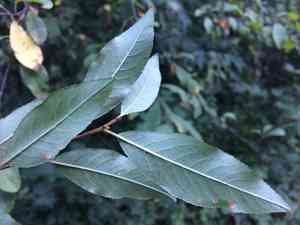
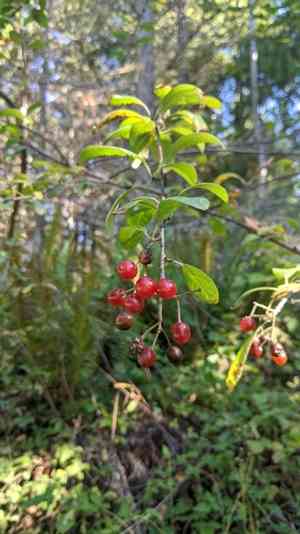
Prunus emarginata can be identified by its narrow leaves with serrated edges and a slight curve (emarginate leaves), clusters of white flowers in the spring, and its bright red, bitter cherries that appear in the summer.

Scientific Classification of Bitter Cherry

Phylum
Vascular plants
Class
Dicotyledons
Order
Rosales
Family
Rose
Genus
Prunus
Species
Bitter Cherry

Planting and Growing of Bitter Cherry

Care Difficulty
Easy
Watering Schedule
Every 2 days
Sunlight Requirements
Full sun
Sunshine Duration
6-10 hours
Ideal Temperature
60-75℉
Soil Type
Potting Mix, Peat Mix
Soil pH
5.5-7.5
Fertilizer Type
Balanced
Pruning Season
Spring, Summer
Pruning Area
Branches, Leaves
Pruning Frequency
2 times a year
Repotting Season
Spring
Pot Type
Plastic, Ceramic

water icon How to Water Bitter Cherry?

Prunus emarginata, also known as the bitter cherry, requires about 1500 ml of water per session. The soil should be moist but not waterlogged. The principle is to mimic its natural habitat by ensuring the soil remains damp but with proper drainage to prevent root rot.
What are the symptoms of an underwatered Bitter Cherry? ›
What should I do if my Bitter Cherry is not getting enough water? ›
What are the symptoms of an overwatered Bitter Cherry? ›
How to save an overwatered Bitter Cherry? ›

sunlight icon What Are the Sunlight Requirements for Bitter Cherry?

Sunlight Requirements: Full sun, Partial sun
Duration of light: 6 to 12 hours daily
Prunus emarginata thrives best under full sun to partial sun conditions. Proper light exposure ensures robust growth, enhanced floral display, and improved plant vigor.
What is the ideal light intensity for Prunus emarginata? ›
What solutions can be implemented to achieve this lighting condition? ›
What are the results of achieving this light condition for the plant? ›
More About Sunlight Requirements Techniques→

temperature icon What Is the Ideal Temperature Range for Bitter Cherry?

Ideal Temperature: 60 ~ 75℉
The ideal temperature range for Prunus emarginata, also known as Bitter Cherry, lies between 60°F and 75°F. This range ensures optimal growth and development of the plant and supports its physiological processes. Consistent temperatures within this range help maintain the plant's health and vitality.

soil icon What Soil is Best for Bitter Cherry?

Soil type: Loam, Sandy loam
Soil PH: 5.5 ~ 7.5
Prunus emarginata thrives in well-drained soil to ensure its roots don't become waterlogged. This prevents root rot and promotes healthy growth by allowing the roots to access oxygen. The plant benefits from soil with moderate moisture retention, which keeps it hydrated without oversaturating. This balance supports consistent nutrient uptake and overall vitality. Soil high in organic matter enhances nutritional content, providing essential nutrients for robust growth. Organic content also improves soil structure and aeration, benefiting root development.

fertilize icon How to Fertilize Bitter Cherry?

Fertilizer type: Balanced
Prunus emarginata, commonly known as the bitter cherry, requires moderate fertilization. For liquid fertilizer, a balanced ratio (such as 10-10-10) should be used. Apply about 1/4 to 1/2 gallon per plant area depending on its size. In contrast, slow-release fertilizers are applied in smaller quantities, around 1 to 2 pounds per 100 square feet, to provide a steady nutrient supply over several months.

prune icon How to Prune Bitter Cherry?

Pruning Time: Spring, Summer
When pruning Prunus emarginata, ensure tools are sterilized before use to prevent the transmission of diseases. Prune only on dry days, as wounds made to the tree should have time to begin sealing before they come into contact with moisture. Avoid heavy pruning as this can stress the tree; instead, aim for removing less than 25% of the tree’s foliage in one season. More About Pruning Techniques→

propagate icon How to Propagate Bitter Cherry plant?

Propagate Time: Spring,Early spring,Late spring
1
Collect mature seeds from the Prunus emarginata in the autumn and store them in a cool, dry place until you are ready to plant in early spring.
2
Cuttings should be taken from healthy, disease-free parent plants. Select semi-hardwood cuttings from last season's growth, ideally around 6 inches long.
3
For layering, gently bend a lower branch to the ground, cover a section with soil while keeping the tip exposed. Ensure it stays in place with a stake or stone.
More About Propagating Techniques→

repot icon How to Repot Bitter Cherry plant?

Repotting frequency: Every 2-3 years
1
The right time to repot Prunus emarginata is when you notice signs of root bound, such as roots growing out of the drainage holes or circling the surface of the soil. Additionally, if the plant seems to be drying out too quickly, these are indicators that it needs a larger pot or new soil to thrive.
2
Select a pot that is 2-3 inches larger in diameter than the current one to allow adequate room for root expansion. A container with drainage holes is essential to prevent waterlogging, which can lead to root rot. The right pot size helps improve aeration and ensures the healthy development of roots.
3
Opt for a well-draining, loamy soil mix that mimics its natural habitat. This type of soil enhances moisture retention while ensuring excess water drains away efficiently, preventing root rot. A balanced soil mix supports nutritional needs and encourages robust plant health and vitality.

ForwardPlant - Identify plants with a snap

Find the best spots for them to optimize their health, simply using your phone.

Try for Free

Toxicity of Bitter Cherry

Is Bitter Cherry toxic to cat?

Bitter Cherry, also referred to as Bitter Cherry, is highly toxic to felines. Should a cat ingest any portion of the plant, including the stems, leaves, or seeds, it could result in significant health complications. Cats that come into contact with Bitter Cherry may show multiple signs of distress and necessitate prompt veterinary intervention. To mitigate the risk of poisoning, it is essential to restrict access to the hazardous elements of Bitter Cherry. In the event of unintentional consumption, pet owners must act quickly and consult a veterinarian to safeguard their cat's health.

Is Bitter Cherry toxic to dog?

Bitter Cherry presents a serious toxicity hazard to dogs. If dogs consume parts of this plant, particularly the stems, leaves, and seeds, they may suffer from poisoning. Signs of toxicity can include vomiting, diarrhea, abdominal discomfort, and more severe symptoms such as respiratory distress or irregular heart rates. It is vital for dog owners to keep their pets away from Bitter Cherry and to supervise them carefully if they are in a location where this plant is present. Should a dog ingest any portion of Bitter Cherry, it is essential to seek immediate veterinary assistance to ensure the best possible outcome for the affected canine.

Identify toxic plants for your safety

Learn which plants are harmful to you and your pets, and make informed choices for a safer home!

Try for Free
WARNING
The judgment on toxicity and danger is for reference only. We DO NOT GUARANTEE any accuracy of such judgment. Therefore, you SHALL NOT rely on such judgment. It is IMPORTANT TO SEEK PROFESSIONAL ADVICE in advance when necessary.
More About Toxic Techniques→