How to Transplant Bigflower selfheal?
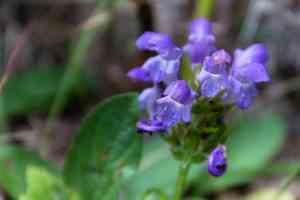
The ideal period for relocating bigflower selfheal is mid-spring, which guarantees vigorous development. Select a location offering partial sunlight and soil that drains effectively for peak well-being. Modifications might be necessary to accommodate bigflower selfheal's requirements for hydration and illumination.
What Preparations are Needed Before Transplanting Bigflower Selfheal?
What is the Ideal Time for Transplanting Bigflower Selfheal?
The best time to transplant bigflower selfheal is in mid-spring. This period offers mild temperatures and receptive soil, aiding root establishment. Moving bigflower selfheal at this time maximizes its growth potential due to the extended growing season ahead, ensuring strong development. By selecting this favorable window, you provide bigflower selfheal a significant head-start to flourish, as nature awakens with gentle warmth and refreshing rain. It's a time when gardeners can utilize the season's nurturing conditions, giving bigflower selfheal the optimal chance to settle before summer heat arrives.
How Much Space Should You Leave Between Bigflower Selfheal Plants?
When relocating bigflower selfheal, allow approximately 1-2 feet (30.5-61 cm) between each plant. This provides ample room for growth and development. Remember, greater spacing contributes to healthier plants!
What is the Best Soil Mix for Bigflower Selfheal Transplanting?
Prepare the soil by enriching it with a balanced, slow-release plant food. For bigflower selfheal, a loamy and well-drained soil type is perfect. These steps will supply the necessary nutrients for the plant to thrive.
Where Should You Relocate Your Bigflower Selfheal?
Regarding placement, bigflower selfheal thrives in sunlight. Locate a spot in your garden where it will receive abundant sun exposure throughout the day. A sunny location with some afternoon shade would be ideal!
What Equipments Should You Prepare Before Transplantation Bigflower Selfheal?
Gardening Gloves
To safeguard your hands from dirt and sharp objects.
Garden Spade or Shovel
For digging and extracting the plant from its initial spot.
Garden Trowel
To assist in excavating a suitable hole at the new planting site.
Pruners
To trim any damaged roots or foliage prior to transplant.
Watering Can
To hydrate the plant before and after its relocation.
Mulch or Compost
To supply additional nutrients and maintain soil moisture after transplant.
How Do You Remove Bigflower Selfheal from the Soil?
How Do You Remove Bigflower Selfheal from the Soil?
From Ground: First, thoroughly water the bigflower selfheal plant to moisten the soil. Next, use a shovel or spade to dig a trench at least 5-6 inches away from the plant's base, ensuring the root ball remains intact. Carefully work your spade beneath the root ball, lifting it gently.From Pot: Begin by watering the bigflower selfheal plant thoroughly. Turn the pot sideways, hold the plant gently by its base, and tap the side of the pot to release it. Avoid pulling the plant to prevent root damage.From Seedling Tray: Water the tray first. Push up from the bottom of the cell, being careful to hold the bigflower selfheal seedling by its leaves, not the stem, and gently remove it.
Step-by-Step Guide for Transplanting Bigflower Selfheal
Preparation
Clear the transplant area of any weeds or debris. Use a garden trowel to dig a hole twice as wide as the plant's root ball and of the same depth.
Insertion
Place your bigflower selfheal plant into the hole. The top of the root ball should be level with the soil surface. Backfill the hole with soil, applying gentle but firm pressure.
Watering
Immediately after transplanting, water the bigflower selfheal plant thoroughly. This helps the soil settle around the plant.
Mulching
Place a layer of mulch or compost around the plant, but not touching the plant stem. This helps conserve water, control weed growth and gradually enrich the soil.
How Do You Care For Bigflower Selfheal After Transplanting?
Pruning
Trim back the bigflower selfheal plants after transplanting to help reduce stress and allow it to focus more energy on root development.
Watering
Consistent but light watering is essential for the initial weeks post-transplant, allowing roots to recover and establish themselves.
Monitoring
Observe the bigflower selfheal plant for signs of transplant shock, such as wilting or yellowing leaves. If this occurs, adjust watering, consider adding more compost, and ensure it's not exposed to harsh weather conditions.
Troubleshooting Common Issues with Bigflower Selfheal Transplantation.
What's the best time in the year to transplant bigflower selfheal?
Relocating bigflower selfheal is best done during late spring to early summer (S2-S3), when it's actively growing but has not yet bloomed.
How much space should I leave between each bigflower selfheal when transplanting?
Aim to space bigflower selfheal plants about 1 to 2 feet (30 to 60 cm) apart. That will give them ample room to grow and won't impede air circulation.
Do the roots of bigflower selfheal need any special preparation before transplanting?
Yes, water the bigflower selfheal thoroughly a day before transplanting so the roots are well-hydrated, making it easier to remove the rootball without damage.
Can I trim the bigflower selfheal before transplanting, does it help?
Indeed, cutting back the leaves of bigflower selfheal can reduce transplant shock as it lowers the demand for water while the plant sets new roots.
What's the protocol for preparing the new spot for bigflower selfheal?
The new area should have loose, well-draining soil. Dig a hole twice as wide and just as deep as bigflower selfheal's rootball. Compost or organic matter is beneficial.
What if my bigflower selfheal wilts after the transplant?
Don't panic! Some wilting is normal due to transplant shock. Ensure consistent watering without overdoing it. If wilting persists, consider shade or a wind break.
Do I need to water bigflower selfheal immediately after transplanting?
Absolutely. Watering bigflower selfheal immediately after transplanting helps settle the soil and reduces transplant shock. However, make sure not to overwater - soggy conditions aren't ideal.
After transplanting, does bigflower selfheal need any special care for initial days?
Yes, keep soil consistently moist but not waterlogged. Also, keep bigflower selfheal out of direct harsh sunlight for the first few days to help it settle.
How deep should I plant bigflower selfheal when transplanting?
Plant bigflower selfheal at the same depth as it was in its original pot. Planting too deep can cause rot, and too shallow can dry out the roots.
Should I fertilize bigflower selfheal immediately after transplanting?
It's not necessary to immediately fertilize bigflower selfheal post-transplant. Wait about 3-4 weeks to let the plant settle then start a balanced fertilizer program.



