How to Prune Bigflower selfheal?
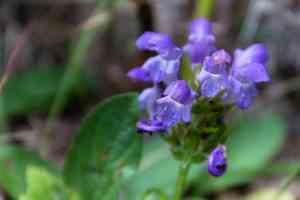
The striking blossoms of Bigflower selfheal thrive with spent flower removal, which stimulates additional blooming. Throughout the year, perform minor trimming to preserve its form and boost the plant's robustness. Following the blooming period, reduce its size by one-third to revitalize its leaves and enhance development for the subsequent season. These practices, beyond their visual appeal, aid in averting excessive density and ailments by fostering better air movement within the plant structure.
What Are the Benefits of Pruning Bigflower Selfheal?
What Are the Benefits of Pruning Bigflower Selfheal?
Trimming bigflower selfheal promotes abundant flowering and stimulates robust development. Regular cutting helps maintain its compact form, crucial for both visual appeal and garden harmony.
What Is the Best Time for Pruning Bigflower Selfheal?
What Is the Best Time for Pruning Bigflower Selfheal?
Pruning in early spring fosters healthy development and assists in preserving the desired form of bigflower selfheal. Post-flowering, trimming is advantageous for removing spent blossoms (deadheading) and encouraging a potential second bloom. Avoiding significant pruning in autumn safeguards bigflower selfheal from cold damage to new growth that might be triggered by late season cuts.
What Tools Do I Need to Prune Bigflower Selfheal?
Hand Pruners
Bigflower selfheal is a low-growing perennial herb that typically does not get very tall, which means heavy-duty tools are unnecessary. A pair of sharp hand pruners or secateurs is ideal for trimming dead or overgrown stems. They allow for precise cuts that help maintain bigflower selfheal's shape and encourage bushier growth. Look for bypass pruners which make clean cuts without crushing stems.
Gardening Shears
For larger clumps of bigflower selfheal or for shaping purposes, gardening shears can be effective. Also known as garden clippers, they have longer blades than hand pruners and can trim multiple stems at once. This tool will be helpful when cutting back bigflower selfheal after flowering to promote a second bloom.
Snips
If deadheading or removing smaller, delicate stems, a pair of snips or micro-tip pruners will work well. These tools offer the gardener more control for precision work, like removing spent blooms of bigflower selfheal, without damaging adjacent stems or leaves.
How to Prune Bigflower Selfheal
Clean tools
Before beginning to prune bigflower selfheal, ensure all pruning tools are clean and sharp to prevent the spread of disease and to make clean cuts.
Remove diseased parts
Carefully remove any diseased leaves and branches from bigflower selfheal using pruning shears. Make cuts well into the healthy tissue to ensure all diseased material is completely removed.
Prune dead material
Identify and prune away all dead branches and withered leaves from bigflower selfheal. Cut back to a point where the tissue appears healthy to promote new growth.
Trim withered flowers
Trim off withered flowers from bigflower selfheal to encourage a tidier appearance and potentially stimulate a second bloom in the growing season.
Shape plant
Finalize pruning of bigflower selfheal by shaping the plant. Avoid over-pruning, as this can stress the plant. Aim to maintain its natural habit for aesthetic appeal and health.
Common Pruning Mistakes with Bigflower Selfheal
Over pruning
Excessive pruning of bigflower selfheal at once can stress the plant, leading to a weaker structure and reduced flowering potential.
Poor cut location
Making cuts either too far from or too close to the buds can harm bigflower selfheal by either stunting new growth or causing dieback and disease entry.
Using dull tools
Dull pruning tools can damage bigflower selfheal's stems and create jagged cuts that are more susceptible to pests and diseases.
Pruning at wrong growth stage
Removing new buds or flowering stems at an inappropriate growth stage can inadvertently reduce bigflower selfheal's blooms.
Not pruning at all
Failure to prune bigflower selfheal may lead to an unruly shape and diminished vigor as dead or weak stems are not removed to make way for new growth.
Common Pruning Tips for Bigflower Selfheal
Clean cuts
Make clean, angled cuts above the leaf nodes on bigflower selfheal to encourage water to run off, reducing the risk of disease.
Thin out
Selectively thin out crowded areas to improve air circulation and light penetration for bigflower selfheal, promoting healthier growth.
Deadhead spent blooms
Remove spent blooms to redirect bigflower selfheal's energy into creating more flowers and maintaining a tidy appearance.
Tool disinfection
Disinfect pruning tools before use on bigflower selfheal to prevent the spread of disease between plants.
Preserve natural shape
Prune bigflower selfheal by following its natural shape, which helps maintain the plant's structure and its ability to flower abundantly.



