How to Propagate Bigflower selfheal?
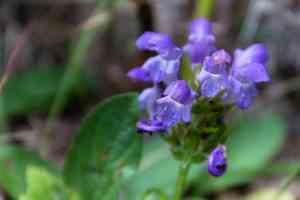
Bigflower selfheal flourishes when reproduced via cuttings. For successful propagation, choose robust, non-blooming stems. Sever a 4-6 inch segment directly beneath a leaf joint, making sure several leaves remain. Submerge the severed tip in rooting compound to encourage root growth and embed it in a well-draining potting blend. Ensure steady hydration and offer diffused illumination until the root system is established.
Optimal Time for Bigflower Selfheal Propagation
Propagation Method
Cutting
Propagation Period
Spring,Summer
Tools for Bigflower Selfheal Propagation
Sharp Pruning Shears
Sharp pruning shears are vital for obtaining healthy, precise bigflower selfheal cuttings. Clean cuts prevent disease and damage to the parent plant, essential for its continued growth and the successful establishment of new plants.
Rooting Hormone
Rooting hormone accelerates root development from bigflower selfheal cuttings, improving propagation success. This hormone stimulates root growth at the cut site, thereby increasing the success rate of cuttings establishing as new plants.
Sterile Potting Mix
Using a sterile potting mix ensures bigflower selfheal cuttings are planted in a disease-free medium, crucial for preventing contamination and disease spread. This medium also provides the appropriate texture and nutrients needed for the cuttings to thrive during their initial growth phase.
Plastic Pots or Trays
Plastic pots or trays are used for planting bigflower selfheal cuttings. These containers should have adequate drainage to ensure excess water can escape, preventing root rot and other moisture-related issues which might adversely affect the health of the cuttings.
How to Propagate Bigflower Selfheal?
Propagation Type
Easy
Caring for Newly Propagated Bigflower Selfheal
Caring for Newly Propagated Bigflower Selfheal
Once roots are established, gradually introduce bigflower selfheal to less humid conditions if previously covered. Transplant to a larger pot or garden, ensuring placement in an area mimicking its preferred growing conditionsâpartial shade and well-draining soil. Water regularly until fully established and showing new growth. Afterward, bigflower selfheal generally requires minimal care, though periodic watering during prolonged dry spells can boost its performance. Deadheading and division every few years can help maintain vigor and control spread.
Common Mistakes to Avoid When Propagating Bigflower Selfheal
Overwatering
Excessive moisture can lead to root rot in bigflower selfheal, reducing the chances of successful propagation. Overwatered soil lacks sufficient air pockets, which are crucial for root growth and health.
Deep planting of cuttings
Inserting bigflower selfheal cuttings too deeply into the soil can hinder their ability to form new roots and shoots. This position may also expose the cuttings to more moisture than needed, increasing the risk of decay.
Using non-sterile tools
Propagation with contaminated tools can introduce pathogens to bigflower selfheal. This makes the plant vulnerable to diseases, which can severely impact propagation outcomes and overall plant health.
Tips For Propagating Bigflower Selfheal
Use sharp, clean cutting tools
Ensuring that the tools used for taking bigflower selfheal cuttings are sterile reduces the risk of disease transmission, promoting healthier growth and effective rooting.
Moderate watering
Providing bigflower selfheal with a balanced amount of water ensures the soil remains moist but well-drained. This environment is ideal for root establishment without risking waterlogged conditions that lead to rot.
Proper cutting depth
Planting bigflower selfheal cuttings at the correct depth enhances root formation. The ideal depth allows the base of the cutting to access sufficient soil moisture without being submerged too deeply.



