How Much Sunlight Do Bigflower selfheal Need?
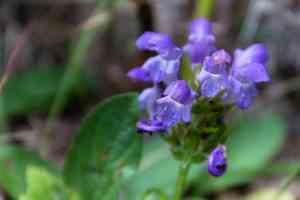
1
Bigflower selfheal flourishes when exposed to 6-8 hours of direct sunlight each day.
2
For hotter regions, offering some dappled light can prevent excessive heat damage.
3
Allowing for exposure to the morning sun can encourage more robust development and brilliant flowers.
Optimal Light Requirements for Bigflower Selfheal
Full Sun Versus Partial Shade
The Bigflower selfheal thrives with ample illumination, ideally receiving between 6 and 8 hours of sun daily. While it tolerates full sun exposure, meaning direct light for most of the day, it also adapts well to partially shaded conditions. This flexibility makes Bigflower selfheal a versatile option for diverse garden environments.
Advantages of Morning Sun
Morning sunlight proves particularly advantageous for Bigflower selfheal. The milder morning rays aid in initiating crucial processes like photosynthesis without the danger of heat stress. This early light supports vigorous development and profuse flowering, ensuring a healthy specimen.
Afternoon Sunlight: Excessive Intensity?
Afternoon sunlight can be quite intense, especially in warmer regions. While Bigflower selfheal can endure these circumstances, prolonged exposure to harsh afternoon sun might result in strain or dehydration. Consider providing your plant with some afternoon shade to lessen this risk.
Adjusting Bigflower Selfheal to Various Climates
Bright Climates
In sunny climates, ensure Bigflower selfheal receives sufficient water to prevent drying out. Applying mulch around the base helps retain soil moisture and shields roots from extreme heat. Some afternoon shade may also be necessary to avoid leaf scorching.
Shaded Climates
For those in shadier locales, situating Bigflower selfheal where it gets at least 3 to 4 hours of direct morning sunlight can still promote good growth. Avoid deep shade, as it can hinder blooming and result in a spindly, less robust plant.
Seasonal Adaptations
Adjusting to seasonal changes is vital for continuous optimal growth. During hotter summer months, you might need to provide more shade, whereas in cooler periods, maximizing sun exposure can keep the Bigflower selfheal flourishing. Modifying these conditions helps sustain a healthy, vibrant plant throughout the year.
Identifying Sun Stress in Bigflower Selfheal
Symptoms of Excessive Light
Overexposure to sunlight can cause several problems in Bigflower selfheal. Watch for indications such as scorched or brown leaves, wilting during the warmest parts of the day, or a general reduction in vitality. These signs suggest the plant requires protection from intense sun.
Symptoms of Insufficient Light
Conversely, too little sunlight can also harm Bigflower selfheal. If the plant appears spindly with elongated stems, or if it isn't blooming adequately, these are likely indicators of inadequate light. Moving the plant to a brighter location can resolve these issues.
Maximizing Growth Conditions for Bigflower Selfheal
Utilizing Shade Cloths
Shade cloths can be an excellent resource for creating an ideal environment for Bigflower selfheal, particularly in areas with strong afternoon sun. A shade cloth offering 40-50% coverage can shield the plant while still allowing enough light for healthy development.
Strategic Placement for Optimum Sun Exposure
Strategic planting can greatly impact the growth and health of Bigflower selfheal. Positioning the plant where it receives gentle morning light and some protection from harsh afternoon sun is ideal. Planting near taller plants or structures that offer natural shade can also be beneficial.
Common Questions About Bigflower Selfheal and Sunlight
Can Bigflower Selfheal Survive in Deep Shade?
Bigflower selfheal does not thrive in deep shade. It requires at least a few hours of direct sunlight each day to maintain its overall health and to flower effectively. Full shade can lead to poor development and reduced blooming.
Does Bigflower Selfheal Require Direct Sun?
Yes, Bigflower selfheal benefits from direct sunlight. Aim for 6 to 8 hours of sun daily to ensure it grows vigorously and produces abundant blooms. In partial shade, make sure it still receives sufficient light, especially in the morning.



