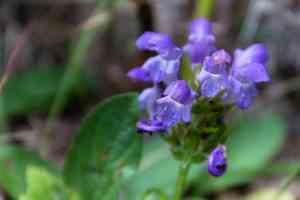
Bigflower selfheal (Prunella grandiflora)
Also known as: Prunella loveliness
Bigflower selfheal is great for sunny cottage gardens because its nectar-filled purple blooms attract bees and butterflies. This hardy perennial is ideal for edging borders, adding a soft touch to garden layouts. Its low maintenance needs make it an excellent choice for gardeners looking for beauty without extensive care.
In This Article
Attributes of Bigflower selfheal
Lifespan
Perennial
Plant Type
Herb
Plant Height
15 cm to 60 cm
Spread
30 cm to 38 cm
Leaf Color
Green
Flower Size
2.5 cm
Flower Color
Purple Violet White Pink
Images of Bigflower selfheal
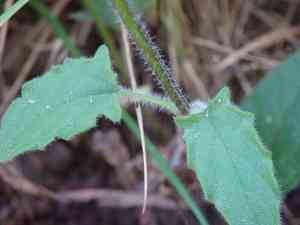
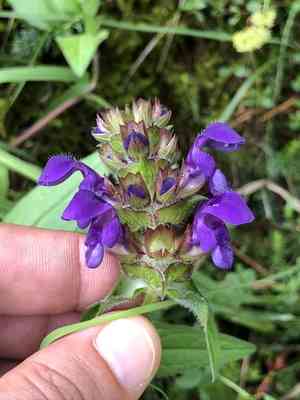
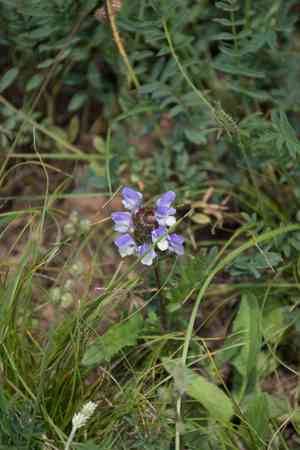
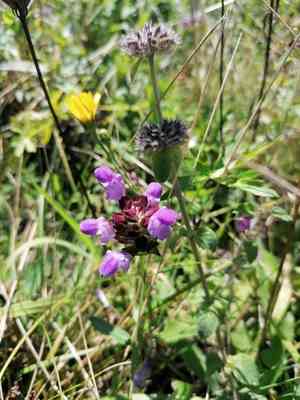
Quickly Identify Bigflower selfheal
1
Prunella grandiflora can be identified by its square stem, opposite leaves, and dense spikes of purple, tubular flowers. The leaves are lance-shaped with a slightly serrated margin.
Scientific Classification of Bigflower selfheal
Phylum
Vascular plants
Class
Dicotyledons
Order
Mints plantains olives and allies
Family
Mint
Genus
Selfheals
Species
Bigflower selfheal
Planting and Growing of Bigflower selfheal
Care Difficulty
Easy
Watering Schedule
Every 3 days
Sunlight Requirements
Partial sun
Sunshine Duration
6-8 hours
Ideal Temperature
60-75℉
Soil Type
Potting Mix, Peat Mix
Soil pH
6.5-7.5
Fertilizer Type
Balanced
Pruning Season
Spring, Summer
Pruning Area
Branches, Leaves
Pruning Frequency
2 times a year
Repotting Season
Spring
Pot Type
Plastic, Ceramic
 How to Water Bigflower selfheal?
Prunella grandiflora prefers to be watered deeply, ensuring the soil is consistently moist yet not waterlogged. The amount should be around 500 ml per watering session, enough to moisten the root zone without standing water. It's crucial to let the soil dry slightly between waterings to prevent root rot.
What are the symptoms of an underwatered Bigflower selfheal?
›
What should I do if my Bigflower selfheal is not getting enough water?
›
What are the symptoms of an overwatered Bigflower selfheal?
›
How to save an overwatered Bigflower selfheal?
›
 What Are the Sunlight Requirements for Bigflower selfheal?
Prunella grandiflora's ideal light range includes partial sun conditions where it thrives best with 4 to 6 hours of sunlight. This balance assists in robust flowering and disease resistance.
More About Sunlight Requirements Techniques→
How much sunlight does Prunella grandiflora need?
›
What is the best solution to achieve ideal sunlight levels?
›
What benefits does Prunella grandiflora gain from ideal sunlight?
›
 What Is the Ideal Temperature Range for Bigflower selfheal?
The ideal temperature range for Prunella grandiflora is crucial because it optimizes the plant's growth, flowering, and survival. Temperatures between 60°F and 75°F are considered optimal as they allow efficient photosynthesis without stressing the plant. Outside this range, the plant may struggle to maintain metabolism and growth.
 What Soil is Best for Bigflower selfheal?
Prunella grandiflora thrives best in well-drained soil, which prevents root rot and ensures adequate oxygen supply to the roots. It helps the plant to absorb the right nutrients efficiently, promoting a vibrant growth. A nutrient-rich substrate provides the necessary minerals and microelements crucial for the plant's lush appearance and strong floral display. Adequate fertility in soil helps maintain a healthy and vigorous stance of the plant. Despite its preference for well-drained soil, Prunella grandiflora benefits from moisture-retaining abilities within the soil. This balance allows the plant to stay hydrated without getting waterlogged, crucial for its resilience during dry spells.
 How to Fertilize Bigflower selfheal?
For Prunella grandiflora, use a balanced 10-10-10 liquid fertilizer, diluted to half-strength. This ensures that the plant receives nutrients without risking root burn. For slow-release fertilizers, use according to package instructions, generally around a tablespoon per square foot.
 How to Prune Bigflower selfheal?
Start pruning Prunella grandiflora in early Spring as the plant begins to show signs of new growth. Continue with light pruning throughout Summer to maintain its shape and encourage robust flowering. When pruning, cut back stems just above a set of leaves or a node. This promotes bushier growth and prevents the plant from becoming leggy. Always make clean cuts to minimize stress on the plant.
More About Pruning Techniques→
 How to Propagate Bigflower selfheal plant?
1
Collect mature seeds at the end of the flowering season. Clean and dry them for a few days before sowing to improve germination rates.
2
Select healthy, non-flowering stems during early summer. Cut just below a leaf node using sharp pruning shears. Each cutting should be about 4-6 inches long.
3
Division is best done in early spring or autumn. Carefully dig up the plant and use a sharp knife to separate the roots into sections, each with adequate roots and foliage.
 How to Repot Bigflower selfheal plant?
1
Repotting Prunella grandiflora is best done when the plant shows signs of outgrowing its current pot. Look for roots emerging from the drainage holes or reduced growth, which may indicate cramped conditions. Usually, during spring or summer, when the plant is actively growing, it's a good time to consider repotting. This allows the plant to establish itself before entering its dormancy period.
2
Selecting the right pot for Prunella grandiflora is crucial. Choose a pot that is one size larger than the current one, with adequate drainage holes to prevent waterlogging. A slightly larger pot ensures enough space for root expansion, promoting healthier growth and reducing the risk of root rot. The material could be clay or plastic, depending on personal preference and the environment.
3
Opt for a well-draining potting mix to prevent soggy conditions, which Prunella grandiflora dislikes. Incorporate organic matter like compost to enhance soil fertility, assisting in proper root aeration. This choice of soil helps in replicating the plant's natural habitat, providing necessary nutrients and reducing the likelihood of root diseases.
Learn More About Bigflower selfheal Diseases
Anthracnose
Bacterial Leaf Spot
Black Spot
Chemical Injury
Damping-off
Downy Mildew
Drought Stress
Fusarium Wilt
Gray Mold
Leaf Curl
Leaf Spot
Mosaic
Nutrient Deficiency
Nutrient Toxicity
Powdery Mildew
Root Rot
Root-knot Nematode
Rusts
Sooty Mold
Spider Mites
Temperature Stress
Thrips Damage
White Mold



