How to Transplant Velvet mesquite?
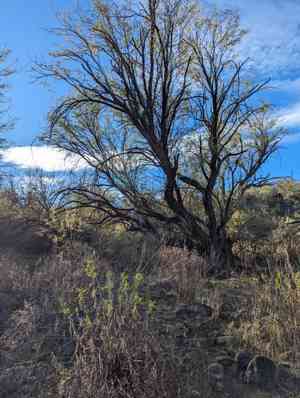
The most favorable period for relocating velvet mesquite is from the pleasant warmth of late spring to mid-summer, facilitating a smooth adjustment. Select a bright spot featuring soil that drains effectively. Should it be necessary, provide some cover initially to help velvet mesquite acclimate to its new environment.
What Preparations are Needed Before Transplanting Velvet Mesquite?
What is the Ideal Time for Transplanting Velvet Mesquite?
Choose the transition from late spring to early summer for velvet mesquite transplantation. This period provides optimal soil warmth and moderate temperatures, aiding root establishment before intense heat. Transplanting velvet mesquite during this window boosts survival rates, allowing ample time for adaptation and growth. A friendly reminder: successful transplantation at this time ensures vigorous development, setting velvet mesquite up for success in your landscape.
How Much Space Should You Leave Between Velvet Mesquite Plants?
When planning your garden layout, ensure velvet mesquite plants are spaced approximately 15-20 feet (4.5-6 meters) apart. This provides sufficient room for their growth and development without overcrowding.
What is the Best Soil Mix for Velvet Mesquite Transplanting?
A well-draining soil combined with a nitrogen and phosphorus-rich base fertilizer is crucial for velvet mesquite. Prepare this mixture in advance of transplanting, ensuring the soil is loose and well-aerated.
Where Should You Relocate Your Velvet Mesquite?
Remember that ample light is vital for velvet mesquite! Select a location that receives abundant full sun exposure throughout the day for your velvet mesquite to flourish.
What Equipments Should You Prepare Before Transplantation Velvet Mesquite?
Gardening Gloves
To be worn to safeguard your hands while handling soil and the velvet mesquite plant.
Shovel
Required for excavating holes in the garden where the transplanted plants will be placed.
Watering Can
For hydrating the plant both before and after its relocation.
Garden Pruning Shears
To trim the velvet mesquite plant, if needed, prior to transplanting.
Wheelbarrow
Useful for moving the velvet mesquite from its original spot to its new site.
Garden Trowel
This can be utilized for smaller or more precise digging tasks.
How Do You Remove Velvet Mesquite from the Soil?
How Do You Remove Velvet Mesquite from the Soil?
From Ground: If the velvet mesquite is in the ground, water it thoroughly a few hours before transplanting to soften the soil. Then, dig a wide trench around it, keeping the root ball intact. Carefully use the shovel or trowel to lift the plant from beneath the root ball.From Pot: If the velvet mesquite is in a pot, water it well, then tip the pot sideways. Gently tap the sides to help loosen the roots from the pot. Then, lightly pull the plant from its base to remove it.From Seedling Tray: If transplanting velvet mesquite seedlings, press the cell's base to push the entire plant upwards, then gently pull by holding a leaf. Never pull by the stem as this can harm the plant.
Step-by-Step Guide for Transplanting Velvet Mesquite
Digging
Begin by excavating a hole that is twice the width and the same depth as the velvet mesquite's root ball.
Placing the Plant
Position the velvet mesquite in the hole, ensuring the top of the root ball is level with the ground surface.
Backfilling
Refill the hole with the excavated soil. Gently press around the base of the velvet mesquite to ensure the soil is firm and free of air pockets.
Watering
Water the velvet mesquite generously immediately after transplanting to aid root settlement.
Checking Plant
Observe the velvet mesquite for several days to detect any signs of transplant shock, such as wilting or leaf drop.
How Do You Care For Velvet Mesquite After Transplanting?
Watering
Maintain consistent soil moisture, but avoid saturation, for the initial weeks post-transplant; velvet mesquite needs good hydration to establish its roots.
Pruning
Remove any dead or damaged branches to stimulate new growth.
Mulching
Apply a layer of mulch around the base of the velvet mesquite to help retain moisture and inhibit weed growth.
Monitor
Keep a close watch on your velvet mesquite for any indications of disease or pest infestation, and address them as needed.
Troubleshooting Common Issues with Velvet Mesquite Transplantation.
When is the best time to transplant velvet mesquite?
The optimal period for transplanting velvet mesquite is from late summer to early autumn (Season 3 to 5). This allows the plant to establish itself before more extreme weather conditions arrive.
What's the ideal spacing when planting velvet mesquite?
When transplanting velvet mesquite, ensure ample space between each plant. Ideally, each velvet mesquite should be 15-20 feet (approximately 4.5-6 meters) apart to accommodate mature growth.
What type of soil does velvet mesquite need for successful transplanting?
Velvet mesquite thrives best in well-draining soil with a somewhat sandy or rocky texture. Ensuring a proper soil mix can increase its survival rate post-transplant.
How deep should I dig for transplanting velvet mesquite?
The hole should be twice as wide and the same depth as the velvet mesquite's root ball. This is typically about 10-12 inches (25-30 cm) deep, considering common sizes of velvet mesquite seedlings.
How often should I water velvet mesquite after transplanting?
Velvet mesquite benefits from regular watering for the first few weeks after transplanting. However, avoid overwatering, and do not water if the top inch of soil is still moist.
How quickly should velvet mesquite be transplanted after being uprooted?
Aim to transplant velvet mesquite as soon as possible after uprooting to minimize stress and enhance survival chances. Extended delays can negatively impact the plant’s health.
What size of velvet mesquite seedling is most suitable for transplanting?
A velvet mesquite seedling that is about 2-3 feet (60-90 cm) tall with a sturdy stem has the highest likelihood of successful transplantation.
How much sunlight does velvet mesquite need following a transplant?
Velvet mesquite thrives in sunlight and should be placed in a sunny location. A minimum of 6 hours of sunlight daily is ideal for healthy growth after transplantation.
What should I do if my transplanted velvet mesquite is showing signs of distress?
If your velvet mesquite is wilting or discolored post-transplant, ensure adequate watering without overdoing it. Consider adding compost for nutrients and verify the spot receives sufficient sunlight.
Is pruning necessary while transplanting velvet mesquite?
While not strictly essential, pruning some branches helps redirect energy towards root development, which can support the successful transplantation of velvet mesquite.



