How to Prune Velvet mesquite?
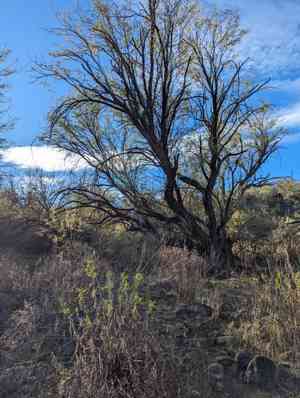
This spiny, arid-tolerant bush necessitates meticulous trimming to foster robust development. For velvet mesquite, the perfect time for pruning is in late winter or early spring, prior to the emergence of new shoots. Reducing the density of branches enhances air movement, thereby deterring illness. Eliminate any deceased or compromised wood, and contemplate decreasing the canopy's volume to preserve moisture. Trimming additionally sustains a preferred dimension and encourages blooming, elevating the plant's aesthetic appeal.
What Are the Benefits of Pruning Velvet Mesquite?
What Are the Benefits of Pruning Velvet Mesquite?
Trimming velvet mesquite promotes robust development and maintains its desired form. Thoughtful branch removal supports a strong framework and successful growth, customized for aesthetic or spatial requirements.
What Is the Best Time for Pruning Velvet Mesquite?
What Is the Best Time for Pruning Velvet Mesquite?
Trimming velvet mesquite in late winter and early spring coincides with the end of its dormant period and the start of its active growth cycle, reducing stress and aiding quick recovery. Pruning before the spring growth surge allows for efficient plant shaping and lowers the risk of disease entering through fresh cuts. Additionally, removing dead or weak branches before velvet mesquite allocates energy to new growth ensures resources are directed to healthy wood, fostering vibrant foliage and a sturdy structure. Avoid pruning during flowering or fruiting to preserve benefits for wildlife and the plant's natural reproductive cycle.
What Tools Do I Need to Prune Velvet Mesquite?
Bypass Pruners
Perfect for making precise cuts on small branches of velvet mesquite, especially those up to 3/4 inch in diameter, which is crucial for maintaining the plant's vitality.
Loppers
Featuring long handles, loppers offer leverage to cut through velvet mesquite's thicker branches, typically up to 1.5 inches in diameter, allowing for accuracy and minimizing plant damage.
Pruning Saw
Intended for velvet mesquite's branches exceeding 1.5 inches in thickness, a pruning saw helps achieve clean cuts through tough wood without causing undue stress to larger limbs.
Chainsaw
For velvet mesquite's mature and considerably thick branches or trunks, a chainsaw might be necessary, but it should be operated with care and expertise to ensure safety and plant well-being.
Pole Pruner
When reaching velvet mesquite's elevated branches that are out of arm's reach, a pole pruner can be utilized for trimming without a ladder, offering a safe method to maintain the canopy.
How to Prune Velvet Mesquite
Identify and prepare
Locate dead, diseased, and suckering growth on velvet mesquite. Gather pruning tools – hand pruners for small branches, loppers for medium limbs, and a pruning saw for thicker branches.
Clean cuts
Execute clean cuts to remove dead wood. Cut close to the trunk or main branch, avoiding stubs but not harming the collar or main limb.
Remove disease
Trim diseased branches well below the affected areas. Sanitize pruning tools between cuts with a 10% bleach solution to prevent disease transmission.
Eliminate suckers
Remove suckers at their base where they emerge from roots or the lower trunk, using a clean downward cut. Regular sucker removal is vital to maintain velvet mesquite's health and aesthetic form.
Final cleanup
Dispose of all cuttings responsibly to prevent the spread of any diseases and thoroughly clean tools after the pruning process is finished.
Common Pruning Mistakes with Velvet Mesquite
Over-pruning
Removing too much growth at once can stress velvet mesquite, potentially leading to reduced vigor or even plant demise.
Improper cut location
Cuts made too far from a bud or node can result in stubs that do not heal correctly, leaving velvet mesquite vulnerable to diseases and pests.
Tearing bark
Incorrect cutting technique may lead to bark tearing, which damages velvet mesquite's vascular system and causes unnecessary harm to the plant.
Strip bark
During pruning, it's common to accidentally strip bark from the main trunk which can severely damage velvet mesquite's health.
Tool bluntness
Using dull tools can create jagged cuts that are more prone to infection and do not heal cleanly, negatively impacting velvet mesquite's health.
Common Pruning Tips for Velvet Mesquite
Clean cuts
Make clean cuts at a 45-degree angle just above a bud or branch junction to promote faster healing and prevent disease entry for velvet mesquite.
Proper tool use
Use sharp, clean pruning tools to make precise cuts, which help minimize stress and facilitate quicker recovery for velvet mesquite.
Gradual pruning
Prune velvet mesquite gradually over several seasons if extensive pruning is necessary, rather than all at once, to avoid shocking the plant.
Shape maintenance
Prune to maintain the natural shape of velvet mesquite and open its canopy for better air circulation and light penetration, enhancing overall plant health.
Structural pruning
Focus on removing dead, diseased, or crossing branches that can cause wounds and lead to decay in velvet mesquite, maintaining its structural integrity.



