The Velvet mesquite Plant Advantage: Maximizing Home and Office Appeal and Wellness
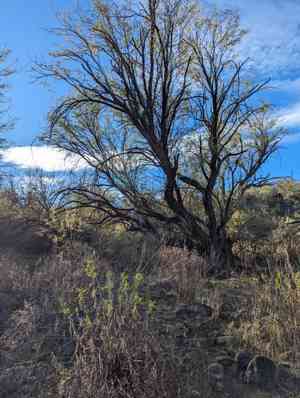
1
This species is recognized for its capacity to enrich soil with nitrogen, aiding farming areas.
2
Its timber finds application in producing premium charcoal and sturdy fence posts.
3
It offers shelter and sustenance to diverse animal life, boosting ecological variety.
How Does Velvet mesquite Improve Soil Fertility?
Nitrogen Fixation
A key advantage of Velvet mesquite is its capacity to fix nitrogen within the soil. This process is aided by the symbiotic relationship between the plant's roots and nitrogen-fixing bacteria. By converting atmospheric nitrogen into a usable form for plants, Velvet mesquite boosts soil fertility, which is especially beneficial in nutrient-deficient soils. This enhances crop yields and lessens the need for artificial fertilizers.
Organic Matter Contribution
Velvet mesquite adds organic matter to the soil through the decomposition of leaf litter. The fallen leaves and twigs break down, enriching the soil with valuable organic material, thereby improving its structure and water retention capabilities. This is particularly advantageous in dry regions where maintaining soil moisture is vital.
What Are the Economic Uses of Velvet mesquite?
High-Quality Charcoal Production
Velvet mesquite is valued for its hard, durable wood, which is excellent for producing premium charcoal. This charcoal burns hotter and longer than many other types, making it a preferred choice for grilling and industrial uses. Its production supports local economies, offering a sustainable income source for communities.
Timber and Fence Posts
The dense wood of Velvet mesquite is also utilized for crafting fence posts and lumber. Its resistance to decay and termites makes it an ideal material for building long-lasting structures. In rural areas, these fence posts are essential for marking property lines and securing livestock.
How Does Velvet mesquite Enhance Biodiversity?
Habitat Provision
Velvet mesquite offers crucial habitat for diverse wildlife, including birds, insects, and mammals. Its dense canopy provides shelter and nesting sites, while the understory offers foraging opportunities. This biodiversity is vital for maintaining healthy ecosystems.
Food Sources for Wildlife
The seeds and pods of Velvet mesquite serve as a valuable food source for many animals. Birds, livestock, and even humans consume various parts of the plant, making it an integral component of the food web in its native environments. This support helps sustain wildlife populations and promote ecological balance.
What Are the Environmental Benefits of Velvet mesquite?
Erosion Control
Velvet mesquite plays a critical role in preventing soil erosion, especially in arid and semi-arid regions. Its extensive root system stabilizes the soil, reducing the loss of topsoil during heavy rains and windstorms. This is particularly important for preserving agricultural lands and natural habitats.
Windbreaks and Shade
Planting Velvet mesquite in strategic locations can create effective windbreaks, protecting crops and reducing soil erosion. Additionally, the shade provided by its canopy helps lower ground temperatures, reducing water evaporation and conserving soil moisture. This shading effect also creates more hospitable microenvironments for other plants and animals.
Why Is Velvet mesquite Important for Sustainable Development?
Resource Renewal and Management
Velvet mesquite exemplifies a renewable resource that can be managed sustainably. By promoting its use in various sectors, we can reduce reliance on non-renewable resources and promote a more sustainable way of life. Its multiple uses, from fuel to food, underline its versatility and importance in sustainable development.
Community Empowerment
The cultivation and harvesting of Velvet mesquite can empower local communities by providing them with sustainable livelihoods. Training programs on proper management and utilization of this plant can lead to economic stability and a better quality of life for many rural populations. This empowerment fosters a stronger connection between people and their environment, promoting conservation and sustainable use of natural resources.



