How to Propagate Velvet mesquite?
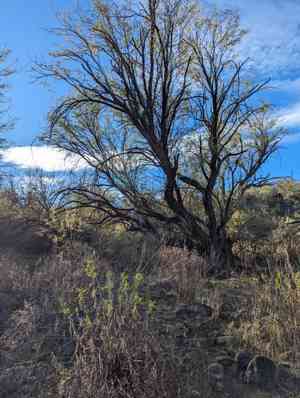
Velvet mesquite can be reproduced via dormant wood cuttings, air layering, and planting seeds in the fall and winter periods. Its propagation is quite straightforward, with indicators of success being robust growth and the emergence of fresh sprouts. When undertaking propagation, confirm that the cuttings originate from vigorous, pathogen-free specimens and are placed in a substrate that drains effectively.
Optimal Period for Velvet Mesquite Propagation
Propagation Method
Cutting
Propagation Period
Fall,Winter
Tools Required for Velvet Mesquite Propagation
Sharp pruning shears
Pruning shears are vital for obtaining healthy cuttings from velvet mesquite. Utilizing sharp, clean shears ensures precise cuts, minimizing harm to the parent plant and boosting the chances of successful rooting. This clean cut also helps lessen the possibility of disease entry.
Rooting hormone
Applying rooting hormone to the severed end of velvet mesquite cuttings encourages quicker root development and enhances the likelihood of successful propagation. The hormone stimulates root growth, which is particularly advantageous for woody species like velvet mesquite that might be more challenging to root.
Potting mix
A high-quality, well-draining potting mix is essential for propagating velvet mesquite cuttings. It offers the necessary air circulation and supports initial root growth while retaining sufficient moisture to prevent the cuttings from drying out.
Propagation tray with dome
A propagation tray with a clear dome creates a controlled humid environment for velvet mesquite cuttings. The dome helps maintain consistent moisture levels and shields the cuttings from external stressors, which is crucial for preventing desiccation during the rooting phase.
Heat mat
A heat mat positioned beneath the propagation tray provides consistent bottom warmth, which can improve root formation rates for velvet mesquite cuttings. The stable warm temperature under the propagation medium promotes faster root growth, especially in cooler climates or when ambient temperatures are not ideal.
Post-Propagation Care for Your Velvet Mesquite
Post-Propagation Care for Your Velvet Mesquite
After propagation, velvet mesquite needs full sun and can endure arid conditions. Water young plants deeply but infrequently to encourage deep root growth. Once established, velvet mesquite becomes highly drought-tolerant and requires minimal water. Provide occasional deep watering during extended dry periods, and apply a layer of mulch to conserve soil moisture. Prune to maintain the desired form and size.
Common Errors to Avoid When Propagating Velvet Mesquite
Overwatering
Propagating cuttings of velvet mesquite necessitates maintaining a balance in soil moisture. Excessive water can lead to root rot, which is detrimental to the plant as it can impede root development and decrease the probability of successful propagation.
Incorrect soil type
Using a heavily clay-rich or poorly-draining soil for velvet mesquite cuttings can hinder root growth and aeration. This error can cause waterlogging and create an environment favorable for fungal diseases.
Failing to harden off cuttings
Velvet mesquite cuttings should be gradually acclimated to outdoor conditions, being a species adapted to arid environments. Skipping this step can result in shock when cuttings are moved outdoors, potentially causing wilting or death.
Planting cuttings too deep
Inserting velvet mesquite cuttings too far into the soil can suffocate the emerging roots and prevent proper growth. Adequate aeration is necessary for the roots to develop, and deeper planting might interfere with this process.
Tips for Propagating Velvet Mesquite
Semi-hardwood cuttings
For velvet mesquite, utilizing semi-hardwood cuttings that are partially mature is advantageous. These cuttings strike a balance between flexibility and structural integrity, aiding rooting.
Moderate watering
Providing a consistent but moderate watering schedule helps velvet mesquite cuttings establish roots without the risk of rot. Overwatering should be avoided to prevent root diseases.
Well draining soil mix
Using a well-draining soil mix with sand or perlite ensures good aeration and prevents waterlogging, creating ideal conditions for velvet mesquite root development.
Rooting hormone use
Applying a rooting hormone to the cut end of velvet mesquite cuttings can encourage quicker and more reliable root formation, increasing the chances of successful propagation.



