How to Transplant Bastard guelder?
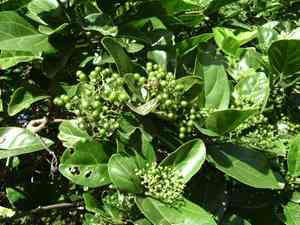
Relocate bastard guelder during the mild period from late autumn through mid-spring to ensure robust root development. Select bright, well-ventilated spots. If necessary, amend the earth to foster vigorous post-transplant growth.
What Preparations are Needed Before Transplanting Bastard Guelder?
What is the Ideal Time for Transplanting Bastard Guelder?
The perfect time to move bastard guelder is from the start of winter's cold through the gentle arrival of mid-spring. Moving bastard guelder during this period allows roots to settle in mild, stable soil conditions before summer's heat. This strategic timing promotes strong growth and reduces transplant shock, ensuring a healthy bastard guelder. Helpful hint: Use this optimal transplant season to give your bastard guelder the best start in its new spot.
How Much Space Should You Leave Between Bastard Guelder Plants?
For your bastard guelder, you'll want to provide each one ample room to expand. Aim to position them approximately 10-15 feet (3-4.6 meters) apart. This spacing helps ensure sufficient sunlight and air circulation among the plants, encouraging robust development.
What is the Best Soil Mix for Bastard Guelder Transplanting?
Bastard guelder thrives in soil that drains well and is rich in organic material. Prepare the soil by mixing in compost or a balanced slow-release fertilizer. Ensure the pH is slightly acidic to neutral for optimal growth.
Where Should You Relocate Your Bastard Guelder?
Select a location where your bastard guelder will receive full to partial sunlight. This means 6-12 hours of direct sun daily. An east or west-facing spot can be perfect to provide the gentle morning or late afternoon sun your bastard guelder will appreciate.
What Equipments Should You Prepare Before Transplantation Bastard Guelder?
Gardening Gloves
To shield your hands while handling soil and plants.
Shovel or Spade
For digging and relocating the bastard guelder plant.
Watering Can or Hose
For hydrating the bastard guelder before and after its move.
Pruning Shears
To trim any damaged roots or foliage.
Wheelbarrow or Garden Cart
To move the bastard guelder from its original spot to the new site.
Tape Measure
For correctly spacing the plants.
Mulch
To help retain moisture and suppress weeds around the bastard guelder after transplant.
How Do You Remove Bastard Guelder from the Soil?
How Do You Remove Bastard Guelder from the Soil?
From Ground: First, thoroughly water the bastard guelder plant a day prior to transplanting to moisten the soil. This will simplify the digging process and help prevent root damage. Next, use a shovel or spade to dig a wide circle around the plant, making sure to leave a generous amount of space to protect the root ball. Gently work your tool underneath to lift the bastard guelder without excessively disturbing the roots.From Pot: Start by watering the soil in the pot to facilitate the smoother removal of the bastard guelder. Tilt the pot sideways and support the bastard guelder by the base of its stem with one hand. Use your other hand to gently tap the bottom and sides of the pot to loosen the root ball. Carefully ease the plant out of the pot, being careful not to pull too hard on the stem.From Seedling Tray: Ensure the seedlings are well-hydrated before beginning. Gently press from the bottom of the seedling tray cell to push the root ball upwards. Grasp the seedling by its leaves rather than its more delicate stem, and carefully ease it out of the cell to keep the root structure intact.
Step-by-Step Guide for Transplanting Bastard Guelder
Preparing the New Site
Dig a hole in the ground that is twice as wide and equally deep as the root ball of your bastard guelder plant. Amend the removed soil with organic matter if necessary to improve its structure.
Plant Removal
Refer to the specific removal method based on whether your bastard guelder plant is coming from the ground, a pot, or a seedling tray to ensure minimal root disturbance during extraction.
Positioning bastard guelder
Place the bastard guelder so the top of its root ball is level with the surrounding soil surface. This ensures the plant is not set too deep or too shallow.
Backfilling
Gently but firmly refill the hole with the amended soil around the bastard guelder's root ball. Ensure there are no air pockets by compacting the soil as you proceed.
Watering In
Thoroughly water the bastard guelder immediately after planting to settle the soil around the roots and to hydrate the plant.
Mulching
Apply a layer of mulch around the base of the bastard guelder, being careful to leave some space around the stem to prevent rot.
How Do You Care For Bastard Guelder After Transplanting?
Staking
If your bastard guelder plant is tall or in a windy area, provide support with stakes or a plant cage to keep it upright.
Root Establishment
Continue to water the bastard guelder regularly to encourage root growth, but avoid overwatering which can lead to root rot.
Inspecting
Regularly check your bastard guelder for signs of stress or pests. Early detection makes management easier.
Pruning
Prune any damaged or dead branches to help the bastard guelder focus its energy on establishing new growth.
Troubleshooting Common Issues with Bastard Guelder Transplantation.
When's the best time to transplant bastard guelder?
Move bastard guelder during the cooler months, from late autumn to mid-spring, to promote root establishment.
How far apart should bastard guelder be spaced when transplanting?
Bastard guelder thrive best with ample room, so aim to space them 10-15 feet (3-4.5 meters) apart.
Why are my bastard guelder's leaves wilting after transplanting?
Wilting may occur due to transplant shock. Ensure proper watering and avoid direct sunlight for a few days.
What soil conditions favor bastard guelder's transplantation success?
Bastard guelder prefers well-draining soil. Amend compact soil with compost to enhance texture and nutrients.
How deep should I dig when transplanting bastard guelder?
Dig a hole twice the width of the root ball and equal in depth to allow roots to spread easily.
Can I transplant bastard guelder during hot summer months?
It's best to avoid the summer heat. Transplant when it's cooler to reduce transplant stress and water loss.
How do I water bastard guelder after transplanting?
Water deeply after transplanting to settle the soil around roots, then maintain consistent moisture without overwatering.
Should bastard guelder be pruned before transplanting?
Light pruning can be beneficial. Remove damaged or dead branches to focus the plant's energy on root development.
How can I help bastard guelder acclimate to its new location?
Protect bastard guelder from strong winds initially, provide shade from harsh sun, and keep soil moisture consistent.
What signs indicate bastard guelder is not adapting well after transplanting?
Stunted growth, leaf drop, or discoloration can signal poor adaptation. Review watering, light, and soil conditions.



