How to Prune Bastard guelder?
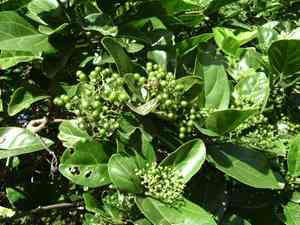
This woody plant, recognized for its vigorous development and abundant leaves, flourishes with appropriate pruning. For bastard guelder, remove any lifeless or frail branches to preserve its form and well-being. Reduce the density of the inner sections to improve air movement and light exposure, which are crucial for strong development. The most suitable period for pruning is in winter when the plant is inactive, as this prevents undue strain on bastard guelder during its active growth periods and reduces the likelihood of illness. Consistent pruning results in a more compact structure and can enhance flowering in blooming types of this species.
What Are the Benefits of Pruning Bastard Guelder?
What Are the Benefits of Pruning Bastard Guelder?
Trimming bastard guelder promotes robust development by eliminating lifeless or congested branches, thereby enhancing air movement and sunlight exposure. It also aids in preserving the desired form for visual appeal and garden design consistency.
What Is the Best Time for Pruning Bastard Guelder?
What Is the Best Time for Pruning Bastard Guelder?
Winter is the optimal period for pruning bastard guelder due to its dormant state. This timing is ideal because the reduced metabolic activity means less stress for bastard guelder when branches are cut. Furthermore, with leaves typically shed, the plant's structure is more visible, allowing for more precise pruning decisions. Trimming in winter also avoids disrupting the natural spring growth surge, enabling bastard guelder to recover quickly and direct energy towards new growth when the season begins. Additionally, pruning before spring helps prevent disease spread, as many pathogens are less active in cold weather. This strategic timing ensures cuts heal faster, reducing infection risk. Winter pruning also aligns with the plant's flowering cycle, as it generates vigorous growth in spring and summer, leading to robust flowering or fruiting.
What Tools Do I Need to Prune Bastard Guelder?
Hand Pruners
Ideal for making clean cuts on smaller branches and twigs of bastard guelder, ensuring minimal harm to plant tissues.
Loppers
Perfect for severing thicker stems and branches of bastard guelder that hand pruners cannot manage, offering good leverage and a greater cutting capacity.
Pruning Saw
Essential for removing larger limbs too thick for hand pruners and loppers. A saw with a curved blade can improve cutting efficiency.
Hedge Shears
Suitable for shaping the denser foliage of bastard guelder, allowing for uniform trimming of hedges or shrubbery.
Pole Pruner
Useful for reaching elevated branches without a ladder. An extendable pole pruner helps maintain bastard guelder at a desired height and form.
How to Prune Bastard Guelder
Inspection
Examine bastard guelder closely to identify dead or diseased branches. Look for indicators such as discoloration, absence of leaves, or fungal growth.
Disinfect
Before any cuts, ensure pruning tools are clean and sanitized to prevent disease transmission. Use a solution of one part bleach to nine parts water to sterilize blades.
Cutting Dead Branches
Carefully remove dead branches by cutting just above a live node or bud, ensuring not to damage surrounding bark or stems. Use sharp, appropriate-sized pruning shears or saws depending on branch thickness.
Cutting Diseased Branches
When trimming diseased branches, cut well past the infected area to ensure all diseased tissue is removed. Disinfect tools immediately after cutting a diseased branch before proceeding to the next cut.
Clean Up
Dispose of all removed dead and diseased material away from bastard guelder to minimize the risk of reinfection or spread to other plants. Do not compost diseased plant material.
Common Pruning Mistakes with Bastard Guelder
Over-Pruning
Removing too much foliage at once can stress bastard guelder, leading to poor growth or even plant death. This species responds best to moderate pruning.
Improper Cuts
Cutting too far from a bud or leaving too long a stub can cause dieback and disease entry. Make clean cuts close to a bud while avoiding damage to it.
Neglecting Tools
Using dull or dirty tools can result in ragged cuts that are more susceptible to pests and diseases. It's crucial to use sharp, sterilized pruning tools for clean cuts.
Neglect Of Plant Shape
Random or excessive cutting without considering the natural form of bastard guelder can result in an unsightly plant. Pruning should enhance its natural shape.
Ignoring Dead Material
Failing to remove dead, damaged, or diseased branches can hamper the plant's vigor and open pathways for pest infestation.
Flush Cutting
Making cuts flush against the trunk can damage the branch collar, leading to improper healing. Always cut just outside the branch collar.
Common Pruning Tips for Bastard Guelder
Healthy Growth
Focus on removing only dead, damaged, or diseased branches to promote healthy growth, as bastard guelder often requires minimal pruning.
Thin Out
Thin out dense areas to improve light penetration and air circulation, which are key to reducing the risk of disease in bastard guelder.
Encourage Flowering
Selective pruning of older, non-productive stems can encourage flowering. Cut these stems back to a younger, vigorous side branch or shoot.
Maintain Shape
While bastard guelder can be pruned into various shapes, maintenance pruning should aim to retain and enhance its natural form.
Gradual Rejuvenation
If rejuvenation of an overgrown bastard guelder is necessary, it should be done gradually over a few seasons to avoid shocking the plant.



