Enhancing Your Garden Design with the Bastard guelder Plant: A Landscaping Guide
1
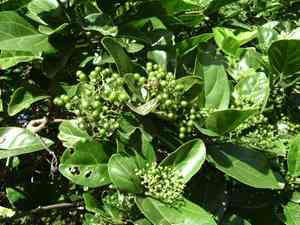
Viburnum opulus is a adaptable shrub suitable for diverse garden designs, ranging from contemporary to classic.
2
It serves as an impressive centerpiece or can delineate garden boundaries and perimeters.
3
Correct positioning, appropriate soil, and adequate irrigation are essential for Viburnum opulus's best development.
Exploring Bastard guelder: A Distinctive Addition to Your Garden
Fundamental Overview â What is Bastard guelder?
When selecting flora for your outdoor space, Bastard guelder emerges as a singular and captivating option. Recognized for its unique foliage and adaptable use in garden design, Bastard guelder can significantly elevate the visual charm of any setting. Incorporating Bastard guelder into your garden introduces an element of refinement and allure, making it an excellent candidate for gardeners aiming to cultivate a visually engaging environment.
Growth Patterns â Understanding Its Shape and Dimensions
Grasping the growth characteristics of Bastard guelder is vital for its successful integration into your garden. Typically, Bastard guelder's size and form can vary, developing as either a shrub or a small tree depending on conditions. It generally exhibits a dense, bushy growth habit, capable of reaching considerable heights and widths if allowed to fully mature. This adaptability means you can sculpt it to suit your landscape's specific requirements, whether you desire a towering specimen or a compact bush.
How Bastard guelder Enhances Various Landscaping Styles
Contemporary Designs â Adding Structure and Sophistication
For those favoring modern landscape aesthetics, Bastard guelder is an outstanding selection. Its capacity to provide structure through its sturdy and visually striking form offers a clean and refined appearance. The plantâs neatly arranged leaves and overall neatness can complement the geometric and minimalist elements often found in modern gardens, fostering a balanced and harmonious visual appeal.
Classic Gardens â Boosting Timeless Allure
Conversely, Bastard guelder also benefits traditional gardens by amplifying their enduring charm. Its luxuriant foliage and textured look can impart depth and vibrancy, perfectly complementing classic garden features like blooming plants, rustic stone pathways, and water elements. By strategically placing Bastard guelder among more traditional components, you can forge a seamless blend that embodies grace and elegance.
Minimalist Spaces â Utilizing Bastard guelder for Simple Beauty
If you prefer a minimalist garden design, Bastard guelder proves to be a suitable inclusion. Its inherent simplicity and straightforward beauty align well with minimalist principles, where less is more. By using Bastard guelder sparingly as a solitary feature or subtly integrating it into a minimalist setting, you can achieve a tranquil and uncluttered space that still possesses significant visual appeal.
Integrating Bastard guelder into Different Landscape Features
Key Features â How to Make Bastard guelder a Central Element
Establishing Bastard guelder as a focal point in your garden is a strategy guaranteed to attract notice and admiration. Planting it in a prominent spot where it can stand out â such as at the end of a path or in the middle of a lawn â allows its distinct qualities to shine. To amplify its role as a centerpiece, consider planting ground covers beneath it or surrounding it with complementary plants that accentuate its attributes.
Borders and Edges â Using Bastard guelder to Delineate Areas
Bastard guelder is also perfect for creating natural boundaries and defining distinct zones within your landscape. Its dense growth makes it suitable for lining walkways, edges, and perimeters, offering a verdant, leafy contrast to other garden elements. This not only enhances the garden's framework but also provides practical advantages like ensuring privacy or guiding foot traffic.
Mixed Plantings â Companion Plants for Bastard guelder
Incorporating Bastard guelder into mixed plantings can enrich your garden's diversity and visual appeal. Considering companion plants that thrive in similar conditions, such as flowering perennials or other shrubs with contrasting leaf textures and colors, will result in a harmonious and dynamic garden. The key is to select plants that complement Bastard guelder's form and do not compete too aggressively for resources.
Care Guidelines for Thriving Bastard guelder in Your Landscape
Sunlight and Placement â Optimizing Growth
To ensure Bastard guelder flourishes in your landscape, correct placement is essential. Bastard guelder typically favors locations with ample sunlight but can endure partial shade. Positioning it where it receives morning sun and afternoon shade can maximize growth and vitality. Analyze your garden's light patterns throughout the day to pinpoint the ideal spot for planting Bastard guelder.
Soil Choices â Best Types for Peak Health
Selecting the appropriate soil is another crucial aspect of Bastard guelder's upkeep. This plant thrives best in well-draining soil with a balanced pH level. Adding organic matter or compost to the soil can improve its structure and fertility, supplying Bastard guelder with the nutrients needed for vigorous growth. Always ensure the soil is not waterlogged, as this can harm the roots and overall plant health.
Watering Needs â Ensuring Sufficient Moisture
Proper watering practices are vital for a healthy Bastard guelder. While it requires consistent watering, especially during dry periods, the goal is to maintain steady soil moisture without overwatering. During the plantâs initial establishment phase, ensure the soil remains consistently moist, gradually reducing the frequency as the plant matures and develops a more extensive root system.



