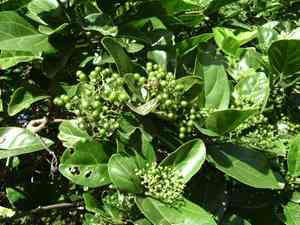
Bastard guelder (Premna serratifolia)
Also known as: Headache tree, Arni, Aghada, False prantaa, Kharvik
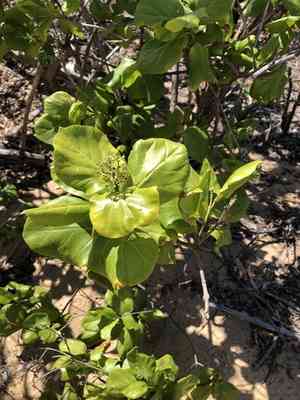
The Bastard guelder (Premna serratifolia) is a tropical shrub with glossy dark green leaves, frequently seen in parks and gardens. During its flowering season, it attracts a variety of pollinators, including bees, butterflies, and beetles. Notably, Emerald Sweat Bees are among the insects drawn to its nectar and pollen.
In This Article
Attributes of Bastard guelder
Lifespan
Perennial
Plant Type
Tree, Shrub
Plant Height
7 m
Spread
2 to 4 meters
Leaf Color
Green
Flower Size
2.5 cm to 4.5 cm
Flower Color
White Green
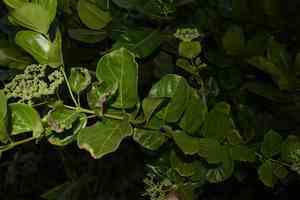
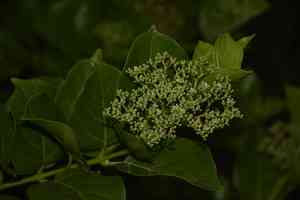
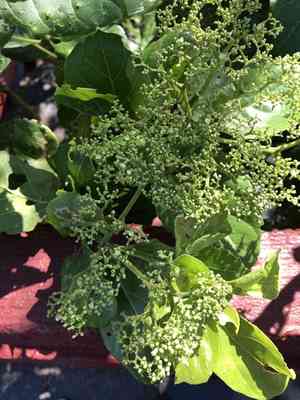
Images of Bastard guelder
Quickly Identify Bastard guelder
1
The tree can be identified by its serrated leaves, which are oval to ovate in shape and have a rough texture. The flowers are small, mostly white, and grow in clusters.
Scientific Classification of Bastard guelder
Phylum
Vascular plants
Class
Dicotyledons
Order
Lamiales
Family
Mint
Genus
Premna
Species
Bastard guelder
Planting and Growing of Bastard guelder
Care Difficulty
Easy
Watering Schedule
Every 3 days
Sunlight Requirements
Full sun
Sunshine Duration
4-8 hours
Ideal Temperature
68-86℉
Soil Type
Potting Mix, Peat Mix
Soil pH
5.5-7.5
Fertilizer Type
Balanced
Pruning Season
Spring, Summer
Pruning Area
Branches, Leaves
Pruning Frequency
2 times a year
Repotting Season
Spring
Pot Type
Plastic, Ceramic
 How to Water Bastard guelder?
When watering Premna serratifolia, ensure the soil is evenly moist but not waterlogged. The top inch of soil should dry out between waterings to prevent root rot. This strategy helps maintain consistent moisture levels without over-saturation.
What are the symptoms of an underwatered Bastard guelder?
›
What should I do if my Bastard guelder is not getting enough water?
›
What are the symptoms of an overwatered Bastard guelder?
›
How to save an overwatered Bastard guelder?
›
 What Are the Sunlight Requirements for Bastard guelder?
Premna serratifolia's ideal light range is partial to full sunlight. The benefit of providing this range ensures adequate energy for photosynthesis, thereby promoting strong growth and vibrant coloring in foliage.
More About Sunlight Requirements Techniques→
Question: What type of light does Premna serratifolia prefer?
›
Question: How to manage light exposure for Premna serratifolia in varied climates?
›
Question: What are the benefits of maintaining ideal light conditions for Premna serratifolia?
›
 What Is the Ideal Temperature Range for Bastard guelder?
The ideal temperature range for Premna serratifolia, also known as the Serrated-leaf Premna, is between 68°F and 86°F. This range provides the best conditions for its metabolic processes and physiological functions. Maintaining temperatures within this range ensures the plant achieves optimal growth, foliage density, and flowering potential.
 What Soil is Best for Bastard guelder?
Premna serratifolia thrives in well-drained soils. A well-drained soil prevents waterlogging, which can lead to root rot, thus ensuring the health and vitality of the plant. The plant prefers nutrient-rich soils, which provide essential nutrients for growth. Rich soils help in promoting lush foliage and robust stems. Soils that retain moderate moisture are ideal. They ensure that the plant has consistent access to water, without stressing it from drought or excess moisture.
 How to Fertilize Bastard guelder?
Premna serratifolia generally requires moderate fertilization. For liquid fertilizers, a diluted solution at half the recommended strength is sufficient per feeding. With granular or slow-release fertilizers, apply about 1 ounce (28 grams) per square foot, ensuring it is well mixed into the soil.
 How to Prune Bastard guelder?
To prune Premna serratifolia, you'll need a pair of sharp, sterilized pruning shears. Begin by inspecting the plant for any dead, damaged, or diseased branches. Cut these branches back to a healthy part of the plant or completely remove them if necessary. Focus on areas where branches cross over or crowd each other, which helps improve air circulation. Trim back any excessively long or unruly branches to maintain the plant's desired shape and encourage bushier growth. Remember to make clean cuts at a slight angle just above a leaf node to promote optimal healing.
More About Pruning Techniques→
 How to Propagate Bastard guelder plant?
1
Collect mature seeds from the plant, ideally when the pods have dried and started to crack open. Ensure that the seeds are fully ripe to increase germination success rates.
2
Select healthy stems and cut them to a length of about 6-8 inches. Remove the leaves from the lower half of the cutting to prevent rot and promote root development.
3
Sow seeds in a well-draining potting mix, lightly covering them with soil. Keep the soil consistently moist and place the tray in a warm, bright location.
 How to Repot Bastard guelder plant?
1
Premna serratifolia signals the need for repotting when its roots start circling the pot, growth seems stunted, or water drains through the pot unusually fast. These are clear signs that it's time to give its roots more space to expand.
2
Select a pot that is 1-2 inches larger in diameter than the current one. This prevents excessive moisture accumulation and offers the roots just enough room to grow. Ensure the pot has drainage holes to facilitate proper water dispersal, promoting healthier roots and reducing root rot risk.
3
Opt for a well-draining soil mix composed of peat, perlite, and a bit of sand. This combination allows adequate aeration and prevents waterlogging, ensuring the plant thrives. The ideal soil retains enough moisture for nutrient uptake while allowing excess to drain away efficiently.
Learn More About Bastard guelder Diseases
Anthracnose
Bacterial Leaf Spot
Bacterial Soft Rot
Bacterial Wilt
Black Spot
Chemical Injury
Crown Gall
Damping-off
Downy Mildew
Drought Stress
Fusarium Wilt
Gray Mold
Leaf Curl
Leaf Spot
Mosaic
Nutrient Deficiency
Nutrient Toxicity
Powdery Mildew
Root Rot
Root-knot Nematode
Rusts
Sooty Mold
Spider Mites
Temperature Stress
Thrips Damage
White Mold



