How Much Sunlight Do Bastard guelder Need?
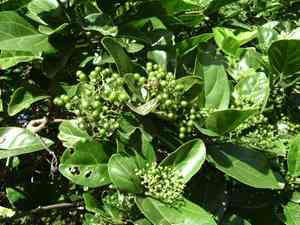
1
Bastard guelder flourishes in bright sun, needing over 6 hours of direct light each day.
2
Though it endures some shade, peak development and blooming happen with abundant sun exposure.
3
Excessive sun may result in burned foliage, whereas inadequate light can cause elongated stems.
What are the Light Requirements for Bastard guelder?
Optimal Light for Robust Development
Bastard guelder, a hardy shrub, thrives best in full sun. This means it needs at least 6 hours of direct sunlight daily for optimal growth. When situated in a location with ample sunlight, this plant develops strong foliage and vibrant blooms. Full sun aids in efficient energy production, making the plant more resilient and disease-resistant.
Partial Shade Tolerance
While Bastard guelder flourishes in full sun, it can also tolerate some partial shade. In such conditions, it will still grow but may not achieve its peak performance. Partial shade is more suitable in areas with extremely hot summers, where intense midday sun might otherwise stress the plant. However, for the most impressive flower display and healthy leaves, prioritize planting in full sun whenever possible.
How Does Light Influence Bastard guelder's Growth?
Photosynthesis and Energy Creation
Sunlight is essential for photosynthesis, the process by which Bastard guelder converts light energy into chemical energy to fuel its development. Sufficient sunlight enhances photosynthesis, leading to more vigorous growth and improved plant health. Without adequate light, the plant's energy production decreases, which can hinder its development and reduce its overall vitality.
Effect on Blooming and Fruiting
The amount of sunlight Bastard guelder receives directly impacts its ability to flower and produce fruit. With abundant sunlight, the plant is more likely to yield a profusion of flowers, which subsequently leads to better fruiting. Conversely, insufficient sunlight may result in fewer or less vibrant blooms, diminishing the plant's aesthetic appeal and its capacity to bear fruit.
What Occurs If Bastard guelder Gets Too Little or Too Much Light?
Indicators of Insufficient Light
When Bastard guelder lacks adequate sunlight, it displays several clear signs. These include leggy or elongated stems, as the plant stretches towards the light, and paler leaves, indicating inadequate photosynthesis. You might also observe reduced flowering and general weakness in its structure. Monitoring these signs can help in promptly relocating the plant to a brighter spot.
Consequences of Light Overexposure
Just as insufficient sunlight causes issues, overexposure can also be harmful. Excessive sunlight, especially during peak summer, can scorch the leaves, leading to browning or sunburned patches. Prolonged exposure to extreme sun and heat may stress the plant, causing wilting despite adequate watering. Using shade cloths during the hottest part of the day can alleviate such effects.
Best Practices for Managing Light for Bastard guelder
Optimal Planting Locations
For cultivating Bastard guelder, selecting the correct planting site is crucial. Choose a spot that receives ample morning sunlight and some afternoon shade, particularly in warmer climates. Avoid planting the shrub in overly shaded areas, as this will impede its growth and flowering potential.
Utilizing Shade Cloths and Structures
In regions with particularly intense sunlight, employing shade cloths can be very beneficial. These cloths provide a balance, allowing enough light for photosynthesis while protecting against the harsh afternoon sun. Installing pergolas or positioning the plant near taller trees or structures can also offer intermittent shade, especially during the peak sun hours.
Seasonal Adjustments in Light Exposure
Light exposure requirements can vary slightly with the seasons. During spring and fall, when the sun is less intense, Bastard guelder can tolerate more direct sunlight throughout the day. However, in the scorching summer months, it's wise to observe the plant for signs of stress and provide additional shading if necessary. Adjusting the plantâs position or using temporary shade solutions can help maintain its health year-round.



