How to Transplant Geranium aralia?
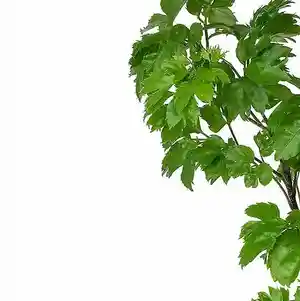
To achieve optimal outcomes, relocate geranium aralia during the prime period of early to mid-spring. This provides the plant sufficient duration to anchor its root system in the new environment. Select a site featuring adequately draining soil and dappled sunlight for peak development. Confirm appropriate distances between plants, and if required, incorporate organic material to enhance the soil's quality.
Preparations Required Before Relocating Geranium Aralia
Optimal Period for Geranium Aralia Relocation?
Indeed, the prime season for moving your geranium aralia is from the onset of early spring to the peak of mid-spring. This timeframe provides the best conditions for your geranium aralia to develop a strong root system before the warmer months. Transplanting at this point allows your geranium aralia to benefit from mild spring weather, minimizing shock and promoting vigorous growth. Let's ensure your garden shines with the captivating allure of a thriving geranium aralia!
Recommended Spacing Between Geranium Aralia Plants?
When relocating geranium aralia, it's advisable to position them 24-36 inches (60-90 cm) apart. This spacing allows ample room for growth and guarantees sufficient sunlight and air circulation.
Ideal Soil Blend for Geranium Aralia Relocation?
For geranium aralia, opt for well-draining soil with a pH that is slightly acidic to neutral. A mixture of loam and sand is perfect. Incorporate a slow-release, balanced granular fertilizer, such as 14-14-14 NPK, for essential nutrients.
Where to Replant Your Geranium Aralia?
When moving geranium aralia, choose a spot that receives bright, indirect sunlight. It will thrive best in areas with partial shade. Avoid placing geranium aralia in intense direct sunlight, as this can damage its leaves.
Equipment to Prepare Before Transplanting Geranium Aralia
Gardening Gloves
These protect your hands from scratches or pokes from the plant's foliage while handling it.
Trowel
This tool is essential for loosening the soil around the geranium aralia and creating a hole in the new planting site.
Watering Can
Useful for properly hydrating the geranium aralia before and after its relocation.
Pruning Shears
These will assist in trimming any dead or dying leaves or branches on the plant to encourage better growth post-transplant.
Mulch
This is a crucial material for retaining soil moisture after transplanting, aiding in the proper initial growth of the geranium aralia.
How to Extract Geranium Aralia from the Soil?
How to Extract Geranium Aralia from the Soil?
From Ground: Use your trowel to loosen the soil around the base of the geranium aralia. Ensure enough space to accommodate the root ball without causing damage. Once the soil is loose, gently lift the plant, making sure the root ball remains intact.From Pot: Begin by watering the geranium aralia generously to ensure the root ball slides out easily. Invert the pot, holding the plant's base, then tap the pot's rim on a firm surface until the plant emerges.From Seedling Tray: Water the tray first. Then, carefully pull the geranium aralia seedling out by grasping its leavesânever its stemâand tugging very lightly.
Step-by-Step Guide for Relocating Geranium Aralia
Preparation
Water the geranium aralia thoroughly and allow it to absorb moisture for several hours. This reduces the plant's susceptibility to root shock during relocation.
Hole Digging
Dig a hole approximately twice the size of the geranium araliaâs root ball using a trowel.
Transplanting
Place the geranium aralia in the hole, ensuring the top of the root ball is level with the soil surface. Backfill the hole with soil.
Watering
Immediately after transplanting, water the geranium aralia generously to help settle the soil and eliminate air pockets.
Mulching
Add a layer of mulch around the plant, but keep it away from the stem to help the soil retain moisture.
Post-Transplant Care for Geranium Aralia
Pruning
Trim any withered leaves or stems. This helps redirect the geranium aralia's energy towards new growth.
Watering
Continue to water the geranium aralia regularly, but avoid overwatering. The goal is to keep the soil moist, not saturated.
Observation
Monitor the geranium aralia closely for the first few weeks. Transplant shock might cause yellowing leaves, but if new growth appears soon after, your plant is likely recovering well.
Addressing Common Issues with Geranium Aralia Relocation.
What's the best time of year to move geranium aralia?
The ideal time to relocate geranium aralia is from early to mid-spring. This allows ample time for establishment before colder weather arrives.
How much space should be between each geranium aralia plant?
Provide each geranium aralia with about 24-36 inches (60-90 cm) of space. This enables roots to spread, maximizing their chances of thriving.
What kind of soil is recommended for relocating geranium aralia?
Geranium aralia prefers well-drained soil rich in organic matter. Excessive clay or silt can impede root establishment, so consider amending your garden soil with compost or conditioner first.
How deep should I plant geranium aralia?
The hole should be twice as wide and the same depth as the plant's root ball. Its top should sit level with the ground surface once placed in the hole.
Should I water geranium aralia immediately after transplanting and how often afterward?
Yes, water geranium aralia immediately after transplanting. Water regularly for the first two weeks, then gradually reduce frequency once established. Remember, overwatering can be as detrimental as underwatering.
How much sunlight does geranium aralia need once it's relocated?
Geranium aralia thrives in full sun to partial shade. Consider its light requirements to ensure it has the optimal spot in your garden.
Is it necessary to stake geranium aralia after transplanting?
If geranium aralia is tall or the location is windy, staking might be needed for support. Remove the stake once the plant is established and can stand firmly on its own.
What if geranium aralia leaves turn yellow after transplanting?
Yellow leaves might indicate overwatering or a nutrient deficiency. Reduce watering and provide a balanced, slow-release fertilizer to correct this issue and help geranium aralia adapt to its new environment.
When should I apply fertilizer after relocating geranium aralia?
Wait 2-4 weeks after transplanting before applying any fertilizer. This gives geranium aralia time to recover from transplant shock and develop new roots.
What should I do if geranium aralia doesnât grow even after following all these steps?
If geranium aralia shows no signs of growth or improvement, it's best to consult a local gardening expert. They can help diagnose any potential problems or care errors.



