Boost Growth: How and When to Repot Your Geranium aralia Plant
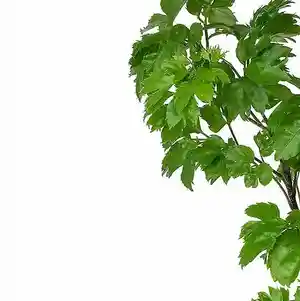
1
Transplanting Geranium aralia is ideally performed in spring or winter for enhanced development.
2
Observe indicators such as roots emerging from drainage openings or stunted growth to determine repotting time.
3
Utilize a container with adequate drainage to avert root decay.
Gauging When to Replant Your Geranium Aralia
Recognizing indicators that your Geranium aralia requires a new container
A primary sign your Geranium aralia needs replanting is when roots emerge from the drainage openings. This clearly shows the plant has outgrown its current vessel. Furthermore, if growth significantly slows despite proper care, or the soil dries out too quickly post-watering, a larger pot might be necessary. Yellowed foliage and a top-heavy appearance can also signal a need for repotting. Observing these cues helps ensure your plant continues to flourish.
Optimal periods for repotting to ensure peak development
The best times to repot your Geranium aralia are during spring and winter. These seasons offer ideal conditions for the plant to establish itself in a new container before the more active growth phase begins. Repotting in spring leverages longer daylight hours and increased growth. Conversely, winter repotting allows the plant to recover and adapt during its slower growth period. Correctly timing your repotting efforts gives your Geranium aralia the best chance for vigorous growth and adjustment.
Selecting the Appropriate Pot and Substrate for Geranium Aralia
Choosing a suitable container - size, material, and drainage considerations
When choosing a new container for your Geranium aralia, size and material are critical. Select a pot 5-10 cm (2-4 inches) wider in diameter than the current one to provide ample space for root expansion. Ensure the pot has adequate drainage holes to prevent water accumulation, which can lead to root decay. Materials like terracotta are excellent as they are porous and promote better root aeration. However, plastic pots can also function well if they have sufficient drainage.
The ideal soil mixture for Geranium aralia - components for a thriving specimen
A well-draining soil blend is crucial for your Geranium aralia's health. A good mix includes equal parts potting soil, peat moss, and perlite or sand. This combination ensures superior drainage while retaining enough moisture for the plant's requirements. Additionally, incorporating a slow-release fertilizer or organic compost can supply vital nutrients, fostering overall growth and vitality. Avoid dense soils that hold water as they can cause root rot and other issues.
Detailed Guide to Replanting Geranium Aralia
Preparing your workspace and gathering necessary implements
Begin by preparing a clean workspace and collecting the required tools for repotting your Geranium aralia. You'll need a new pot, fresh potting mix, gloves, a trowel, and a watering can. Lay down newspapers or a plastic sheet to catch any spilled soil. Having everything ready and accessible will streamline the process.
Gently extracting your plant from its current container
To remove your Geranium aralia from its current pot, gently tilt the container and tap its sides to loosen the soil and roots. Carefully slide the plant out, supporting its base to avoid damaging the root system. If the plant resists, you can use a butter knife to gently loosen the edges. Be careful not to pull on the stem as it can cause breakage.
Examining and trimming the root system if necessary
Once the plant is out of its pot, inspect the roots for any signs of health problems like decay or disease. Trim away any dead or excessively long roots with clean scissors or pruning shears. Healthy roots should be white or light brown and firm. If you notice any soft or darkened roots, remove them to prevent further damage.
Placing Geranium aralia in the new pot and refilling with soil
Place a small amount of fresh soil at the bottom of the new pot, then position your Geranium aralia in the center. Begin adding soil around the sides, gently pressing it down to eliminate air pockets. Fill the pot until the soil level is about 2.5 cm (1 inch) below the rim to allow space for watering. Give the pot a gentle tap to help the soil settle.
Post-repotting care: Watering and initial placement
After repotting, water your Geranium aralia thoroughly until water drains from the bottom holes. This helps settle the soil and provides essential initial moisture. Place the plant in a shaded area for the first few days to allow it to adapt to the new pot before returning it to its usual spot. Monitor soil moisture closely, ensuring it remains slightly damp but not saturated.
Common Errors to Avoid When Replanting Geranium Aralia
Excessive watering immediately after repotting
A common error is overwatering your Geranium aralia right after repotting. The plant's roots require time to adjust to the new soil. Provide a thorough watering immediately after repotting, but then allow the top layer of soil to dry out before watering again. This prevents waterlogging and root decay.
Utilizing a container with inadequate drainage
A pot with insufficient drainage can cause significant problems for your Geranium aralia, such as root rot. Always ensure your new pot has enough drainage holes to allow excess water to escape. If your pot lacks holes, consider adding some or placing a layer of stones at the bottom to improve drainage.
Overly aggressive root trimming
While removing damaged roots is crucial, excessive pruning can stress your Geranium aralia. Only trim dead or overly long roots and avoid cutting more than 20% of the total root mass. Healthy roots are vital for the plant's recovery and growth, so handle them with care.



