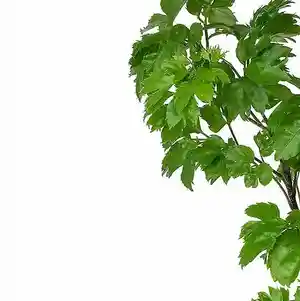
Geranium aralia (Polyscias guilfoylei)
Also known as: Panax guilfoylei, Aralia guilfoylei, Polyscias crispata
The Fukien Tea Tree, originating from tropical Asia, is a shrub that can reach considerable heights if left unpruned, developing sturdy, spreading branches. This plant is highly adaptable to shaping, making it popular for creating bonsai trees and hedges. Its green foliage occasionally features white or yellow margins.
Attributes of Geranium aralia
Images of Geranium aralia
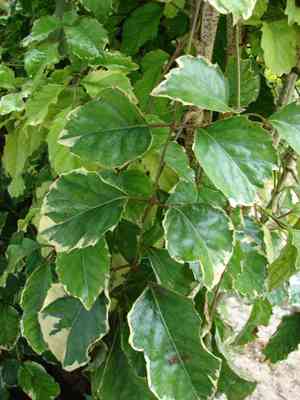
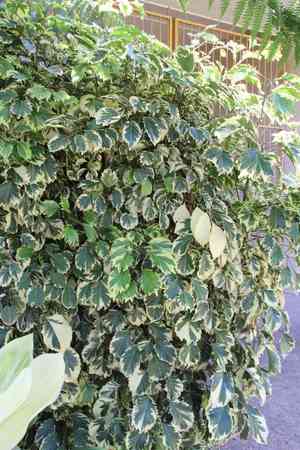
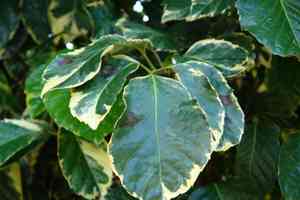
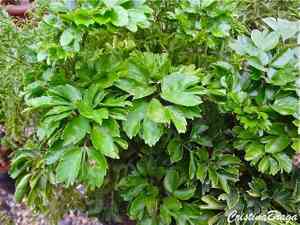
Quickly Identify Geranium aralia
Scientific Classification of Geranium aralia
Planting and Growing of Geranium aralia
 How to Water Geranium aralia?
 What Are the Sunlight Requirements for Geranium aralia?
 What Is the Ideal Temperature Range for Geranium aralia?
 What Soil is Best for Geranium aralia?
 How to Fertilize Geranium aralia?
 How to Prune Geranium aralia?
 How to Propagate Geranium aralia plant?
 How to Repot Geranium aralia plant?
Toxicity of Geranium aralia
Is Geranium aralia toxic to cat?
The leaves of the geranium aralia (Polyscias guilfoylei) possess mild to moderate toxicity for cats, leading to skin irritation upon contact, and gastrointestinal issues if ingested. If a substantial quantity is consumed, your feline may exhibit symptoms such as loss of appetite and vomiting. Seek advice from your veterinarian for treatment if any of these symptoms appear.
Is Geranium aralia toxic to dog?
Geranium aralia poses a mild toxicity risk to dogs. Ingesting its leaves or stems, or coming into contact with its sap, may lead to irritation in the mouth, skin, or digestive tract. Signs of a serious reaction to geranium aralia include excessive pawing at the mouth, profound thirst, skin itching or blistering, as well as symptoms like vomiting, diarrhea, and swelling in the face, nose, or throat. It is essential to consult a veterinarian if dogs exhibit severe symptoms or show significant discomfort. Fortunately, geranium aralia poisoning is seldom serious enough to result in permanent injury.



