How to Overwinter Geranium aralia
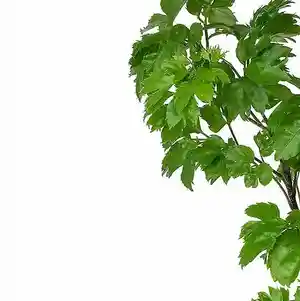
1
Geranium aralia flourishes optimally in temperatures ranging from 18-24°C (64-75°F).
2
Maintain humidity levels between 50-60% for the well-being of indoor Geranium aralia.
3
Inspect for common pests such as spider mites and aphids prior to moving your Geranium aralia inside for the colder season.
Why Overwinter Geranium aralia?
Why Overwinter Geranium aralia?
As the cold season approaches, ensuring the survival of your delicate plants becomes a top concern. Geranium aralia (Polyscias guilfoylei) is a tropical species that cannot withstand frost. However, by bringing it indoors for winter, you can shield it from harsh cold conditions and maintain its vitality all year. Overwintering is crucial to prevent the plant from succumbing to freezing temperatures and to preserve its lush foliage.
Preparing Geranium aralia for Overwintering
Inspecting for Pests and Diseases
Before relocating your Geranium aralia indoors, it's vital to check it for pests and diseases. Pests like spider mites, aphids, and scale can cause significant harm if not addressed promptly. Examine the undersides of leaves and the stem for any signs of infestation. If you spot any pests, consider treating the plant with a gentle insecticidal soap or neem oil. Resolving these issues before moving the plant inside will prevent the spread of pests to other indoor plants.
Pruning and Cleaning the Plant
Pruning your Geranium aralia before winter benefits its overall health and helps control its size. Remove any dead, yellowing, or damaged leaves, as well as any leggy growth. This not only improves the plant's appearance but also promotes better air circulation, reducing the risk of mold and mildew. Additionally, gently wash the leaves with water to remove dust and any lingering pests. A clean plant is more efficient in photosynthesis and will adapt better to indoor conditions.
Ideal Indoor Conditions for Geranium aralia
Optimal Temperature Range
To help your Geranium aralia thrive indoors, maintain a temperature range between 18-24°C (64-75°F). Avoid placing the plant near drafty windows or heating vents, as sudden temperature changes can stress the plant. Consistent, moderate temperatures are key to keeping your Geranium aralia healthy during winter.
Humidity Requirements
Geranium aralia prefers a humid environment. Aim to keep indoor humidity levels around 50-60%. If your home is dry during the winter, consider using a humidifier or placing a tray of water near the plant. You can also mist the plant regularly to maintain adequate humidity. Ensuring the right humidity levels prevents the leaves from drying out and edges from browning.
Lighting Needs
Sufficient lighting is crucial for Geranium aralia during the winter months. Position the plant in a spot where it can receive bright, indirect sunlight for at least 6-8 hours daily. If natural light is insufficient, especially in northern regions with shorter days, supplement with a grow light to provide the necessary light intensity. Proper lighting ensures continued growth and prevents the plant from becoming leggy.
Watering and Feeding During Overwintering
Adjusting Watering Frequency
During winter, Geranium aralia's growth slows, so it requires less water compared to the active growing season. Water the plant when the top 2 inches (5 cm) of soil feel dry to the touch. Avoid letting the soil dry out completely or becoming waterlogged. Overwatering can lead to root rot, which is detrimental to the plant's health. Always use lukewarm water to avoid shocking the roots.
Fertilizing Considerations
Since Geranium aralia's growth rate slows in winter, reduce the frequency of fertilization. A mild, balanced liquid fertilizer every six to eight weeks is sufficient to provide the necessary nutrients without causing over-fertilization. Always dilute the fertilizer according to the label instructions to prevent fertilizer burn.
Monitoring and Maintaining Geranium aralia
Routine Checks for Plant Health
Regularly check your Geranium aralia for any signs of stress, such as wilting, yellowing leaves, or leaf drop. These could indicate problems with watering, lighting, or humidity. Early detection allows you to make necessary adjustments to the care regimen. Rotate the plant every few weeks to ensure even light exposure and prevent it from leaning towards the light source.
Addressing Common Issues
Common issues that may arise during overwintering include leaf drop, pest infestations, and mold growth. If leaf drop occurs, evaluate your watering schedule and make sure the plant is not in a draft. For pest infestations, continue to monitor the plant and use insecticidal soap if necessary. Mold can be managed by ensuring good air circulation and avoiding excess moisture. Proactively managing these issues will keep your Geranium aralia in good health.



