How to Prune Geranium aralia?
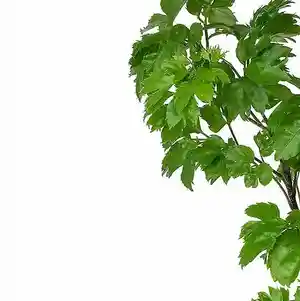
A dense, verdant perennial with patterned leaves, geranium aralia flourishes with consistent trimming to preserve its form and foster density. The most effective time for pruning is in winter, preceding the emergence of spring growth. Employ selective cuts to eliminate elongated, lifeless, or overly dense branches, thereby improving light exposure and airflow. Advantages of pruning encompass revitalized development, controlled dimensions, and a refined look, concurrently deterring ailments. Always employ sanitized, keen implements to lessen strain on geranium aralia.
What Are the Benefits of Pruning Geranium Aralia?
What Are the Benefits of Pruning Geranium Aralia?
Trimming geranium aralia promotes vigorous development and preserves its intended shape, crucial for its decorative appeal and vitality.
What Is the Best Time for Pruning Geranium Aralia?
What Is the Best Time for Pruning Geranium Aralia?
Winter pruning is considered ideal for geranium aralia because the plant is typically dormant due to lower temperatures and reduced daylight. This dormancy period minimizes plant stress, as its energy needs are lower, and cuts will have less impact on its overall health. Additionally, the absence of leaves at this time provides a clearer view of the plant's structure, allowing for more precise and strategic cuts. This timing also avoids disrupting the growth cycle or any potential flowering or fruiting periods in other seasons, ensuring the plant's energy is properly allocated for vigorous spring growth. Winter pruning allows for strong recovery and a flush of new growth once the growing season begins.
What Tools Do I Need to Prune Geranium Aralia?
Bypass Pruners
Perfect for making clean cuts, bypass pruners are suitable for trimming the relatively slender branches of geranium aralia. These pruners operate like scissors, providing neat cuts that encourage better healing.
Long-Handled Loppers
Essential for reaching higher or deeper branches within the geranium aralia, loppers extend your reach while providing the leverage needed to cut thicker stems without harming the plant.
Pruning Saw
A pruning saw might be necessary for the occasional thicker branches of mature geranium aralia plants that bypass pruners or loppers cannot handle. It's designed to cut on the pull stroke, reducing effort and providing a clean cut.
Gardening Gloves
To shield hands from scratches and ensure a better grip when using pruning tools, gardening gloves are indispensable. Geranium aralia may have small thorns or rough textures that could cause irritation.
Sanitizing Agent
Using alcohol or a bleach solution to disinfect tools between cuts helps prevent the spread of disease among geranium aralia plants. Clean tools after finishing the pruning session.
How to Prune Geranium Aralia
Step1: Health and Structure Assessment
Evaluate the overall health and structure of geranium aralia before starting. Identify all dead leaves, wilted branches, and diseased sections to determine the extent of pruning required.
Step2: Tool Sanitization
Sanitize your pruning tools using a solution of one part bleach to nine parts water to prevent the spread of disease.
Step3: Dead Leaf Removal
Begin by removing dead leaves by gently pulling them off or snipping them at the base using clean, sharp scissors, ensuring not to damage any healthy tissue.
Step4: Weak Branch Pruning
Identify wilted or weak branches and cut them back to a main stem or healthy outward-facing leaf node. Make angled cuts just above the node to promote water runoff and discourage disease.
Step5: Diseased Section Excision
Carefully remove any diseased sections of geranium aralia, cutting back to healthy wood well below the affected area. If an entire branch is diseased, remove it at the base by cutting just outside of the branch collar, which is the slight swelling where the branch meets the stem.
Step6: Density Thinning for Airflow
Thin out dense areas to improve air circulation, cutting select branches back to their point of origin. Ensure the remaining branches have enough space to receive ample light and air, which reduces the risk of disease.
Step7: Aesthetic Shaping of Plant
Shape geranium aralia as desired for aesthetic or space management purposes. Keep your cuts strategic and minimal to maintain the health and natural form of the plant.
Step8: Post-Pruning Cleanup
After pruning, clean up all debris from the surrounding area to decrease the likelihood of pest or disease issues.
Step9: Post-Pruning Watering
Water geranium aralia adequately after pruning to help it recover and seal its wounds more efficiently.
Step10: Post-Pruning Monitoring
Monitor geranium aralia for signs of stress or disease in the weeks following pruning and provide appropriate care as needed.
Post-Pruning Care for Geranium Aralia
Post-Pruning Care for Geranium Aralia
After pruning geranium aralia, immediately water the soil to reduce stress and aid recovery. Maintain a bright but indirect light environment and keep the humidity high, as geranium aralia thrives in moisture-retentive conditions. Slightly elevate the ambient temperature to foster growth. Apply a balanced, diluted fertilizer to nourish geranium aralia once signs of new growth appear. Regularly inspect for wilting, discoloration, or pests, taking immediate action if any of these stress indicators are present.
Common Pruning Mistakes with Geranium Aralia
Excessive Pruning
Trimming too much at once, which can stress geranium aralia and hinder its recovery. Removing more than one-third of the foliage in one session is inadvisable.
Severe Old Wood Cutting
Cutting into old wood. Geranium aralia may not readily produce new growth from old wood, so gardeners should avoid cutting back the plant too severely to this point.
Using Dull or Dirty Tools
Using dull or unclean tools, which can damage the plant's branches and lead to disease. Tools should be sharp and sanitized before use.
Improper Cutting Techniques
Making improper cuts that can leave stubs or damage the collar of the branch. Cuts should be clean and just above leaf nodes.
Ignoring Dead or Diseased Branches
Neglecting to remove dead, diseased, or crossing branches during pruning, which can result in a less healthy plant and reduce air circulation.
Common Pruning Tips for Geranium Aralia
Sharp, Clean Cut Application
Use sharp, clean pruning shears to make precise cuts, which will minimize damage and promote faster healing.
Shape Maintenance and Node Cutting
Prune to maintain the desired shape and size of geranium aralia, cutting back to just above a leaf node or lateral branch.
Thinning for Light and Airflow
Thin out crowded areas to improve light penetration and air movement within the canopy, helping to prevent fungal diseases.
Prompt Dead Foliage Removal
Remove dead and diseased foliage as soon as it's noticed to maintain the health of geranium aralia and prevent the spread of pathogens.
Stimulate New Growth through Pruning
Encourage new growth by pruning leggy branches back to a healthy set of leaves or nodes, which will stimulate the plant to branch out more.
Respect Plant's Natural Growth Habit
Consider the natural growth habit of geranium aralia when pruning; aim to enhance its structure rather than altering it radically.
Pruning to Direct New Growth
Prune strategically to manage the direction of new growth by cutting above a leaf node facing the direction you want the new branch to grow.



