How to Transplant Coast jointweed?
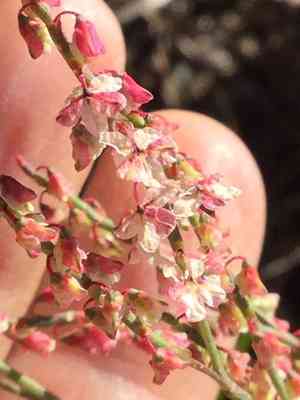
For best results, coast jointweed flourishes when moved from early spring through late spring, allowing for superior root development. Select a bright spot with soil that drains effectively. During the transfer process, handle the root system delicately to safeguard its inherent strength.
Necessary Preparations Before Relocating Coast Jointweed?
Optimal Period for Moving Coast Jointweed?
Embrace the spring warmth for coast jointweed's roots! Relocating during the 'season of new beginnings' ensures coast jointweed flourishes with consistent development, thanks to mild temperatures and sufficient rainfall.
Required Spacing Between Coast Jointweed Plants?
When placing your coast jointweed, ensure each has adequate room to flourish. A separation of 9-12 inches (approximately 23-30 cm) can be highly beneficial. This provides each plant ample area to establish and grow without competing for nutrients and sunlight.
Ideal Soil Mixture for Coast Jointweed Relocation?
Prepare your coast jointweed's new home with soil that drains well. They prefer a slightly acidic environment, so aim for a pH just below neutral. Amend the ground with a balanced, slow-release fertilizer to give your coast jointweed a nutrient-rich start. It will reward you with vigorous growth!
Where to Replant Your Coast Jointweed?
Your coast jointweed enjoys absorbing sunlight, much like we appreciate a sunny day at the beach! Locate a spot in your garden that receives full sun for most of the day. This will be their perfect sunbathing area, helping them thrive beautifully.
Equipment Needed Before Transplanting Coast Jointweed?
Gardening Gloves
To safeguard your hands while handling soil and plants.
Shovel or Spade
For excavating the plant from its original spot and digging the new hole.
Garden Trowel
For detailed work or minor soil adjustments.
Watering Can or Hose
To hydrate the plant before and after its move.
Wheelbarrow or Garden Cart
To move the coast jointweed if necessary.
Pruning Shears
To trim any damaged roots or foliage.
Measuring Tape
To ensure correct spacing between plants when relocating multiple specimens.
How to Extract Coast Jointweed from the Ground?
How to Extract Coast Jointweed from the Ground?
From Ground: First, moisten the soil around the coast jointweed plant. Then, dig a wide trench around the plant using a shovel or spade, ensuring the plant's root ball remains intact. Carefully work the spade beneath the root ball to lift the plant from its initial position.From Pot: Gently tilt the pot sideways and tap the bottom to loosen the soil and roots. Grasp the base of the coast jointweed plant and carefully slide it out while supporting the root ball with your other hand.From Seedling Tray: Use a garden trowel or a spoon to gently scoop out the seedling. Make sure to include the roots and attached soil to avoid disturbing the root system.
Step-by-Step Guide for Relocating Coast Jointweed
Prepare the New Site
Excavate a hole in the ground that is twice the width and the same depth as the coast jointweed's root ball to prevent planting it too deeply.
Examine the Root Ball
Inspect the root ball of your coast jointweed for any indications of pests or diseases. Trim off any broken or excessively long roots to encourage fresh growth.
Positioning the Plant
Place the coast jointweed into the hole, ensuring it stands upright. The top of the root ball should be level with the surrounding soil surface.
Backfill the Hole
Refill the hole with the excavated soil, gently tamping it down to eliminate air pockets. Avoid compacting the soil too tightly as this can impede root development.
Water Thoroughly
Water the coast jointweed immediately after transplanting to settle the soil around the roots and help minimize transplant shock.
Post-Transplant Care for Coast Jointweed?
Mulching
Apply a layer of organic mulch around the base of the coast jointweed to help retain soil moisture and regulate soil temperature.
Monitoring
Observe your coast jointweed closely for the initial few weeks, looking for signs of stress such as drooping leaves or discoloration.
Additional Watering
Provide extra water during dry spells as the coast jointweed establishes its roots in the new location.
Pruning
Only prune damaged or dead foliage to encourage the coast jointweed to direct energy into establishing its root system rather than recovering leaves.
Staking or Supports
If the coast jointweed is tall or appears unstable, consider using stakes or other supports to prevent leaning or wind damage.
Troubleshooting Common Issues with Coast Jointweed Relocation.
Why is my coast jointweed drooping after being moved?
Drooping could be due to shock. Ensure you're transplanting during cooler periods of early to late spring and water sufficiently.
What's the optimal spacing for coast jointweed to flourish after relocation?
For best growth, position your coast jointweed approximately 9-12 inches (23-30 cm) apart. This provides ample room for development and air circulation.
How do I prepare the soil for moving coast jointweed?
Prepare well-draining soil rich in organic matter. Loosen the soil to facilitate root expansion and enhance nutrient absorption.
What should I do if coast jointweed leaves turn yellow after being moved?
Yellowing leaves can indicate over-watering or inadequate drainage. Ensure the soil drains properly and adjust your watering routine.
How deep should I plant coast jointweed when relocating?
Plant coast jointweed so the root ball is level with the soil surface. Planting too deeply can lead to stem rot.
Can I move coast jointweed during the summer?
Relocating coast jointweed in summer can increase stress and water loss; it's best done in early to late spring for successful establishment.
How do I water coast jointweed after relocation?
Water coast jointweed thoroughly after planting and maintain moist soil for the first few weeks to aid root establishment.
What to do if coast jointweed isn't growing after being moved?
Be patient, as coast jointweed may experience transplant shock. Ensure it receives adequate sunlight, watering, and no competition from weeds.
Should I fertilize coast jointweed after relocation?
Wait a few weeks before fertilizing to avoid damaging new roots. Use a balanced, slow-release fertilizer according to product instructions.
How can I protect coast jointweed from pests during relocation?
Regularly check for pests. Use appropriate, non-invasive methods like neem oil or insecticidal soap as preventative measures.



