How to Propagate Coast jointweed?
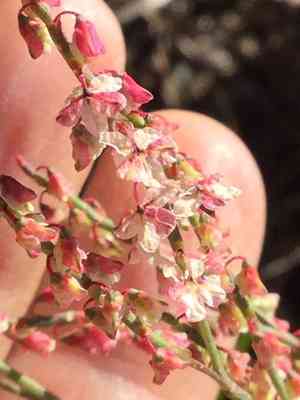
Polygonella articulata, a distinctive variety, flourishes in sandy substrates and littoral zones. To achieve successful cultivation, gather mature seeds meticulously. Plant them in a substrate that drains effectively, preserving adequate humidity and warmth to encourage sprouting. Adhering to these recommendations enhances the likelihood of nurturing robust development, crucial for Polygonella articulata's successful integration into an appropriate environment.
Optimal Time for Coast Jointweed Propagation
Propagation Method
Seeding
Propagation Period
Spring
Tools for Coast Jointweed Propagation
Seed trays
Seed trays are vital for initiating coast jointweed's seeds in a regulated setting. Their individual compartments prevent overcrowding and facilitate easy management during early growth. These tools ensure consistent soil depth and moisture, essential for coast jointweed germination.
Fine-grained soil mix
A fine-textured soil blend, specifically a sandy loam, is crucial for coast jointweed due to its need for good drainage. This soil type retains adequate moisture without waterlogging, promoting healthy root development vital for coast jointweed's tiny seeds.
Misting bottle
A misting bottle gently waters seeds without disturbing them. The fine mist evenly distributes moisture, ideal for coast jointweed germination. Overhead watering can dislodge small seeds like coast jointweed, so a misting bottle keeps them intact and moist.
Heat mat
A heat mat can boost coast jointweed germination. This tool maintains a steady soil temperature, critical for many plant species, including coast jointweed. Consistent warmth from the heat mat ensures quicker and more uniform seed sprouting.
Grow lights
If propagated indoors or in low-light, grow lights provide the necessary light spectrum for coast jointweed's photosynthesis and growth. They are especially useful in winter or areas with insufficient natural sunlight.
Labeling materials
Labels and markers are important for recording sowing dates and species, especially when managing multiple varieties. For coast jointweed, which may not be easily identifiable when young, proper labeling prevents misidentification and ensures correct care.
How to Propagate Coast Jointweed?
Propagation Type
Simple
Caring for Newly Propagated Coast Jointweed
Caring for Newly Propagated Coast Jointweed?
Post-propagation, it's crucial to monitor coast jointweed for sufficient water, especially in dry conditions, as it prefers a balance of moisture and good drainage. Minimal fertilization is needed; excess can hinder growth. As coast jointweed matures, little maintenance is typically required beyond occasional weeding and pest checks. Given its adaptation to sandy, low-nutrient soils, avoid over-enrichment, which can lead to poor health or reduced vigor.
Common Mistakes to Avoid When Propagating Coast Jointweed
Overwatering
Excessive watering can cause root rot in coast jointweed, which naturally prefers drier conditions. Saturated soil compromises coast jointweed's root health, leading to stunted growth or plant demise.
Deep planting
Planting coast jointweed too deeply can result in stem and root rot due to excessive moisture and poor air circulation at the stem base. This diminishes the overall vigor and propagation success of coast jointweed.
Neglecting light needs
Failure to provide adequate sunlight for coast jointweed can lead to weak, elongated growth, as it naturally thrives in full sun. Insufficient light impairs the plant's ability to photosynthesize effectively, crucial for its vitality and propagation.
Using overly rich soil
Coast jointweed flourishes in sandy, well-drained soils. Using overly fertile or compact soil can lead to poor root aeration and excessive moisture retention, which are unsuitable for coast jointweed's growth requirements.
Tips For Propagating Coast Jointweed
Stem cuttings
Utilizing stem cuttings is an effective method for propagating coast jointweed. Ensure cuttings are taken from robust, disease-free plants and placed in well-draining soil to encourage healthy root development.
Adequate sunlight
Providing full sun conditions supports healthy growth in coast jointweed. Sufficient sunlight enhances photosynthesis, which is vital for the energy needs of new plants growing from cuttings or seeds.
Correct soil mix
Employing a well-draining, sandy soil mix helps prevent root rot and supports the natural habitat conditions of coast jointweed. This mimics coast jointweed's original growing environments, aiding in successful propagation.
Moisture management
Ensure the soil is moist but never waterlogged. Proper moisture levels are critical for coast jointweed, especially during the root establishment phase in propagation. This prevents water stress and supports healthy new growth.



