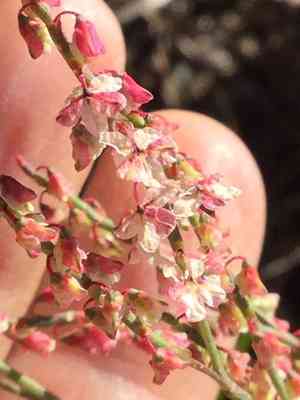
Coast jointweed (Polygonella articulata)
Also known as: Jointweed, Small-flowered jointweed
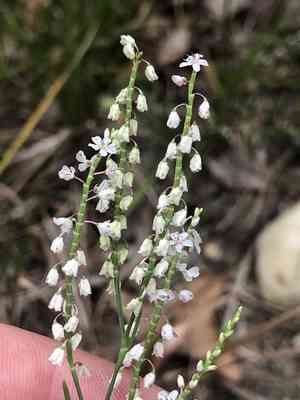
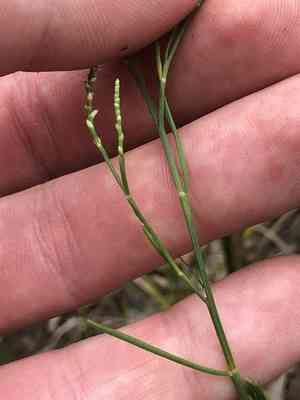
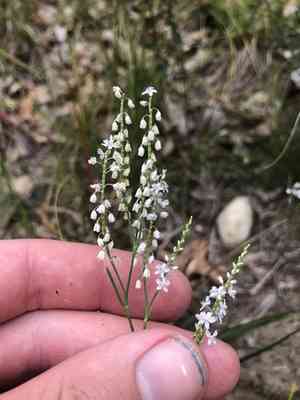
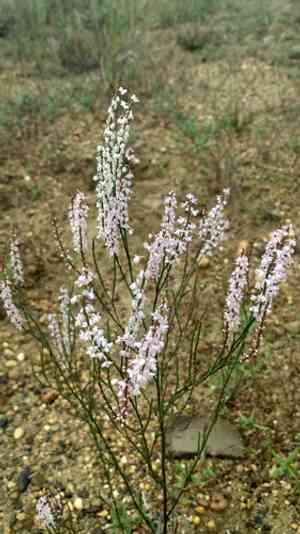
Coast jointweed is a slender, perennial herb that flourishes in sandy, well-drained environments, commonly located in coastal regions and sandy fields. Its thin, jointed stems with tiny leaves provide a unique, understated beauty. The plant produces small, pink or white flowers and is highly adapted to arid conditions, making it well-suited for dry, nutrient-poor habitats.
In This Article
Attributes of Coast jointweed
Lifespan
Perennial
Plant Type
Herb, Shrub
Plant Height
10 cm to 51 cm
Spread
N/A
Leaf Color
Green
Flower Size
1-2 mm
Flower Color
White Pink
Images of Coast jointweed
Quickly Identify Coast jointweed
1
Look for slender, jointed stems and small clusters of tiny white or pink flowers. The plant typically grows in sandy environments and can be found in open, disturbed areas.
Scientific Classification of Coast jointweed
Phylum
Vascular plants
Class
Dicotyledons
Order
Caryophyllales
Family
Buckwheat
Genus
Polygonella
Species
Coast jointweed
Planting and Growing of Coast jointweed
Care Difficulty
Easy
Watering Schedule
Every 2 days
Sunlight Requirements
Full sun
Sunshine Duration
4-6 hours
Ideal Temperature
68-77℉
Soil Type
Potting Mix, Peat Mix
Soil pH
6.5-7.5
Fertilizer Type
Balanced
Pruning Season
Spring, Summer
Pruning Area
Branches, Leaves
Pruning Frequency
2 times a year
Repotting Season
Spring
Pot Type
Plastic, Terracotta
 How to Water Coast jointweed?
For Polygonella articulata, each watering session should deliver around 250 ml of water. This species benefits from a consistent yet moderate level of moisture—enough to enjoy a healthy growth but never so much to risk root rot. The key is to water until the soil is moistened without leaving it soggy.
What are the symptoms of an underwatered Coast jointweed?
›
What should I do if my Coast jointweed is not getting enough water?
›
What are the symptoms of an overwatered Coast jointweed?
›
How to save an overwatered Coast jointweed?
›
 What Are the Sunlight Requirements for Coast jointweed?
Ideal light for Polygonella articulata is full to partial sun, giving it 6-8 hours of sunlight a day. This balance supports optimal growth, vibrant foliage, and abundant flowering.
More About Sunlight Requirements Techniques→
What type of sunlight does Polygonella articulata prefer?
›
How can I ensure Polygonella articulata gets ideal lighting?
›
What are the benefits of ideal light for Polygonella articulata?
›
 What Is the Ideal Temperature Range for Coast jointweed?
The ideal temperature range for growing Polygonella articulata is between 68°F to 77°F. This range ensures optimal growth and flowering, providing the plant with conditions similar to its natural habitat. Within this temperature window, photosynthesis rates are likely optimal, promoting vigorous growth and resilience.
 What Soil is Best for Coast jointweed?
Polygonella articulata thrives in well-drained soils that prevent waterlogging. Good drainage allows the roots to access ample oxygen, crucial for healthy growth, thus preventing root rot and fostering a robust plant structure. This plant can flourish in nutrient-poor soils, which means it doesn't require rich, fertile soil to thrive. This adaptability makes it an excellent choice for environments where other plants might struggle, saving on fertilizers. With an ideal pH range of 6.5 to 7.5, Polygonella articulata bridges both slightly acidic and neutral soils. This pH facilitates optimal nutrient absorption, particularly crucial for key nutrients like phosphorus and iron.
 How to Fertilize Coast jointweed?
Polygonella articulata is not particularly demanding in terms of fertilizer; however, a balanced approach is essential. For liquid fertilizers, use approximately half the recommended strength on the packaging to avoid overwhelming the plant. For slow-release fertilizers, apply according to the manufacturer's instructions, usually a few tablespoons around the base of the plant annually.
 How to Prune Coast jointweed?
To prune Polygonella articulata, start by identifying any dead or damaged stems. Make clean cuts at the base of these stems, ensuring not to leave stubs. Keep the plant’s shape by selectively thinning overgrown areas to encourage air circulation. Focus on maintaining a compact and tidy shape by trimming back overextended branches. This encourages a fuller appearance and ensures the plant does not become leggy over time.
More About Pruning Techniques→
 How to Propagate Coast jointweed plant?
1
Soak the seeds in warm water for 24 hours before planting to enhance germination rates. Use a well-draining, sandy soil mix for optimal growth.
2
Select a healthy stem and cut a 4-6 inch piece just below a node. Remove the leaves from the lower half to reduce moisture loss during rooting.
3
Dip the cut end in rooting hormone and plant it in a pot with a mix of peat and perlite. Keep the soil moist but not waterlogged.
 How to Repot Coast jointweed plant?
1
Polygonella articulata shows it’s ready for a new pot when its roots start peeking out of drainage holes or circling at the soil's surface. Early signs can also include stunted growth or reduced flowering, indicating it's time for a roomier home.
2
Select a pot that is one to two inches larger in diameter than the current one. Terracotta pots work well as they provide good aeration, helping to keep the soil from becoming too soggy, which is beneficial for the plant's root health.
3
Opt for a well-draining sandy mix to replicate its natural habitat. This ensures that the plant doesn't suffer from root rot by allowing excess water to escape quickly, maintaining an ideal moisture level for its growth.



