How to Prune Coast jointweed?
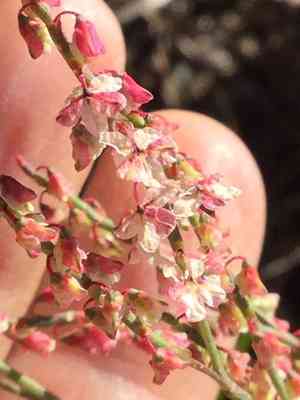
A member of the Polygonaceae family, coast jointweed is a slender, erect perennial distinguished by its segmented stalks and diminutive blossoms. Trim coast jointweed in late spring or early summer to foster more abundant leaves and control its form. Sever deceased stems at their base and shorten living stems just above the points where leaves emerge. Performing this trimming during these periods coincides with its vigorous growth stage, facilitating robust regeneration. Consistent trimming prevents excessive elongation, preserves an appealing structure, and boosts its capacity to produce flowers.
What Are the Benefits of Pruning Coast Jointweed?
What Are the Benefits of Pruning Coast Jointweed?
Trimming coast jointweed is crucial for fostering robust development and maintaining its desired shape. Strategic cuts help revitalize the plant, ensuring a dense, healthy structure and enhancing its visual appeal.
What Is the Best Time for Pruning Coast Jointweed?
What Is the Best Time for Pruning Coast Jointweed?
Pruning coast jointweed in the Spring is beneficial as this period marks the start of its active growth cycle, allowing the plant to quickly recover from pruning wounds and stimulate new growth in the coming seasons. Early Summer is also optimal for trimming coast jointweed, following the flowering period. This timing ensures that the plant has finished its annual blooming, and pruning can be done before it directs energy towards seed production, thereby focusing resources on healthy foliage and root development. Seasonal pruning during these times helps maintain the plant's structure, vigor, and appearance without disrupting its natural life cycle.
What Tools Do I Need to Prune Coast Jointweed?
Bypass Hand Pruners
Perfect for making clean cuts on coast jointweed's slender stems without crushing plant tissue, facilitating faster healing.
Gardening Scissors
Useful for detailed trimming and the removal of small, delicate stems or leaves of coast jointweed.
Pruning Saws
Although coast jointweed typically does not have thick branches, a small pruning saw might be necessary for larger, woody stems that hand pruners cannot manage.
How to Prune Coast Jointweed
Disinfect Tools
Before beginning the pruning process, sanitize your pruning shears and any other tools you will use to prevent spreading diseases to coast jointweed. Clean the tools with a solution of 1 part bleach to 9 parts water or use alcohol wipes for disinfection.
Identify Parts
Inspect coast jointweed carefully to locate diseased leaves, withered leaves, and diseased stems. Look for any parts of the plant that show signs of discoloration, spots, or decay as these are indicators of disease or poor health.
Trim Diseased Leaves
Using the sterilized pruning shears, carefully remove diseased leaves from coast jointweed by cutting at the base of the leaf stem. Ensure you make clean cuts without tearing to promote faster healing.
Trim Withered Leaves
Similarly, trim any withered leaves from coast jointweed. These are leaves that have dried up or turned brown and no longer contribute to the plant's health. Cut these leaves at the point where they meet healthy tissue.
Trim Diseased Stems
Carefully remove diseased stems from coast jointweed by making cuts just above healthy leaf nodes or buds. Stems should be cut at a 45-degree angle to discourage water accumulation and encourage new growth from the remaining healthy portions.
Common Pruning Mistakes with Coast Jointweed
Over-Pruning
Removing too much foliage from coast jointweed can weaken the plant and reduce its ability to photosynthesize efficiently.
Improper Cutting
Making cuts that are either too close or too far from the node can damage coast jointweed and impede its natural growth pattern.
Using Dull Tools
Pruning with dull instruments can cause jagged cuts that are more prone to disease and pests.
Neglecting Tool Hygiene
Coast jointweed is susceptible to disease transfer when tools are not sanitized between uses or when pruned while wet, which encourages disease spread.
Common Pruning Tips for Coast Jointweed
Selective Pruning
Thin out the oldest and weakest stems of coast jointweed to allow light and air to reach the interior, which encourages stronger, more vigorous growth.
Sharp Clean Tools
Always use sharp, clean pruning shears or scissors to ensure precise cuts that will heal quickly, minimizing stress on coast jointweed.
Angled Cuts
Make cuts at a slight angle away from the bud to prevent water accumulation and minimize disease risks.
Post-Pruning Care
After pruning coast jointweed, provide appropriate water, nutrients, and mulch to aid in recovery and promote robust growth.



