Enhancing Your Garden Design with the Coast jointweed Plant: A Landscaping Guide
1
Coast jointweed is suitable for both structured and relaxed garden designs.
2
The yearly transformations of Coast jointweed provide an engaging aesthetic for your outdoor space.
3
Incorporating Coast jointweed into your landscape can benefit native fauna and enhance the environment.
Appreciating the Visuals of Coast Jointweed
What aesthetic qualities does Coast jointweed offer your garden?
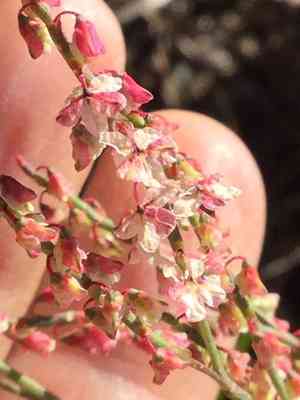
When thinking about adding Coast jointweed to your garden, its distinct visual appeal is a primary consideration. Coast jointweed features a unique form with slender, segmented stems that form an intricate design in your landscape. Its delicate, fine-textured leaves provide a soft element to garden beds, contrasting with more robust plant types. The overall shape of Coast jointweed lends a light, airy feel to garden arrangements, allowing it to function as either a filler or a prominent feature.
How do Coast jointweed's color and structure enhance outdoor areas?
The color scheme of Coast jointweed is another compelling reason to include it in your landscape plan. This plant typically displays green stems that shift to reddish tones, particularly noticeable in autumn. The interplay between its green and red shades can subtly yet effectively boost the visual depth of outdoor spaces. Coast jointweed's form, with its slender, flowing growth habit, adds movement and fluidity to garden beds, creating an engaging and dynamic visual experience.
Seasonal transformations and their effect on Coast jointweed's appearance
A key characteristic of Coast jointweed is its capacity to transform with the seasons, offering a continuously evolving display. During spring and summer, Coast jointweed's green foliage presents a fresh and vibrant look. As seasons transition to autumn, the plant adopts reddish hues, enriching the garden's color palette. These seasonal shifts ensure Coast jointweed remains a visually impactful element in your garden throughout the year, adapting to and accentuating the changing environment.
Incorporating Coast Jointweed into Various Landscape Styles
Pairing Coast jointweed with structured garden designs
For those who appreciate formal garden layouts, Coast jointweed can be a refined selection. Its organized growth pattern complements the precise lines and shapes characteristic of formal gardens. Placing Coast jointweed along borders or pathways can direct the eye and emphasize the symmetry of the area. Furthermore, Coast jointweed can serve as an elegant backdrop for more prominent features like fountains, statues, or topiaries, adding depth and texture without overshadowing the main attractions.
Utilizing Coast jointweed in natural, relaxed environments
Conversely, Coast jointweed thrives in natural, informal garden settings. Its unconstrained growth and minimal care requirements align perfectly with informal landscaping principles. Plant Coast jointweed in groupings to mimic natural plant communities, fostering a sense of organic flow and untamed beauty. It pairs well with other native plants and can be used to soften path edges, create transitions between different garden zones, or provide a loose, natural aesthetic that encourages exploration and tranquility.
Combining Coast jointweed with other plants for a unified look
To achieve a harmonious landscape design, it's crucial to thoughtfully integrate Coast jointweed with other plant species. Consider its height, color, and texture when planning your garden. Pair Coast jointweed with taller perennials or shrubs to introduce layers and depth. For a mix of colors and textures, combine it with flowering plants that bloom in complementary shades. Ground covers and low-growing plants can be positioned at its base to create a full, lush appearance. This combination of plants will result in a cohesive and aesthetically pleasing garden space.
Practical Advantages of Including Coast Jointweed in Your Yard
Ecological benefits of cultivating Coast jointweed
Integrating Coast jointweed into your yard provides several environmental advantages. It is well-suited to coastal conditions, making it effective for stabilizing soil and preventing erosion in areas susceptible to wind and water damage. This plant can also flourish in poor, sandy soils where other plants might struggle, contributing to biodiversity and the resilience of the local ecosystem. Moreover, Coast jointweed can help improve soil health by encouraging microbial activity and increasing organic matter.
Maintenance considerations: Is Coast jointweed a low-effort addition?
A significant benefit of Coast jointweed is its minimal maintenance needs. Once established, this plant is relatively drought-tolerant, reducing the necessity for frequent watering. Its resistance to pests and diseases further contributes to its low-care nature, allowing gardeners to enjoy its beauty with little effort. Regular upkeep involves minor pruning to maintain its shape and vigor, making it an ideal choice for those seeking a hassle-free yet visually appealing garden addition.
How Coast jointweed supports local wildlife and ecosystems
Adding Coast jointweed to your landscape can play a vital role in sustaining local wildlife and ecosystems. This plant offers habitat and food for various insects, birds, and other small creatures, promoting biodiversity. Its blossoms attract pollinators, including bees and butterflies, which are essential for the health of your garden and the wider environment. By incorporating Coast jointweed into your yard, you contribute to the creation of a flourishing and balanced ecosystem.
Landscaping Projects Featuring Coast Jointweed
Case studies: Real-world examples of Coast jointweed in landscaping
Real-world examples demonstrate the adaptability and beauty of Coast jointweed in landscaping projects. For instance, coastal gardens have successfully utilized Coast jointweed to create wind-resistant plantings that maintain structure and appeal in harsh conditions. In urban environments, Coast jointweed has been integrated into rooftop gardens and green walls, showcasing its versatility across various settings. These case studies highlight how Coast jointweed can be a valuable and attractive component in diverse landscaping endeavors.
Creative methods to display Coast jointweed in small and large areas
Whether you possess a compact urban garden or an expansive rural property, there are numerous imaginative ways to incorporate Coast jointweed. In smaller spaces, use Coast jointweed as a focal point in container gardens or small beds, adding vertical interest and color. For larger areas, create sweeping expanses of Coast jointweed to mimic natural landscapes or employ it as a transition plant between different garden zones. Its adaptable growth habit makes it suitable for various design purposes, from intimate patios to vast gardens.
Advice for positioning Coast jointweed for optimal beauty and health
For peak aesthetic appeal and health, carefully consider the placement of Coast jointweed. It thrives in full sun to partial shade and prefers well-draining soil. Plant Coast jointweed in areas where it can receive ample light and air circulation to prevent moisture-related issues. Combining Coast jointweed with plants that have similar growing requirements can help create a harmonious planting scheme. Additionally, situating Coast jointweed in strategic spots where its seasonal color changes can be fully appreciated will enhance the overall impact of your landscape design.



