How to Transplant Jacob's ladder?
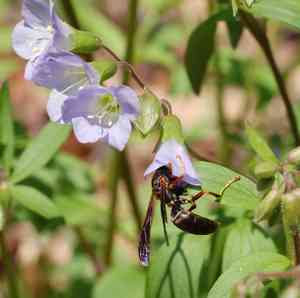
The ideal period for relocating jacob's ladder is in the milder seasons, spanning from the beginning of summer to the end of autumn. Select a spot with partial shade and soil that drains effectively to ensure a successful transplant. Carefully loosen the root mass to encourage the best development. Enjoy your gardening!
What Preparations are Needed Before Transplanting Jacob's Ladder?
What is the Ideal Time for Transplanting Jacob's Ladder?
The optimal period to relocate jacob's ladder spans from the warmer days of early summer through the vibrant autumn. This timeframe ensures robust development as the soil temperature is conducive for rapid root establishment. Moving jacob's ladder during this window maximizes its potential to flourish, quickly transforming your garden into a visual delight! These minor steps are vital and significantly impact your jacob's ladder. We share your desire for your plants' optimal health.
How Much Space Should You Leave Between Jacob's Ladder Plants?
When transplanting jacob's ladder, it's recommended to position each plant 8-12 inches (20-30 cm) apart. This spacing provides ample room for growth and promotes the formation of healthy, dense groupings.
What is the Best Soil Mix for Jacob's Ladder Transplanting?
For jacob's ladder, utilize a well-draining soil blend rich in organic matter, such as compost or aged manure, prior to planting, with a neutral pH. A slow-release granular fertilizer will also yield excellent results!
Where Should You Relocate Your Jacob's Ladder?
Select a location with partial to full sun exposure for your jacob's ladder. They thrive in the filtered, sun-dappled shade provided by larger plants or with at least 4 hours of direct sunlight daily. Enjoy your planting!
What Equipments Should You Prepare Before Transplantation Jacob's Ladder?
Gardening Gloves
To safeguard your hands while handling soil and plants.
Shovel or Spade
To aid in digging holes and extracting the jacob's ladder plant from its initial spot.
Garden Trowel
To assist in excavating smaller holes and managing the root ball during relocation.
Watering Can or Hose
To maintain consistent moisture in the soil around the jacob's ladder after it's been moved.
Mulch
To help retain moisture and regulate temperature around the newly planted area.
How Do You Remove Jacob's Ladder from the Soil?
How Do You Remove Jacob's Ladder from the Soil?
From Ground: First, hydrate the jacob's ladder plant to moisten the soil. Next, excavate a wide trench around the plant using a shovel or spade, ensuring the plant's root ball remains intact. Carefully work the spade beneath the root ball to lift the plant from its original position.From Pot: Water the jacob's ladder plant to moisten the soil. Gently grasp the plant's base and invert the pot while supporting the plant. Lightly tap the pot's bottom to release the soil and root ball. If necessary, use a garden trowel to carefully extract the plant from the pot.From Seedling Tray: Water the seedlings to dampen the soil. Use a garden trowel or a small spoon to carefully scoop out individual jacob's ladder seedlings with their root ball intact. Handle the seedlings by their leaves, not the delicate stem, to prevent damage.
Step-by-Step Guide for Transplanting Jacob's Ladder
Site Preparation
Cultivate the soil where the jacob's ladder plant will be moved, breaking up large clods and removing rocks or debris. Confirm the location meets the plant's light and space requirements.
Digging the Hole
Using a shovel or spade, excavate a hole that is twice as wide and no deeper than the jacob's ladder plant's root ball.
Preparing the Plant
Gently untangle the roots of the jacob's ladder plant to encourage them to spread into the new soil.
Placing the Plant
Position the jacob's ladder plant in the hole, ensuring its roots are spread out and the plant sits at the same soil level as it did in its previous spot. Avoid burying the plant's crown, as this can lead to rot.
Backfilling the Hole
Refill the hole with soil, gently firming it around the plant's base to eliminate air pockets and provide stability.
Watering
Thoroughly water the jacob's ladder plant, ensuring the soil around the root ball is moist but not saturated.
Mulching
Apply a layer of mulch around the plant's base, leaving a small gap around the stem to help retain moisture and regulate soil temperature.
How Do You Care For Jacob's Ladder After Transplanting?
Watering
Maintain consistent moisture in the soil around the jacob's ladder, avoiding sogginess, for the initial weeks post-transplant to aid in strong root development.
Weeding
Remove any competing weeds around the jacob's ladder plant as they emerge to prevent nutrient and water depletion.
Inspecting for Pests and Diseases
Regularly examine the jacob's ladder plant for indications of pests or diseases, and treat as necessary to maintain plant health.
Pruning
Trim jacob's ladder plants as required to maintain their form and promote vigorous growth.
Fertilizing
Apply a balanced, slow-release fertilizer according to package directions during the growing season to support plant development and blooming.
Troubleshooting Common Issues with Jacob's Ladder Transplantation.
When is a good time to transplant jacob's ladder?
The optimal period for relocating jacob's ladder is from early summer to late autumn. This ensures healthy growth and establishment.
How much space should I leave when transplanting jacob's ladder?
When moving jacob's ladder, it's advisable to allow approximately 8-12 inches (20-30 cm) of space. This provides ample room for the plant to grow and spread.
What is the best soil type for transplanting jacob's ladder?
Jacob's ladder prefers soil that drains well. It can tolerate clay, sandy, and loamy soils; however, incorporating compost before transplanting can boost soil fertility.
How often should I water jacob's ladder after transplantation?
Water jacob's ladder immediately after planting, then maintain a consistent watering schedule. Be sure to keep the soil moist but never waterlogged.
What kind of lighting does jacob's ladder need after transplanting?
Jacob's ladder thrives in both full sun and partial shade. It requires a minimum of six hours of sunlight daily following transplantation.
How do I deal with transplant shock in jacob's ladder?
To minimize transplant shock, keep jacob's ladder well-hydrated and away from direct, intense sunlight for about a week. You can also shield it from strong winds.
How do I prepare jacob's ladder for transplanting?
Gently remove jacob's ladder from its current spot, preserving as much of the root system as possible. Water thoroughly before moving to reduce plant stress.
Is it necessary to trim jacob's ladder before transplanting?
Trimming isn't mandatory, but removing old or damaged leaves will help jacob's ladder direct its energy towards root development and new growth after being transplanted.
What to do if jacob's ladder wilts after transplanting?
Wilting can occur due to transplant shock. Keep the plant well-watered, mulch around its base to retain moisture, and protect it from strong winds and direct, hot sunlight.
What depth should I plant jacob's ladder when transplanting?
When transplanting, the hole should be deep enough to accommodate the jacob's ladder's root ball. A depth roughly equal to the root ball's height is typically ideal.



