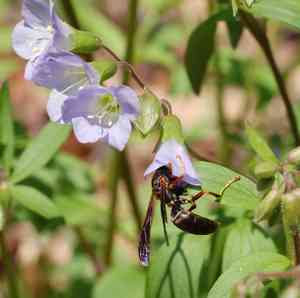
Jacob's ladder (Polemonium reptans)
Also known as: Greek valerian, American abscess root, False jacob's ladder, Stairway to heaven
The plant you're referring to is Jacob's Ladder (Polemonium reptans). It gets its name from the unique ladder-like arrangement of its leaves. This perennial is known for its charming deep blue flowers that bloom in the summer. Ideal for rain gardens, Jacob's Ladder thrives in partially shaded, wooded areas with rich, well-draining soil.
In This Article
Attributes of Jacob's ladder
Lifespan
Perennial
Plant Type
Herb
Plant Height
50 cm
Spread
30 cm to 45 cm
Leaf Color
Green
Flower Size
2.5 cm
Flower Color
Blue
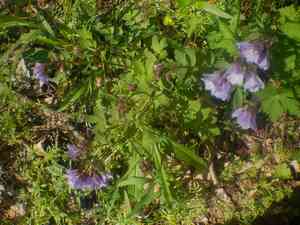
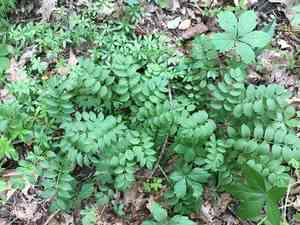
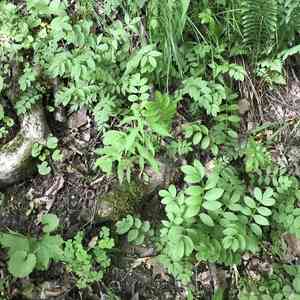
Images of Jacob's ladder

Quickly Identify Jacob's ladder
1
Pinnately compound leaves resembling a ladder structure with 7-17 oblong leaflets.
2
Delicate blue to violet flowers in loose clusters, 0.5 inches (1.3 cm) in diameter.
3
Light green stems with a subtle red tint, thin and sprawling, around 0.1 inches (2-3 mm) in diameter.
4
Prefers cooler climates, sensitive to high heat and humidity, thriving in shade to part-shade environments.
5
Clump-forming plant reaching up to 18 inches (45 cm) tall, propagating by seed and rhizomatous growth.
Scientific Classification of Jacob's ladder
Phylum
Vascular plants
Class
Dicotyledons
Order
Ericales
Family
Phlox
Genus
Jacob's ladders
Species
Jacob's ladder
Planting and Growing of Jacob's ladder
Care Difficulty
Easy
Watering Schedule
Every 6 days
Sunlight Requirements
Partial sun
Sunshine Duration
6-10 hours
Ideal Temperature
60-75℉
Soil Type
Potting Mix, Peat Mix
Soil pH
6.5-7.5
Fertilizer Type
Balanced
Pruning Season
Spring, Summer
Pruning Area
Branches, Leaves
Pruning Frequency
2 times a year
Repotting Season
Spring
Pot Type
Ceramic, Plastic
 How to Water Jacob's ladder?
When watering Polemonium reptans, aim to provide 250 milliliters per session. It is important to ensure the soil is moist but not waterlogged. Water thoroughly until you notice a slight drainage from the bottom of the pot. This indicates the roots are well-hydrated.
What are the symptoms of an underwatered Jacob's ladder?
›
What should I do if my Jacob's ladder is not getting enough water?
›
What are the symptoms of an overwatered Jacob's ladder?
›
How to save an overwatered Jacob's ladder?
›
 What Are the Sunlight Requirements for Jacob's ladder?
Polemonium reptans prefers partial sun to full shade, ideally thriving under filtered sunlight. The plant benefits from this range as it simulates the natural dappled light of woodland undergrowth, promoting healthy growth and vibrant appearances.
More About Sunlight Requirements Techniques→
How much sunlight does Polemonium reptans prefer daily?
›
What solutions exist to provide ideal lighting for Polemonium reptans?
›
How does ideal lighting affect the health of Polemonium reptans?
›
 What Is the Ideal Temperature Range for Jacob's ladder?
The ideal temperature range for Polemonium reptans is between 60°F to 75°F. This temperature range ensures optimal growth and blooming conditions for the plant. In this range, the plant can maintain its metabolic balance, facilitating nutrient uptake and promoting healthy flowering.
 What Soil is Best for Jacob's ladder?
Polemonium reptans thrives in well-drained soils, which prevent water from pooling around the roots. This is crucial because excessive moisture can lead to root rot, providing a healthy environment for the plant's growth. This plant benefits from nutrient-rich soil that provides essential nutrients for optimal growth and flowering. A fertile soil composition aids in ensuring robust foliage and vibrant blooms. While the soil must drain well, it should also retain an adequate amount of moisture. This balance helps support steady growth, especially during dry spells, ensuring the plant stays hydrated and healthy.
 How to Fertilize Jacob's ladder?
For Polemonium reptans, use a balanced fertilizer at half strength for liquid applications. This ensures you provide necessary nutrients without overwhelming the plant's root system. For slow-release fertilizers, a small teaspoon scattered at the base during early spring is suitable. Always ensure the soil is moist before fertilizing.
 How to Prune Jacob's ladder?
Before pruning, check the overall health of your Polemonium reptans. Look for dead, diseased, or damaged stems. These should be targets for removal as they can harbor pests and spread disease. Focus on thinning out overcrowded areas in the plant to improve air circulation. Better airflow prevents mildew and other fungal diseases that can thrive in damp, dense foliage. Using your sharp tools, trim back the selected stems. Cut at a 45-degree angle about a quarter of an inch above a leaf node or bud, which encourages new growth and helps maintain the plant's shape.
More About Pruning Techniques→
 How to Propagate Jacob's ladder plant?
1
Ensure the soil is well-draining and rich in organic matter for seed germination. Amending with compost can improve the nutrient profile, promoting healthy seedling growth.
2
Scatter seeds lightly over the surface of the prepared soil. Cover them with a thin layer of soil or vermiculite to maintain moisture and protect them from birds and wind.
3
Gently dig up the entire plant during early spring. Use a sharp knife to separate the roots into smaller sections, ensuring each has buds or shoots before replanting.
 How to Repot Jacob's ladder plant?
1
Look for signs like roots growing out of the drainage holes or soil that dries out too quickly. Polemonium reptans typically needs repotting in spring or summer when actively growing.
2
Select a pot that is slightly larger than the existing one, with good drainage holes. The increased space helps roots expand, promoting healthier growth, while drainage prevents root rot.
3
Opt for a well-draining potting mix rich in organic matter. This ensures nutrients are readily available and prevents waterlogging, giving the plant the optimal environment to thrive.
Learn More About Jacob's ladder Diseases
Anthracnose
Bacterial Leaf Spot
Bacterial Soft Rot
Bacterial Wilt
Black Spot
Chemical Injury
Crown Gall
Cyst Nematode
Damping-off
Downy Mildew
Drought Stress
Fusarium Wilt
Gray Mold
Leaf Curl
Leaf Spot
Mosaic
Nutrient Deficiency
Nutrient Toxicity
Powdery Mildew
Root Rot
Root-knot Nematode
Rusts
Sooty Mold
Spider Mites
Temperature Stress
Thrips Damage
White Mold



