The Jacob's ladder Plant Advantage: Maximizing Home and Office Appeal and Wellness
1
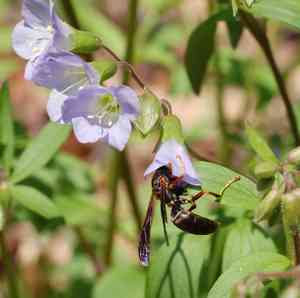
Jacob's ladder draws in helpful pollinators, enhancing your garden's natural balance.
2
Its dense leaves make Jacob's ladder a superb choice for covering ground.
3
Jacob's ladder flourishes in low-light spots, bringing charm to your garden's dimmer sections.
Why Cultivate Jacob's Ladder?
Draws Beneficial Pollinators
A key advantage of Jacob's ladder is its capacity to attract various helpful pollinators, such as bees and butterflies. Its vibrant blooms offer a food source, fostering a flourishing garden ecosystem. This not only enhances plant health but also contributes to biodiversity.
Excellent Ground Cover
Jacob's ladder is known for its thick, abundant foliage, making it an ideal choice for covering the ground. Its ability to spread and blanket the soil helps prevent erosion, retain moisture, and suppress weed growth. This simplifies garden upkeep and improves its visual appeal.
Thrives in Shaded Areas
Gardening in low-light spots can often be difficult, but Jacob's ladder excels. This plant flourishes in dim conditions, offering gardeners a dependable option for beautifying less sunny locations. Its adaptable nature ensures your garden remains colorful and vibrant, even in the shade.
How to Maintain Jacob's Ladder in Your Garden
Soil and Water Needs
Jacob's ladder prefers well-drained, fertile soil to flourish. Ensure the planting site has good drainage to prevent waterlogging. This plant also favors consistent moisture, so regular irrigation is crucial. However, avoid excessive watering, as this can lead to root decay.
Optimal Planting Conditions
Placing Jacob's ladder in the correct environment is vital for its growth and longevity. This plant prefers partial to full shade, making it perfect for woodland gardens or shaded borders. It can adapt to various soil types, but enriching the soil with organic matter will yield better results.
Pruning and Upkeep Advice
Maintaining Jacob's ladder is relatively simple. Regularly remove dead or damaged leaves to encourage new growth and preserve the plant's overall health. In late winter or early spring, cut back the foliage to ground level to allow fresh shoots to emerge and thrive. This keeps the plant tidy and promotes vigorous growth.
Enhancing Your Garden with Jacob's Ladder
Companion Planting Ideas
Pairing Jacob's ladder with other shade-loving plants can create a stunning garden display. Consider combining it with ferns, hostas, or astilbes for a diverse and lush garden bed. The contrasting textures and colors will add depth and interest, making it a visual delight.
Design Tips for Garden Beds
When incorporating Jacob's ladder into your garden design, consider its growth habit and preferred conditions. Plant it in clusters or drifts for a natural look, and mix it with taller perennials to create layers of varying heights. This approach adds dimension and makes your garden more dynamic and appealing.
The Environmental Benefits of Growing Jacob's Ladder
Supports Local Wildlife
By cultivating Jacob's ladder, you contribute to the well-being of local wildlife. Its flowers provide nectar for pollinators, while its foliage offers shelter for small insects and animals. This creates a mini-ecosystem in your garden, fostering a healthy and vibrant outdoor space.
Reduces Soil Erosion
The dense foliage of Jacob's ladder plays a significant role in minimizing soil erosion. By covering the ground, it helps stabilize the soil and prevent it from being washed away during heavy rains. This is particularly beneficial in sloped areas where erosion can be a common issue.
Improves Soil Quality
Jacob's ladder positively impacts soil quality over time. Its roots help aerate the soil, improving its structure and allowing for better water absorption. Additionally, as the plant decomposes, it adds organic matter to the soil, enriching it and promoting the growth of other plants.



