How to Propagate Jacob's ladder?
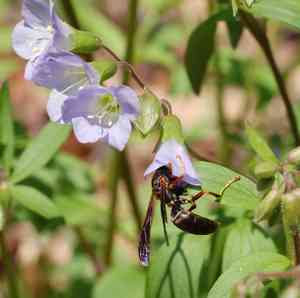
The most suitable period for propagating Jacob's ladder is springtime, with seeding being the favored technique. This propagation process is quite straightforward, indicated by the emergence of fresh shoots and nascent foliage. For best outcomes, guarantee the use of a growing medium that drains effectively.
When Is the Optimal Time to Propagate Jacob's Ladder?
Propagation Method
Seeding
Propagation Period
Spring
What Equipment Is Utilized for Jacob's Ladder Propagation?
Seed trays or flats
These containers offer a controlled setting for planting seeds. They facilitate uniform moisture distribution and, when paired with a clear cover or plastic film, establish a greenhouse effect to sustain humidity \u2014 vital for jacob's ladder's germination.
Sterilized potting mix
A clean, well-draining soil blend minimizes the risk of soil-borne diseases impacting jacob's ladder seeds. It also promotes robust root growth after germination.
Misting bottle
This tool provides a gentle method to water the soil without disturbing jacob's ladder's tiny seeds. Sufficient moisture is essential for seed germination, and a misting bottle aids in regulating water application.
Heating mat (optional)
When sowing in cooler climates, a heating mat can supply jacob's ladder seeds with the consistent warmth they prefer for ideal germination.
Labels and markers
These assist in identifying the seed trays containing jacob's ladder and tracking planting dates. Accurate records are crucial for monitoring germination progress and timing transplanting correctly.
How to Propagate Jacob's Ladder?
Propagation Type
Sowing
Difficulty Level
Easy
How to Nurture Your Newly Propagated Jacob's Ladder?
How to Nurture Your Newly Propagated Jacob's Ladder?
Provide jacob's ladder with partial shade to full sun in a location with consistently moist, well-draining soil. Water regularly to keep the soil slightly damp, but avoid overwatering. Apply mulch around the base to retain moisture and stabilize soil temperature. Fertilize with a balanced, slow-release product in the spring. Remove spent flowers to encourage more blooms and prevent self-seeding if not desired. Inspect for pests and diseases and treat as needed.
Common Errors to Avoid When Propagating Jacob's Ladder
Overwatering cuttings
Excessive moisture can lead to rot in jacob's ladder's root cuttings. This is problematic as it may cause a fungal infection, eventually killing the cutting before it has a chance to root properly.
Planting seeds too deep
Jacob's ladder's seeds require light to germinate, so burying them too deeply in the soil can prevent them from sprouting. This can result in a failed propagation attempt because the seeds don't receive the necessary light cues to initiate growth.
Neglecting soil quality
Jacob's ladder thrives in fertile, well-drained soil. Planting cuttings or seeds in poor soil can impede their growth and development, reducing the success rate of propagation.
Ignoring humidity needs
Jacob's ladder cuttings need a humid environment to form roots effectively. A lack of humidity can cause the cuttings to dry out, preventing successful root development.
Tips For Propagating Jacob's Ladder
Rooting hormone use
Applying a rooting hormone to the cut end of jacob's ladder cuttings can significantly increase the chances of successful rooting. This hormone stimulates root growth and can lead to a stronger, more viable plant.
Soil surface sowing
For seed propagation, scattering jacob's ladder's seeds on the surface of the soil and lightly pressing them in ensures they receive enough light to germinate while still maintaining contact with the soil for moisture and nutrients.
Soil composition
Ensuring that the soil is rich in organic matter and has good drainage will create an optimal environment for jacob's ladder cuttings and seeds to take root and flourish.
Humidity dome
Using a humidity dome or plastic cover over jacob's ladder cuttings can help maintain the necessary humidity levels to encourage rooting without saturating the soil, which aligns with jacob's ladder's moisture requirements.



